Is Hamas Infiltrating Bangladesh and Pakistan to Expand Terror Networks?
Synopsis
Israel's Ambassador to India, Reuven Azar, raises alarm over Hamas' increasing ties with Islamist groups in Bangladesh and Pakistan, warning of threats to regional stability and security. As the group seeks to expand its influence and operational capacity, the implications for South Asia could be severe.
Key Takeaways
Hamas is expanding its influence in South Asia through ties with local Islamist groups.
Ambassador Reuven Azar issued warnings about the implications of this infiltration.
Connections with groups like Lashkar-e-Taiba raise security alarms.
The situation emphasizes the need for cooperative counter-terrorism efforts.
Transnational networks pose real challenges to regional stability.
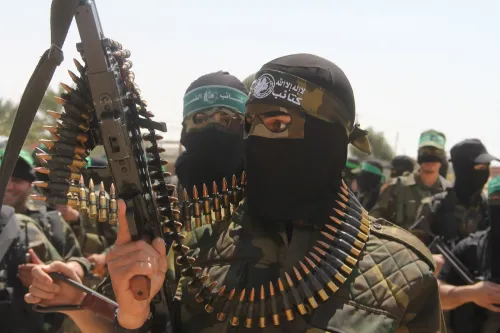
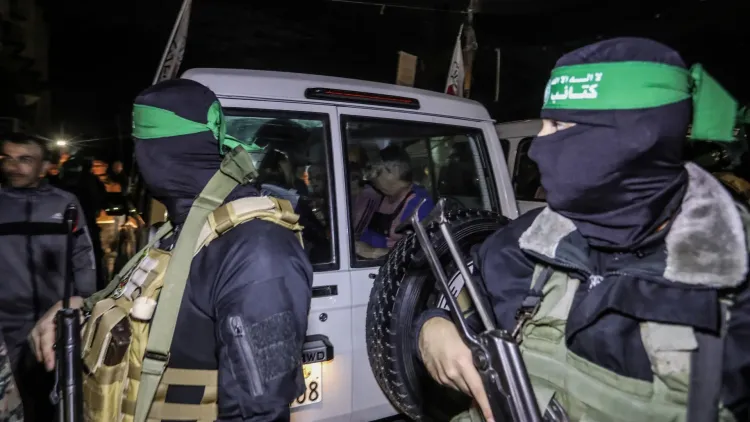
Dhaka, Feb 7 (NationPress) The Israeli Ambassador to India, Reuven Azar, has expressed significant alarm regarding the increasing presence of Hamas in South Asia, particularly through collaborations with local Islamist factions in Bangladesh and Pakistan. This activity forms a key component of the terrorist organization's extensive plan to broaden its influence both regionally and globally.
“By fostering connections and expanding operations beyond the confines of Gaza, particularly through prominent Hamas figures like Sheikh Khaled Quddumi and Khaled Mashal, Hamas seeks to ensure a steady stream of funding, ideological backing, and logistical support,” Azar revealed in an interview with Bangladesh’s weekly Blitz media outlet.
“This expansion enables the group to forge alliances with local Islamist factions, thereby enhancing its influence and operational capacity throughout South Asia,” he noted.
Azar also highlighted that Pakistan's ties with this militant organization, rooted in a broader strategy involving jihadist proxies, present a direct threat to the nation itself.
“The ongoing support for extremist organizations such as Hamas and Palestinian Islamic Jihad brings considerable long-term dangers to any nation. Historical evidence indicates that networks established abroad can eventually turn against domestic populations, fostering radicalization, undermining state institutions, and leading to internal security threats,” he articulated.
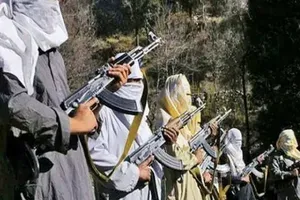
A recent report from a senior investigative journalist in Bangladesh noted the arrival of four Lashkar-e-Taiba operatives from Karachi to Dhaka on Biman flight BG-342.
The claim, made by Sahidul Hasan Khokon, suggested that this incident reveals the perilous facilitation of terrorist infiltration into Bangladesh by the interim regime led by Mohammad Yunus, which is accused of having a pro-Islamist and pro-Pakistan stance, as reported by local media.
This development coincides with the resumption of direct flights between Bangladesh and Pakistan, raising serious security alarms. Critics point to lax border controls and state complacency towards militants, posing potential risks to India's eastern frontiers.
In a previous article from July last year, Salah Uddin Shoaib Choudhury, the editor of Blitz, noted that on September 7, 2024, a local Islamist group in Bangladesh reportedly hosted senior figures from Hamas, including Sheikh Khaled Quddumi and Khaled Mashal.
Ambassador Reuven Azar elaborated on the implications of such terrorist leaders operating in nations like Bangladesh and Pakistan, referencing the horrific attack carried out by Hamas on October 7, 2023, which resulted in over 1,200 casualties in Israel. He linked this to the Pahalgam terror incident in terms of style and execution.
“Alarmingly, radical Islamists see the October 7 terrorist attack executed by Hamas as a template. They aspire to replicate these tactics and spread them globally. The events we witnessed in 2023 are being mirrored in Pahalgam and can proliferate elsewhere. This is why Hamas leaders are being invited and, shockingly, celebrated. The global community must unite to isolate those who support or finance terrorism,” he stated.
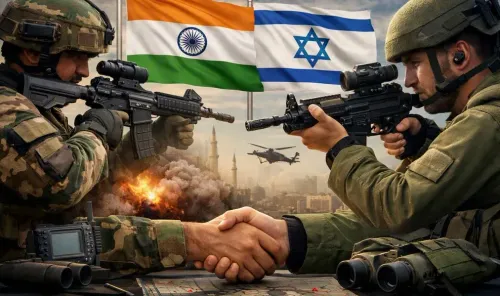
Ambassador Azar also emphasized the significance of Israel's expanding strategic collaboration with India, stating, “Both nations confront intricate security challenges requiring proactive measures.” Their partnership encompasses areas like counterterrorism, intelligence sharing, and defense technology.
“Our alliance has matured into a strong framework that includes formal defense pacts, collaborative discussions on mutual challenges, and joint efforts in advanced technology, reflecting profound trust and practical benefits for both parties,” he said.
“This collaboration fortifies our capabilities to identify and thwart threats, enhances our defense sectors through co-development and co-production of essential systems, and builds resilience against emerging security challenges,” the Ambassador noted.
“As allies, India and Israel are better equipped to safeguard their citizens and contribute to a more stable region through ongoing engagement and shared expertise,” he added.
He further emphasized that the threat posed by transnational networks associated with the Muslim Brotherhood or its ideological offshoots, such as Jamaat-e-Islami, is real and must not be overlooked.
According to him, these organizations frequently operate across borders, influencing communities, financing extremist actions, or offering ideological support to militant entities.
Point of View
It is crucial to acknowledge the complexity of geopolitical tensions in South Asia. The allegations surrounding Hamas' activities in Bangladesh and Pakistan highlight the necessity for vigilance and strategic responses to counter terrorism. A unified approach among nations is essential to ensure regional stability.
NationPress
13 Oct 2026
Frequently Asked Questions
What is the current situation regarding Hamas in South Asia?
Hamas is reportedly increasing its engagement in South Asia, specifically through collaborations with local Islamist groups in Bangladesh and Pakistan.
What are the implications of Hamas' expansion into these regions?
The expansion poses significant risks to regional stability, as it may lead to enhanced influence and operational capacity for Hamas and its affiliates.
How has the Israeli government responded to these developments?
Israeli officials, including Ambassador Reuven Azar, have raised serious concerns and called for international unity against the support of terrorist organizations.
What actions can be taken to mitigate these threats?
Increased vigilance, cooperation among nations, and strategic counter-terrorism measures are crucial to address the rising influence of extremist groups.
Why is this situation significant for India?
The potential infiltration of terrorist networks into neighboring regions poses a direct threat to India's national security and regional peace.