HRCP warns Punjab theatre bill 2026 threatens artistic freedom
Synopsis
Pakistan’s HRCP says the Punjab Dramatic and Theatrical Performances Bill 2026 is more repressive than the 1876 law it would replace. Artists cite vague bans on vulgarity and disaffection, plus compulsory registration and script vetting. They want the Punjab governor to refuse assent.
Key Takeaways
The Human Rights Commission of Pakistan (HRCP) on 25 November opposed the Punjab Dramatic and Theatrical Performances Bill 2026 .
A roundtable called the bill an attempt to put artistic expression under executive control and create censorship and self-censorship.
Playwright Shahid Nadeem said the bill is even more repressive than the Dramatic Performances Act 1876 it seeks to replace.
Concerns include vague terms such as vulgarity, obscenity and disaffection, plus artist registration, venue licensing and script scrutiny.
Filmmaker Kanwal Khoosat said compulsory registration would constrain gender and political expression; Harris Khalique called for repeal.
Participants urged the Punjab governor to withhold assent and return the bill to the Punjab Assembly .
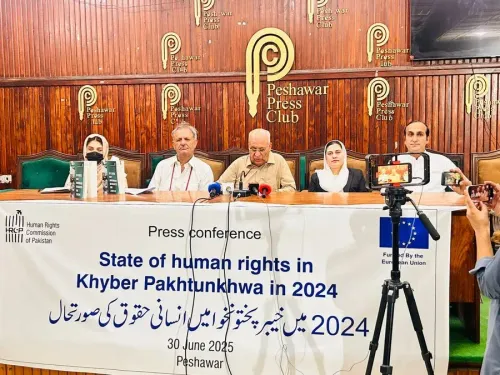
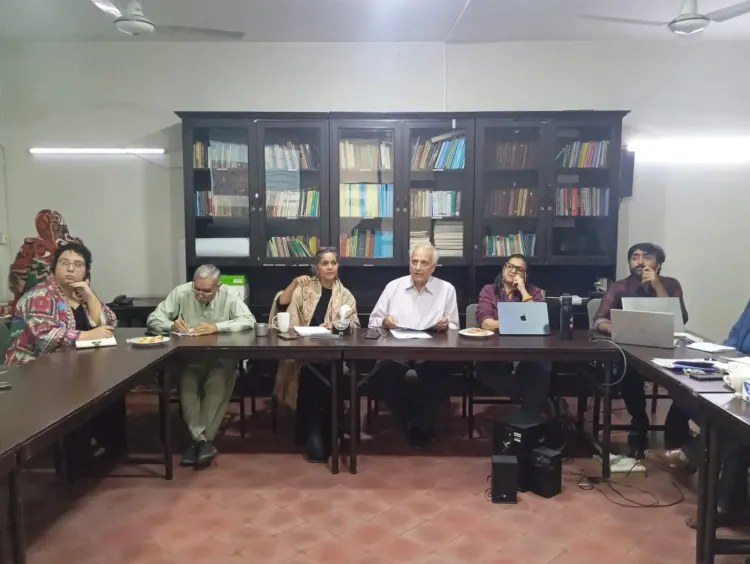
The Human Rights Commission of Pakistan (HRCP) on 25 November strongly opposed the Punjab Dramatic and Theatrical Performances Bill 2026, warning that it posed a serious threat to artistic freedom and the right to freedom of expression by bringing creative expression under government control. The warning followed a roundtable at which artists and rights advocates said the Punjab law would place theatre under executive oversight and encourage both censorship and self-censorship.
What the roundtable said
Addressing a roundtable convened by HRCP, the participants described the bill as “an unacceptable attempt to subject artistic expression to executive control and create a climate of censorship and self-censorship”. Emphasising that artistic freedom includes the right to question authority and challenge prevailing social attitudes by engaging in satire and dissent, they strongly urged the governor of Punjab to withhold assent to the bill and return it to the Punjab Assembly for further deliberation.
The participants also emphasised the need for solidarity across artistic and labour movements across Pakistan. The demand, as recorded at the meeting, was not only to pause the bill but to reopen it in the legislature before any assent is granted.
Comparison with the 1876 Performances Act
Pakistani playwright Shahid Nadeem warned that the bill was even more repressive than the Dramatic Performances Act 1876, which it seeks to replace. He raised concerns over the vague terms such as “vulgarity, obscenity and disaffection”, as well as the provisions mandating artist registration, venue licensing and pre-performance scrutiny of scripts.
Nadeem noted that the bill had not even been circulated among stakeholders before its passage, with members of the artistic community learning of it through media reports. According to that account, a statute meant to govern performers moved ahead without consulting the community it would bind — a gap the roundtable tied to its call for the Punjab Assembly to deliberate again.
Artists on registration and language
Pakistani filmmaker Kanwal Khoosat warned that “compulsory registration of artists would constrain gender and political expression”. HRCP secretary-general Harris Khalique stressed that artistic expression should not be subjected to a “regime of registration and licensing”, while calling for the bill’s repeal.
Malik Aslam, a veteran theatre practitioner, questioned how interactive theatre could be subjected to censorship, while classical dancer Maan Saeed drew attention to the unequal interpretation of language and expression across Punjabi and Urdu, and the question of who would determine who qualifies as an artist, the HRCP highlighted. Those interventions, as recorded by the commission, focused on how the rules would work in practice: who is licensed, who judges language in Punjabi and Urdu, and how live, interactive work could be pre-vetted.
HRCP’s wider warning on rights
Last week, the HRCP raised concerns over the escalating assault on constitutional democracy and fundamental rights across Pakistan, warning that freedom of expression is being steadily eroded through censorship, surveillance, restrictive regulations and the misuse of criminal laws. The concerns were raised by the HRCP’s general body at the conclusion of its 40th annual general meeting.
This comes amid that broader alert from the commission. Notably, opposition to the Punjab theatre bill is being framed in the same terms — restrictive regulation of expression — rather than as a narrow dispute over staging rules. The roundtable’s immediate demand is that the Punjab governor withhold assent, that the Assembly reopen deliberation, and that the registration-and-licensing approach be dropped, as Khalique urged.
Point of View
Not thickened them. If Shahid Nadeem is right that Punjab’s 2026 text is more repressive — registration, licensing, script vetting and vague offences such as disaffection — then reform is being used as a cover for prior restraint. HRCP’s own 40th annual general meeting had just warned that expression in Pakistan is being worn down by regulation and criminal law; this bill is that warning in legislative form. The test is whether the Punjab governor treats assent as a rubber stamp or as the constitutional pause artists have asked for.
NationPress
25 Nov 2026
Frequently Asked Questions
What is the Punjab Dramatic and Theatrical Performances Bill 2026?
It is a proposed Punjab law that would regulate theatrical performances through measures including artist registration, venue licensing and pre-performance scrutiny of scripts. The Human Rights Commission of Pakistan has opposed it as a threat to artistic freedom and freedom of expression.
Why has HRCP opposed the Punjab theatre bill?
HRCP has opposed the bill because it says the law would bring creative expression under government control and create a climate of censorship and self-censorship. A roundtable convened by the commission urged that the Punjab governor withhold assent.
What did playwright Shahid Nadeem say about the bill?
Shahid Nadeem warned that the bill was even more repressive than the Dramatic Performances Act 1876, which it seeks to replace. He criticised vague terms such as vulgarity, obscenity and disaffection, and said the bill was not circulated among stakeholders before passage.
What has HRCP asked the Punjab governor to do?
Participants at the HRCP roundtable urged the governor of Punjab to withhold assent to the bill and return it to the Punjab Assembly for further deliberation. HRCP secretary-general Harris Khalique also called for the bill’s repeal.
How does this relate to HRCP’s recent warning on rights?
Last week, HRCP’s general body, at the end of its 40th annual general meeting, warned of an escalating assault on constitutional democracy and fundamental rights in Pakistan. It said freedom of expression is being eroded through censorship, surveillance, restrictive regulations and the misuse of criminal laws.