HRCP sounds alarm on Pakistan's democratic erosion, rights crackdown in 2026
Synopsis
Pakistan's premier rights watchdog has delivered its most sweeping indictment yet of the country's democratic decline — covering everything from 10-year sentences for human rights lawyers and military trials of civilians, to PTI mass arrests and enforced disappearances. The HRCP's 40th annual meeting findings lay bare a systemic pattern of repression that now spans the judiciary, the provinces, religious minorities, and the economy.
Key Takeaways
The Human Rights Commission of Pakistan (HRCP) issued a comprehensive alarm at its 40th annual general meeting on 16 November 2026 in Islamabad .
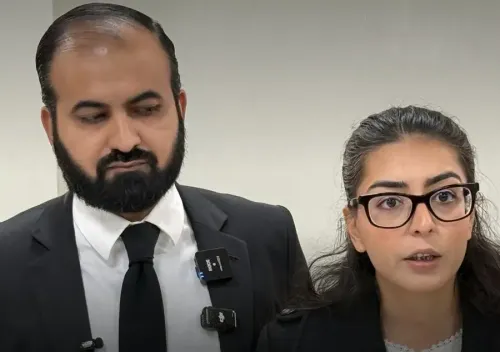
Human rights lawyers Imaan Mazari-Hazir and Hadi Chattha were sentenced to 10 years in prison by a Pakistani court, which the HRCP called a 'chilling' targeting of constitutional rights.
The 26th and 27th Constitutional Amendments have, according to HRCP, seriously undermined judicial independence and institutional checks and balances.
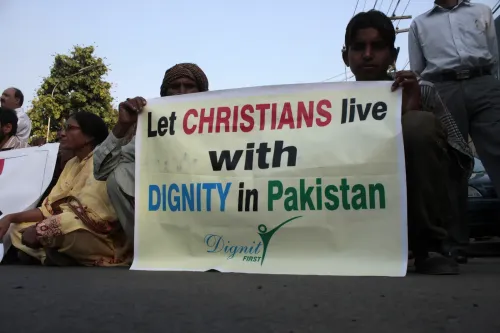
The HRCP documented persistent violence against religious minorities, including attacks on Ahmadiyya places of worship and an assault on a Christian doctor in Sheikhupura, Punjab .
Activists Mahrang Baloch , Ali Wazir , and Idris Khattak remain in detention; the commission demanded their production before competent courts.
PTI workers were mass-arrested in Khyber Pakhtunkhwa in October 2026 ; the province's elected Chief Minister was also detained, with governor's rule imposed.
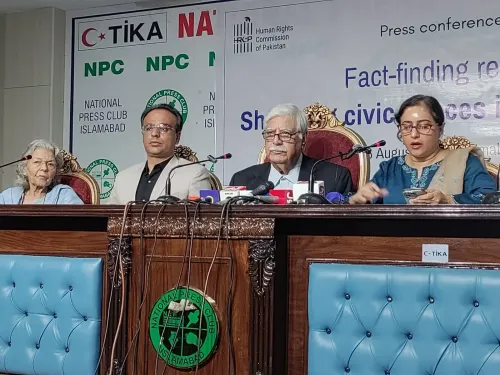
The Human Rights Commission of Pakistan (HRCP) has sounded a sharp alarm over the accelerating assault on constitutional democracy and fundamental freedoms across Pakistan, warning that freedom of expression is being systematically dismantled through censorship, surveillance, restrictive regulations, and the deliberate misuse of criminal laws. The warning was issued on 16 November 2026 at the conclusion of the HRCP's 40th annual general meeting in Islamabad.
Judiciary Under Siege
The HRCP described the 10-year prison sentences handed to human rights lawyers Imaan Mazari-Hazir and Hadi Chattha by a Pakistani court as a 'chilling example' of how individuals exercising their constitutional rights are being targeted. The commission further warned that Pakistan's 26th and 27th Constitutional Amendments have seriously undermined judicial independence and institutional checks and balances.
The body called for a review of both amendments, the withdrawal of lifetime immunity for public officeholders, and an immediate end to military trials of civilians. It stressed that 'any further constitutional amendments must be grounded in genuine, cross-party political consensus' — a standard it argued had been conspicuously absent in recent legislative moves.
Religious Minorities and Blasphemy Persecution
The HRCP highlighted what it described as persistent and unchecked violence, discrimination, and blasphemy-related persecution faced by religious minorities across the country. It cited specific incidents including attacks on Ahmadiyya places of worship, mob violence, and an assault on a Christian doctor in the Sheikhupura region of Punjab province, as examples of entrenched impunity.
The commission urged Pakistani authorities to constitute the National Commission for Minorities without further delay and to prosecute those inciting violence and orchestrating forced conversions.
Enforced Disappearances and Political Detentions
Describing enforced disappearances as a grave violation of the right to liberty and due process, the HRCP flagged the continued detention of activists including Mahrang Baloch, Ali Wazir, and Idris Khattak as evidence of the authorities' failure to protect those demanding accountability. It called for all detainees to be produced before competent courts, and demanded the repeal of arbitrary detention powers under Pakistan's Anti-Terrorism Act and the abolition of internment centres.
The commission also demanded the withdrawal of the proscription of the Joint Awami Action Committee in Pakistan-occupied Kashmir (PoK).
Federalism Eroding in Khyber Pakhtunkhwa and Balochistan
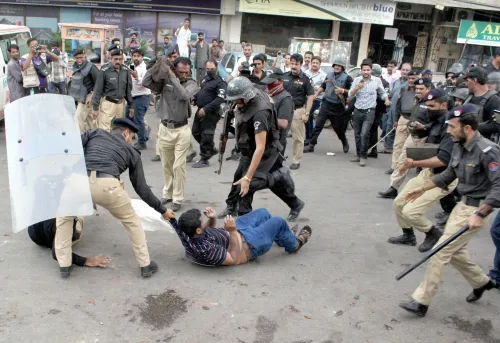
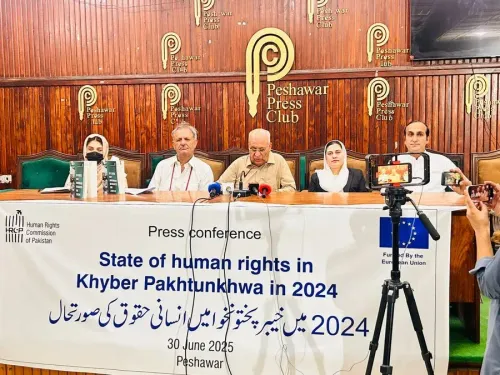
The HRCP raised particular alarm over what it described as the erosion of federalism and democratic representation in Khyber Pakhtunkhwa, citing the imposition of an emergency and governor's rule, the detention of the province's elected Chief Minister, and the mass arrests of former Prime Minister Imran Khan's Pakistan Tehreek-e-Insaf (PTI) party workers in October 2026.
On Balochistan, the rights body called for an open national debate on the worsening security situation and demanded the restoration of cross-border trade to protect local livelihoods.
Economic Injustice and Marginalised Communities
The HRCP also documented deepening economic disparities, warning that austerity measures and inadequate social protection are imposing a disproportionate burden on low-income households. It urged the Pakistani state to fulfil its responsibility toward women, transgender persons, and other marginalised communities, noting that 'their rights cannot remain merely promises on paper.'
The commission's findings, released at the close of its landmark 40th annual meeting, represent the most comprehensive indictment of Pakistan's rights record in recent memory — and a direct challenge to both civilian and military authorities.
Point of View
The legislature through constitutional amendments, law enforcement via the Anti-Terrorism Act, and the administrative machinery in Khyber Pakhtunkhwa. The sentencing of practising human rights lawyers to decade-long terms is a marker that the space for legal dissent itself is being closed. For India and the broader region, a Pakistan where civilian institutions are hollowed out and federalism is under strain is not a stable neighbour — and that dimension is largely absent from mainstream coverage of these developments.
NationPress
16 Nov 2026
Frequently Asked Questions
What did the HRCP report at its 40th annual general meeting?
The Human Rights Commission of Pakistan (HRCP) warned at its 40th annual general meeting on 16 November 2026 that constitutional democracy and fundamental rights in Pakistan are under severe and escalating assault. Its findings covered judicial erosion via constitutional amendments, the sentencing of rights lawyers, minority persecution, enforced disappearances, and the political crackdown in Khyber Pakhtunkhwa.
Why were Imaan Mazari-Hazir and Hadi Chattha sentenced?
Human rights lawyers Imaan Mazari-Hazir and Hadi Chattha were handed 10-year prison sentences by a Pakistani court. The HRCP described the verdicts as a 'chilling example' of how individuals exercising their constitutional rights can be targeted, though the commission did not detail the specific charges in its statement.
What are Pakistan's 26th and 27th Constitutional Amendments?
According to the HRCP, Pakistan's 26th and 27th Constitutional Amendments have seriously undermined judicial independence and institutional checks and balances. The commission has called for a review of both amendments and demanded that any future constitutional changes be grounded in genuine, cross-party political consensus.
Who are the activists detained in Pakistan that HRCP flagged?
The HRCP highlighted the continued detention of activists Mahrang Baloch, Ali Wazir, and Idris Khattak as evidence of Pakistan's failure to protect those demanding accountability. The commission called for all detainees to be produced before competent courts and demanded repeal of arbitrary detention powers under the Anti-Terrorism Act.
What is happening to PTI in Khyber Pakhtunkhwa?
The HRCP flagged the mass arrests of Pakistan Tehreek-e-Insaf (PTI) workers in Khyber Pakhtunkhwa in October 2026, alongside the detention of the province's elected Chief Minister and the imposition of governor's rule. The commission described this as a serious erosion of federalism and democratic representation.