South Korea nuclear submarine program raises no proliferation risk: IAEA chief
Synopsis
IAEA chief Rafael Grossi has cleared the path — in principle — for South Korea to join the exclusive club of nations operating nuclear-powered submarines, saying proliferation concerns can be managed through a rigorous safeguards deal. With Seoul targeting operational service before 2040 and US backing already secured, the real test now is whether the IAEA and South Korea can forge an inspection framework for vessels that spend months submerged and beyond routine reach.
Key Takeaways
IAEA Director General Rafael Grossi said on Monday in Vienna that South Korea's nuclear submarine program poses no proliferation risk if a solid safeguards arrangement is concluded.
Seoul and the IAEA have begun preliminary safeguards discussions, though talks remain at an early stage due to a lack of specific program details.
The submarines will use low-enriched uranium enriched to less than 20 per cent , far below the 90-plus per cent threshold for nuclear weapons.
South Korea plans to launch its first nuclear-powered submarine in the mid-2030s and achieve operational service before 2040 .
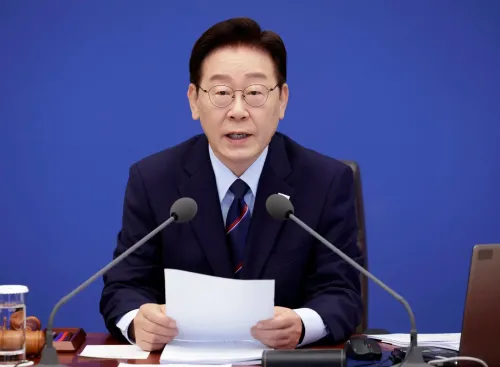
US President Donald Trump and President Lee Jae Myung agreed in an October summit to support the program; bilateral implementation talks began last week.
The core technical challenge is tracking nuclear fuel accountability on submarines operating underwater for extended periods outside routine inspection.
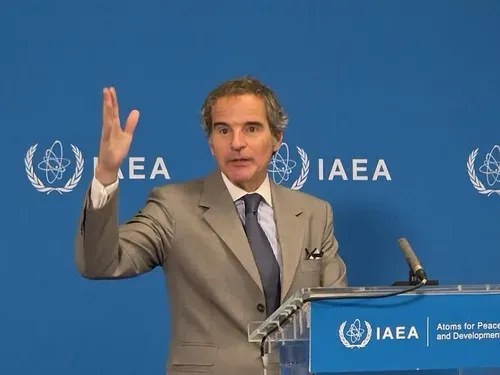
IAEA Director General Rafael Grossi said on Monday that South Korea's planned nuclear-powered submarine program should not raise proliferation concerns, provided a solid and specific safeguards arrangement is concluded with the International Atomic Energy Agency (IAEA). Grossi made the remarks at a press conference in Vienna, as Seoul pushes ahead with its ambition to field conventionally armed, nuclear-propelled submarines.
Where Talks Stand
Grossi confirmed that Seoul and the IAEA have already begun preliminary discussions on a safeguards framework, though the process remains at an early stage. He attributed the slow pace to the absence of specific technical details from South Korea's side regarding the envisioned submarine design, fuel type, and onshore infrastructure.
'So we are in the face of the kickoff ... of that process, which is a highly technical process where our safeguards experts meet with Korean experts, and they start looking at what will be necessary,' Grossi said.
The Core Technical Challenge
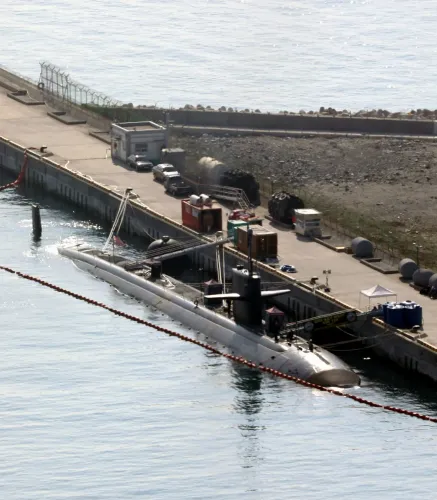
The central safeguards hurdle, according to Grossi, is ensuring accountability for nuclear material once it is loaded into submarines that can operate underwater for extended periods, outside the reach of routine inspections.
'So we need to find technical ways to ensure that the amount of uranium that left the harbour is the same when it comes back,' he said, adding that the process 'is going to take a long time precisely to ensure that there is no proliferation.'
Under the Nuclear Non-Proliferation Treaty (NPT), member states must notify the IAEA and conclude a special arrangement before operating nuclear-propelled vessels. Grossi stressed that any such arrangement must be highly specific, covering submarine design, fuel specifications, and shore-based infrastructure.
Program Details and Timeline
Defence Minister Ahn Gyu-back last month released a road map confirming that the submarines will use low-enriched uranium enriched to less than 20 per cent — well below the more-than-90 per cent enrichment level used in nuclear weapons. Seoul plans to launch its first nuclear-powered submarine in the mid-2030s and bring it into operational service before 2040.
US Backing and Bilateral Momentum
The program gained significant momentum following a summit between South Korean President Lee Jae Myung and US President Donald Trump in October. A joint fact sheet released after the summit confirmed Washington's commitment to supporting Seoul's nuclear-propelled submarine construction, as well as uranium enrichment and spent nuclear fuel reprocessing for civilian use. After some delays, the two nations launched implementation talks last week.
What Comes Next
Grossi underscored that South Korea has not yet finalised decisions on technology or operational modalities, meaning the IAEA safeguards framework cannot be fully drafted until those details are locked in. The process is expected to be lengthy, given the unprecedented nature of a non-nuclear-weapon state operating nuclear-propelled submarines under full NPT obligations. How Seoul and the IAEA resolve the underwater inspection gap will set a precedent that other aspiring submarine powers are likely to watch closely.
Point of View
Meaning Seoul and the IAEA are essentially writing new rules from scratch. The underwater accountability problem Grossi flagged is not a bureaucratic footnote; it is the same technical gap that has stalled Australia's AUKUS submarine ambitions in Geneva for years. South Korea's ability to close that gap quickly will determine whether the mid-2030s launch target is realistic or aspirational. Washington's backing accelerates the politics but cannot shortcut the safeguards engineering.
NationPress
26 Oct 2026
Frequently Asked Questions
Does South Korea's nuclear-powered submarine program pose a proliferation risk?
According to IAEA Director General Rafael Grossi, the program should not raise proliferation concerns provided a solid and specific safeguards arrangement is concluded with the IAEA. Grossi made the statement at a press conference in Vienna on Monday.
What is the current status of IAEA talks with South Korea on submarine safeguards?
Talks between Seoul and the IAEA are at a preliminary stage, as South Korea has not yet finalised decisions on submarine design, fuel type, or onshore infrastructure. Grossi confirmed the discussions have begun but said the process will be lengthy and highly technical.
What type of fuel will South Korea's nuclear submarines use?
According to a road map released by Defence Minister Ahn Gyu-back, the submarines will use low-enriched uranium enriched to less than 20 per cent. This is well below the more-than-90 per cent enrichment level required for nuclear weapons.
When does South Korea plan to launch its first nuclear-powered submarine?
Seoul plans to launch its first nuclear-powered submarine in the mid-2030s and bring it into full operational service before 2040, according to the government's published road map.
What role has the United States played in South Korea's nuclear submarine program?
Following an October summit between President Lee Jae Myung and US President Donald Trump, Washington committed to supporting Seoul's nuclear-propelled submarine construction as well as uranium enrichment and spent nuclear fuel reprocessing for civilian use. The two countries launched implementation talks last week after some delays.