North Korea warns of 'unparalleled' retaliation over South Korea nuclear submarine plan
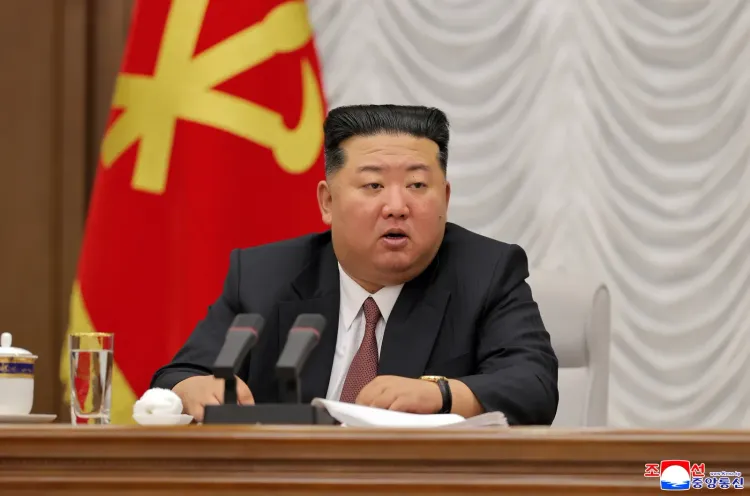
Synopsis
North Korea's foreign ministry has issued a stark retaliation warning after South Korea unveiled a US-backed nuclear submarine programme targeting operational deployment by the late 2030s. Pyongyang's rhetoric frames the move as a step toward full nuclear armament — raising the stakes on a peninsula where denuclearisation talks are already frozen.
Key Takeaways
North Korea's foreign ministry warned on 12 August of 'unparalleled power' to retaliate against South Korea's nuclear submarine push.
Jang Kum-chol , first vice minister of North Korea's foreign ministry, called Seoul's programme a path toward 'nuclear armament' .
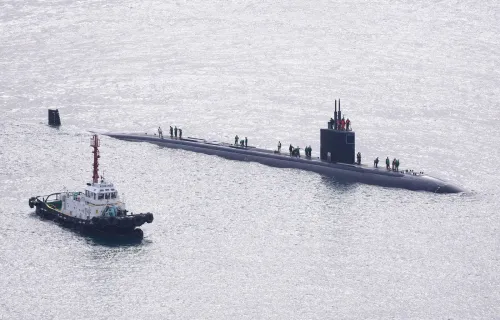
South Korea launched the Jang Bogo N programme in May , targeting its first nuclear-propelled submarine by the mid-2030s and operational service by the late 2030s .
Washington has approved the project; preliminary talks between Seoul and the US are already under way.
South Korean Foreign Minister Cho Hyun said on 5 August that Seoul would seek rights to enrich uranium and reprocess spent nuclear fuel as part of the programme.
Seoul says it will pursue peaceful coexistence with Pyongyang through multilateral channels, including the UN , even as it advances its submarine plans.
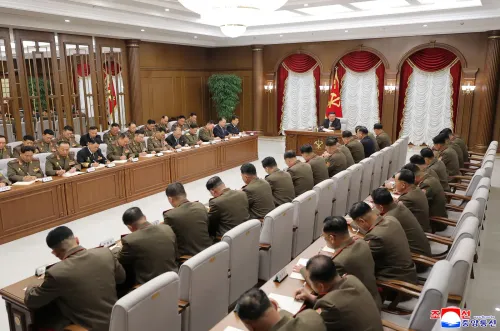
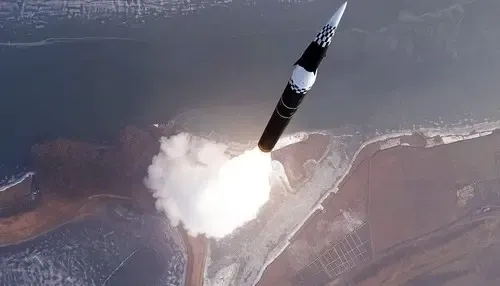
North Korea has sharply condemned South Korea's push to develop nuclear-powered submarines, calling it a move toward outright 'nuclear armament' and vowing to build 'unparalleled power' to neutralise any resulting threat. Pyongyang's state media issued the warning on Wednesday, 12 August, as tensions on the Korean Peninsula show fresh signs of escalation.
What Pyongyang Said
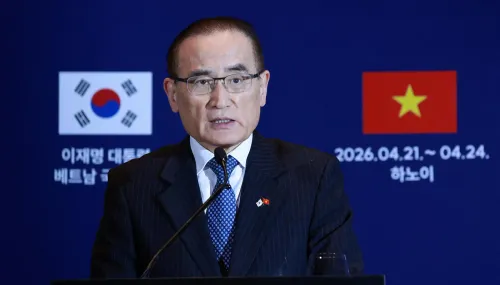
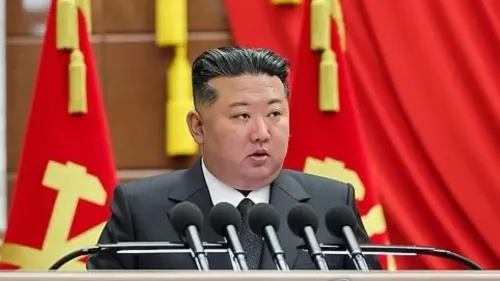
Jang Kum-chol, first vice minister of North Korea's foreign ministry, said in a commentary carried by the Korean Central News Agency (KCNA) that Seoul's objective was to secure the right to produce nuclear materials — free from restrictions on reprocessing spent fuel and uranium enrichment — and ultimately advance toward nuclear armament.
'The possession of the unparalleled power capable of neutralising all sorts of existing or newly-emerging potential threats and responding to any military attempt of the enemy states to provoke the strategic sovereignty security of our state with the retaliatory attack which make them impossible to survive and revive will be the most responsible option for deterring a war,' Jang said.
He further warned that Seoul's nuclear cooperation with Washington on submarine development would destabilise the peninsula and pose a grave challenge to North Korea's security and maritime sovereignty.
South Korea's Jang Bogo N Programme
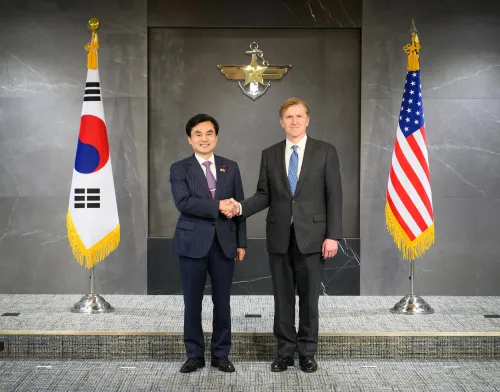
South Korea unveiled the Jang Bogo N programme in May to develop and build its first nuclear-propelled submarines, framing the initiative as a deterrent against regional threats, including those from North Korea. Washington has given Seoul the green light for the project, and preliminary talks between the two allies are already under way, building on a security agreement reached at an October summit between their leaders last year.
Seoul has set a target of launching the first vessel by the mid-2030s, with the submarine entering operational service by the late 2030s.
Seoul's Diplomatic Posture
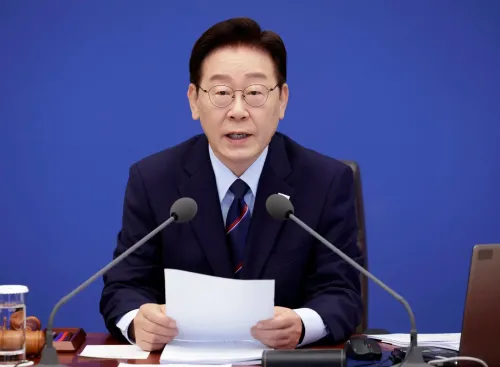
On 5 August, South Korean Foreign Minister Cho Hyun told President Lee Jae Myung in a policy briefing that his ministry would pursue consultations with the United States to secure the conditions necessary for building nuclear-powered submarines, including the right to enrich uranium and reprocess spent nuclear fuel.
'The ministry will facilitate consultations to secure necessary conditions to build nuclear-powered submarines and create an environment for pursuing enrichment and reprocessing,' Cho said. He added that the ministry would also work to strengthen the South Korea-US alliance in strategic areas such as shipbuilding, while coordinating closely with Washington on the economy and trade.
The Broader Diplomatic Picture
On the question of North Korea, Foreign Minister Cho said Seoul would seek ways to lay the groundwork for peaceful coexistence with Pyongyang in collaboration with multilateral organisations, including the United Nations. He also indicated that the ministry would continue working with Washington to revive dialogue with Pyongyang and restart denuclearisation talks through a phased approach — beginning with a halt to North Korea's nuclear programmes.
Cho said Seoul would deepen ties with the Group of Seven (G7), the North Atlantic Treaty Organisation (NATO), and the Association of Southeast Asian Nations (ASEAN), and expand diplomatic channels through upcoming summits with Central Asian nations. With both sides hardening their positions simultaneously, the path to renewed denuclearisation talks appears increasingly narrow.
Point of View
But the underlying shift is real: a US-endorsed South Korean nuclear submarine programme changes the strategic calculus on the peninsula in ways that cannot be talked away. The more consequential detail is buried in Seoul's diplomatic briefing — the push to secure uranium enrichment and reprocessing rights, which, if granted, would represent a significant departure from the non-proliferation framework Washington has long defended globally. That tension between alliance politics and non-proliferation norms is the story mainstream coverage is underplaying. With denuclearisation talks frozen and both sides hardening postures simultaneously, the mid-2030s target date for the first vessel may prove optimistic — but the diplomatic damage begins now.
NationPress
26 Sept 2026
Frequently Asked Questions
Why is North Korea warning South Korea over nuclear submarines?
North Korea says South Korea's Jang Bogo N nuclear submarine programme is a step toward nuclear armament and threatens the peninsula's stability. Pyongyang's foreign ministry warned on 12 August of building 'unparalleled power' to neutralise any resulting threat, framing the US-backed project as a direct challenge to its security and maritime sovereignty.
What is South Korea's Jang Bogo N programme?
The Jang Bogo N programme, unveiled in May, is South Korea's initiative to develop and build its first nuclear-propelled submarines as a deterrent against regional threats, including North Korea. Seoul aims to launch the first vessel by the mid-2030s, with operational service beginning by the late 2030s, with US approval already secured.
Has the United States approved South Korea's nuclear submarine project?
Yes. Washington has given Seoul the green light for the Jang Bogo N programme, and preliminary talks between the two allies are under way, building on a security agreement reached at an October summit between their leaders last year.
What is South Korea seeking from the US beyond the submarine itself?
South Korean Foreign Minister Cho Hyun said on 5 August that Seoul would pursue consultations with Washington to secure the right to enrich uranium and reprocess spent nuclear fuel — conditions necessary for sustaining a domestic nuclear submarine programme. This would mark a significant shift in existing non-proliferation arrangements.
Is South Korea still pursuing dialogue with North Korea?
Yes, alongside its military build-up. Foreign Minister Cho said Seoul would work with Washington to revive dialogue with Pyongyang and restart denuclearisation talks through a phased approach, beginning with a halt to North Korea's nuclear programmes, while also engaging multilateral organisations such as the United Nations.