IED blast in Wana, KP kills tribal chief Malik Tariq Wazir, 2 others
Synopsis
A pre-planted IED in a busy Wana market killed Ahmadzai Wazir tribe chief Malik Tariq Wazir and two others on 18 May — the latest in a string of targeted militant strikes in Khyber Pakhtunkhwa that the HRCP had flagged just 48 hours earlier as part of a sharp, worsening security collapse across Pakistan's northwest.
Key Takeaways
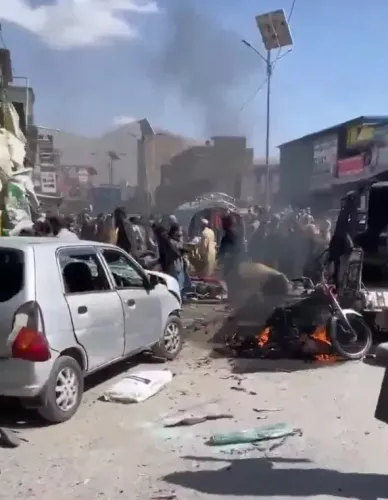
An IED blast in Wana's Rustam Bazaar , Khyber Pakhtunkhwa , killed three people and injured four on 18 May 2025 .
Among the dead is Malik Tariq Wazir , chief of the Ahmadzai Wazir tribe — a prominent tribal elder in the region.
DPO Mohammad Tahir Shah Wazir said explosives were planted near Gulshan Plaza overnight and detonated when Tariq's vehicle passed in the morning.
The Human Rights Commission of Pakistan (HRCP) had on 16 May warned of a sharp deterioration in security across Khyber Pakhtunkhwa and Balochistan .
HRCP cited attacks in Bannu , Bajaur , and Lakki Marwat , and the alleged abduction of Gwadar University officials, as evidence of worsening militant violence.
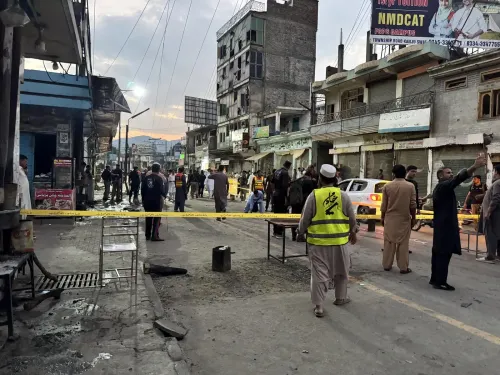
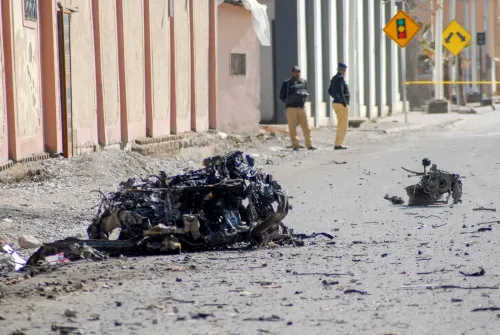
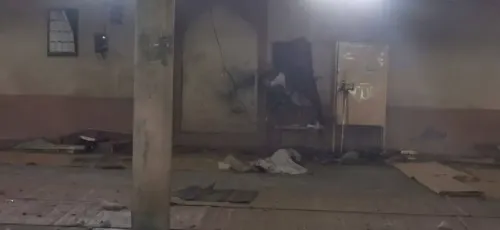
An improvised explosive device (IED) blast in the Rustam Bazaar area of Wana, Khyber Pakhtunkhwa, killed at least three people — including prominent tribal elder and Ahmadzai Wazir tribe chief Malik Tariq Wazir — and left four others injured on Monday, 18 May, according to officials and local media reports. The explosion struck as a vehicle carrying Tariq passed through the market, underscoring the persistent threat of militant violence in Pakistan's restive northwest.
How the Attack Unfolded
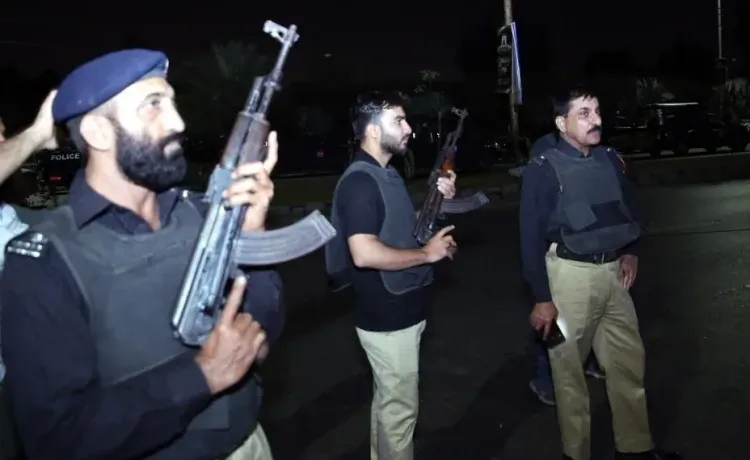
District Police Officer (DPO) Mohammad Tahir Shah Wazir said unidentified assailants had allegedly planted explosive material near Gulshan Plaza during the night, which detonated in the morning when Tariq's vehicle drove through the area. The blast site was quickly cordoned off by police, who launched a search operation to identify and apprehend the perpetrators.
Residents and rescue workers transported the bodies of the deceased and the injured to hospital for treatment and legal formalities, according to reports. No group has so far claimed responsibility for the attack.
Security Alarm Raised Days Earlier
The Wana blast comes just two days after the Human Rights Commission of Pakistan (HRCP) — on 16 May — publicly warned of a sharp deterioration in security across Balochistan and Khyber Pakhtunkhwa. In a statement posted on X, the HRCP said citizens were 'increasingly caught between enforced disappearances, targeted killings, and militant attacks.'
The commission had specifically flagged the alleged abduction of the vice-chancellor, pro-vice chancellor, and two other Gwadar University employees in Mastung while travelling from Gwadar to Quetta, calling it a serious indictment of the state's ability to secure major highways. It also condemned the killing of Professor Ghamkhwar Hayat in Noshki, warning that attacks on academics carry consequences far beyond individual tragedies.
Pattern of Militant Violence in KP
The HRCP's statement on X further cited deadly attacks in Bannu, Bajaur, and Lakki Marwat — including the bombing of a crowded market in Sarai Naurang — as evidence of a worsening pattern of indiscriminate militant violence targeting civilians, police officers, and security personnel alike.
Notably, this is not an isolated incident. Khyber Pakhtunkhwa has recorded a sustained surge in IED and militant attacks over recent months, with tribal elders and security forces among the most frequent targets. The killing of a prominent tribal chief like Malik Tariq Wazir signals a deliberate attempt to destabilise community leadership structures in South Waziristan.
HRCP Demands Accountability
The HRCP urged Pakistan's government to 'move beyond statements of condemnation' and take concrete steps to protect public spaces and human life. It called for the immediate recovery of the missing Gwadar University officials, credible investigations into all recent attacks, and accountability for perpetrators as 'immediate and necessary first steps.'
With security conditions in Khyber Pakhtunkhwa continuing to deteriorate, pressure on Pakistani authorities to demonstrate operational control — rather than reactive condemnation — is expected to intensify in the days ahead.
Point of View
Accelerating trend that Pakistani authorities have been unable to reverse. What is missing from official responses is not condemnation — it is a credible operational plan. Until Pakistan demonstrates it can secure its own highways, markets, and institutions, the cycle of targeted killings and IED attacks will continue to erode whatever social cohesion remains in KP.
NationPress
3 Oct 2026
Frequently Asked Questions
What happened in the Wana IED blast on 18 May 2025?
An IED planted near Gulshan Plaza in Wana's Rustam Bazaar, Khyber Pakhtunkhwa, exploded on the morning of 18 May 2025, killing three people — including Ahmadzai Wazir tribe chief Malik Tariq Wazir — and injuring four others. Police cordoned off the area and launched a search operation for the perpetrators.
Who was Malik Tariq Wazir?
Malik Tariq Wazir was a prominent tribal elder and the chief of the Ahmadzai Wazir tribe in Pakistan's Khyber Pakhtunkhwa. He was killed when an IED detonated near his vehicle as it passed through Wana's Rustam Bazaar on 18 May 2025.
What did the HRCP say about security in Khyber Pakhtunkhwa?
On 16 May 2025, the Human Rights Commission of Pakistan warned of a sharp deterioration in security across Khyber Pakhtunkhwa and Balochistan. In a post on X, it cited targeted killings, enforced disappearances, and militant attacks in Bannu, Bajaur, and Lakki Marwat, and urged the government to move beyond condemnations to concrete protective action.
Who carried out the Wana blast?
According to officials, unidentified assailants planted the explosive material near Gulshan Plaza during the night before the blast. No group had claimed responsibility as of the latest reports, and police have launched a search operation to identify the perpetrators.
What is the broader security situation in Khyber Pakhtunkhwa?
Khyber Pakhtunkhwa has seen a sustained surge in IED attacks and targeted killings in recent months. The HRCP flagged attacks in Bannu, Bajaur, and Lakki Marwat — including the bombing of a crowded market in Sarai Naurang — as part of a worsening pattern of militant violence indiscriminately targeting civilians, police, and security personnel.