How are India and Russia Strengthening Ties in Fisheries and Dairy?
Synopsis
In a significant move, India and Russia are set to enhance their bilateral ties, focusing on the fisheries and dairy sectors. With increased trade potential and technology collaboration, both nations aim to foster stronger agricultural partnerships, paving the way for mutual growth and innovation in these vital industries.
Key Takeaways
Increased trade potential in fisheries and dairy sectors.
Technology collaboration in aquaculture.
Focus on mutual growth through joint ventures .
Strengthening agricultural partnerships .
Expedited approvals for Indian entities in various sectors.
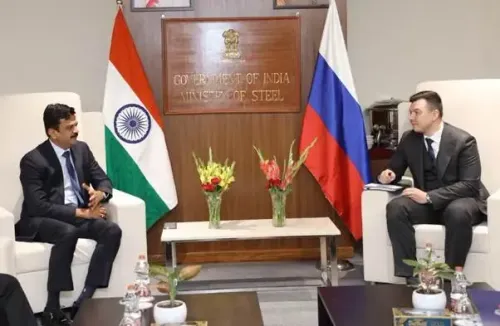
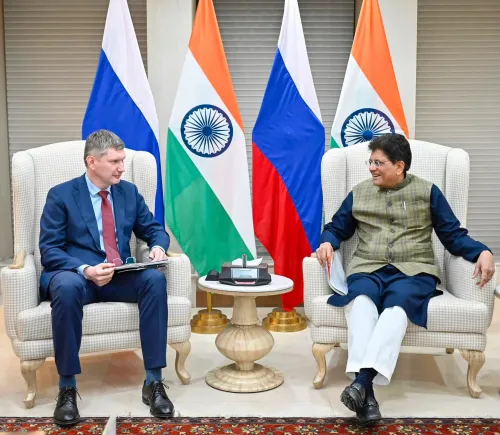
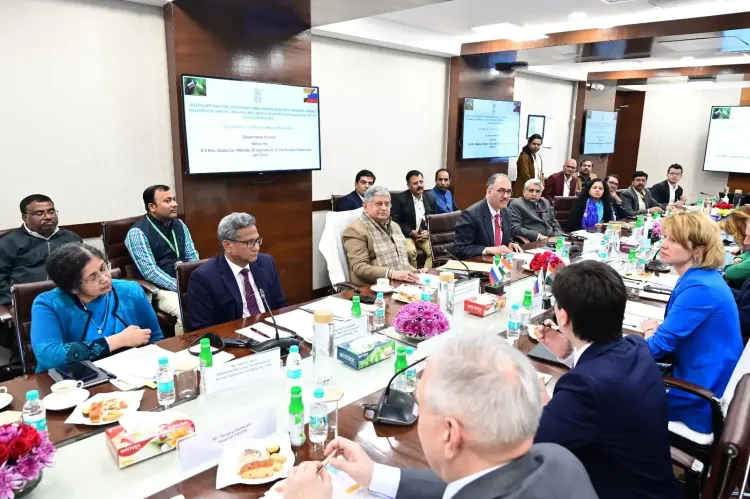
New Delhi, Dec 4 (NationPress) On Thursday, Russia announced its willingness to increase imports of fish and meat from India. The two nations also agreed to enhance cooperation in innovative aquaculture technologies, including advanced deep-sea fishing vessels.
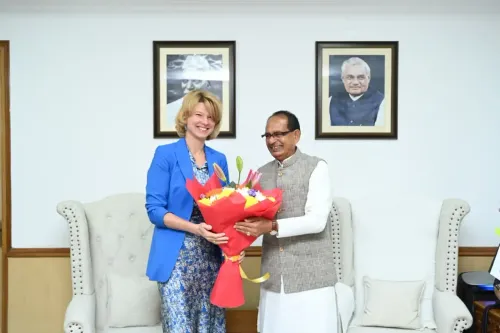
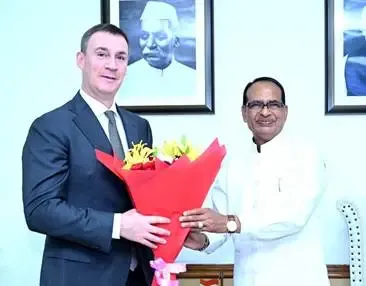
These discussions took place during a meeting at Krishi Bhawan, attended by India's Minister of Fisheries, Animal Husbandry & Dairying, Rajiv Ranjan Singh, and Russia's Agriculture Minister Oxana Lut.
During their dialogue, both parties explored avenues to expand bilateral trade in fisheries and dairy products, tackle market access challenges, and expedite the listing process for exports. They also focused on research collaboration and advancements in aquaculture technologies.
Singh pointed out the opportunity to broaden India's export offerings to Russia, including items like shrimp, prawns, mackerel, sardines, tuna, crab, squid, and cuttlefish. The Russian delegation expressed a keen interest in importing fish and fishery products, meat, and developing the trout market via a collaborative technical project that could pave the way for joint ventures.
He also highlighted that India’s fish and fishery product exports reached $7.45 billion in 2024-25, with $127 million directed to Russia.
Lut conveyed Russia’s eagerness to engage in cooperative activities in fisheries, animal husbandry, and dairy sectors, emphasizing the historical success of their agricultural collaboration. She noted that while some products are produced in Russia, others are made in India, allowing for mutual supply of necessary goods.
Singh thanked Russia for recently listing 19 Indian fisheries establishments on its Federal Service for Veterinary and Phytosanitary Surveillance (FSVPS) platform, raising the total to 128. He urged the Russian minister to expedite the listing of pending establishments, ensure regular updates on activities, and lift temporary restrictions.
The minister advocated for swift approvals for Indian entities in the dairy, buffalo meat, and poultry sectors, promising full cooperation from India.
Regarding the export of dairy products, he mentioned that 12 Indian dairy companies, including AMUL (Gujarat Cooperative Milk Marketing Federation), are awaiting registration with the FSVPS and requested the Russian side to facilitate their listing.
Both nations concurred on collaborating in coldwater fisheries, including trout, and enhancing genetic improvements in fisheries and aquaculture. This collaboration would involve the exchange of expertise among officials, researchers, and students.
India proposed establishing a structured mechanism to promote progress in these areas and urged the Russian side to finalize and sign the draft MoU already shared.
Lut also expressed Russia’s desire for cooperation with India in veterinary vaccine development, equipment manufacturing, and animal disease management. She emphasized the importance of further collaboration at the university level, involving research and development institutes, and promoting courses and exchanges among students and scientists for innovation and advanced technologies.
Point of View
I observe this growing collaboration between India and Russia in the fisheries and dairy sectors as a strategic move that can significantly benefit both nations. The focus on technological advancements and expanding trade avenues showcases a commitment to mutual growth, which is crucial in today's interconnected world.
NationPress
25 Sept 2026
Frequently Asked Questions
What sectors are India and Russia collaborating on?
India and Russia are enhancing cooperation primarily in the fisheries and dairy sectors, focusing on trade and technological advancements.
What was discussed during the meeting between India and Russia?
The meeting addressed expanding trade in fisheries and dairy products, resolving market access issues, and collaborating on aquaculture technologies.
What are some products India exports to Russia?
India exports a variety of products to Russia, including shrimp, prawns, mackerel, sardines, tuna, crab, squid, and cuttlefish.
How much fish and fishery products did India export in 2024-25?
In 2024-25, India exported fish and fishery products worth $7.45 billion, with $127 million directed to Russia.
What cooperation did Russia express interest in?
Russia showed interest in collaborating on veterinary vaccine development, equipment manufacturing, and animal disease management.