India Greenlights Export of Additional 25 Lakh Tonnes of Wheat

Synopsis
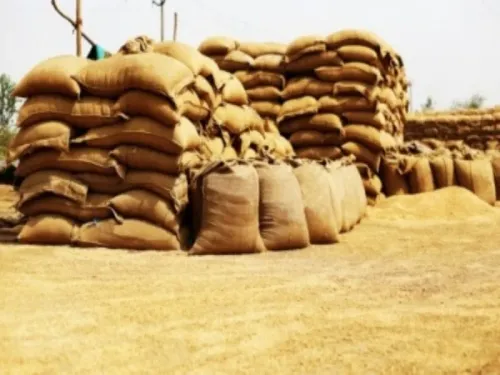
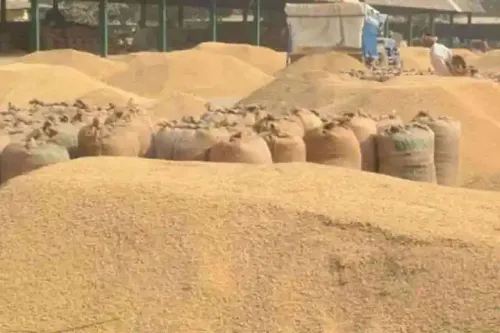
In a significant move, the Indian Government has authorized the export of an additional 25 lakh tonnes of wheat, aiming to boost farmers' incomes while stabilizing the domestic market. This decision follows a thorough assessment of production and stock levels.
Key Takeaways
Government approves 25 lakh tonnes of wheat exports.
Total wheat export now stands at 50 lakh tonnes.
Projected wheat production for 2025-26 is 1,202 LMT.
Wheat acreage has increased in the Rabi 2026 season.
Decision aims to stabilize prices and enhance farmer incomes.
New Delhi, April 20 (NationPress) The Indian Government has sanctioned the export of an extra 25 lakh metric tonnes (LMT) of wheat, underscoring its dedication to providing profitable returns for farmers while ensuring stability in domestic markets, as per an official announcement made on Monday.
This resolution comes after an in-depth examination of current production levels, stock availability, and market price trends, as stated by the Department of Food and Public Distribution.
The second advance estimates released by the Department of Agriculture and Farmers Welfare on March 10, 2026, indicate that wheat production for the 2025–26 season is projected to be 1,202 LMT. Given the favorable production forecasts and adequate stock levels, the decision to allow further exports was deemed appropriate, the statement elaborated.
Earlier, in January 2026, the Department approved the export of 5 LMT of wheat products, followed by an additional 5 LMT and 25 LMT of wheat in February 2026. With this latest approval, the cumulative export permissions now total 50 LMT of wheat and 10 LMT of wheat products.
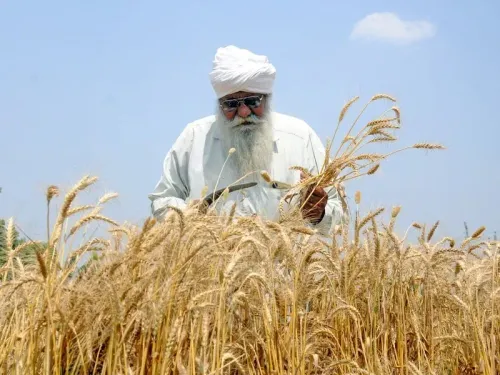
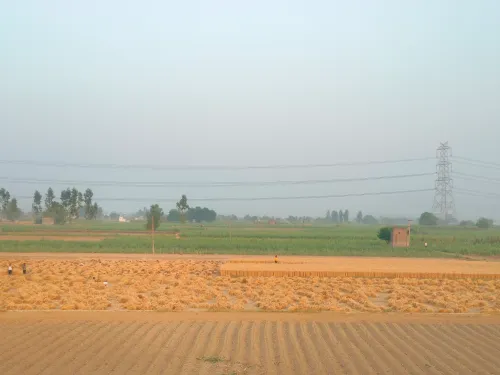
The area under wheat cultivation during the Rabi 2026 season has expanded to approximately 334.17 lakh hectares, up from 328.04 lakh hectares last year. This increase reflects strong farmer confidence in wheat production, bolstered by a guaranteed Minimum Support Price (MSP) and effective procurement systems, suggesting another robust harvest ahead, the statement noted.
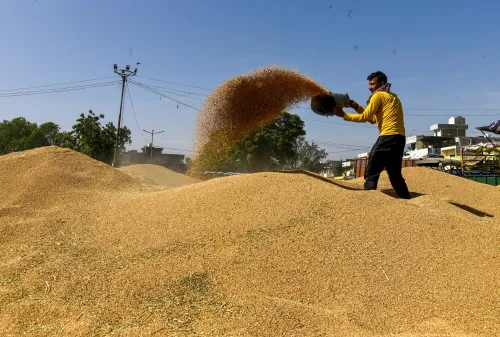
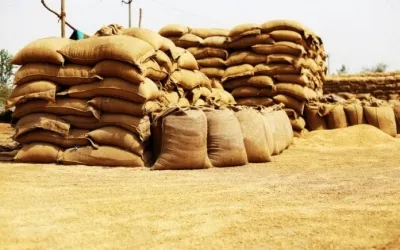
The recent decision to permit an additional 25 LMT of wheat exports is anticipated to enhance market liquidity, streamline stock management, and avert distress selling during the peak harvest season. It is also expected to stabilize domestic prices and bolster farmers' incomes, while ensuring comprehensive food security for the nation, the statement highlighted.
The Government remains committed to implementing well-timed and strategic measures to balance the needs of farmers and consumers, while fostering sustainable growth in the agricultural sector, the statement concluded.
Point of View
This decision reflects the Government's dual focus on supporting farmers and maintaining market stability. By allowing additional wheat exports, the administration is not only enhancing farmers' livelihoods but also ensuring a balanced approach to food security.
NationPress
19 Sept 2026
Frequently Asked Questions
What is the recent approval regarding wheat exports?
The Government of India has approved the export of an additional 25 lakh metric tonnes of wheat.
How does this decision impact farmers?
This decision aims to provide remunerative returns for farmers while stabilizing domestic market prices.
What are the projected wheat production figures for 2025-26?
Wheat production for the 2025-26 season is estimated at 1,202 lakh metric tonnes.
How much wheat has been approved for export in total?
A total of 50 lakh metric tonnes of wheat and 10 lakh metric tonnes of wheat products have been approved for export.
What factors influenced this export decision?
The decision was influenced by a review of current production levels, stock availability, and price trends.