INDIA bloc fractures ahead of Monsoon Session: DMK exits, TMC shifts
Synopsis
The INDIA bloc is walking into the Monsoon Session of Parliament at its weakest since formation. The DMK's formal exit following Congress's Tamil Nadu pivot, Trinamool's post-Bengal turmoil, and AAP's fragmentation have stripped the alliance of a combined strength it never fully wielded — while the NDA sits comfortably at 292 seats.
Key Takeaways
The INDIA bloc's effective Lok Sabha strength could fall to approximately 212 seats ahead of the Monsoon Session in July .
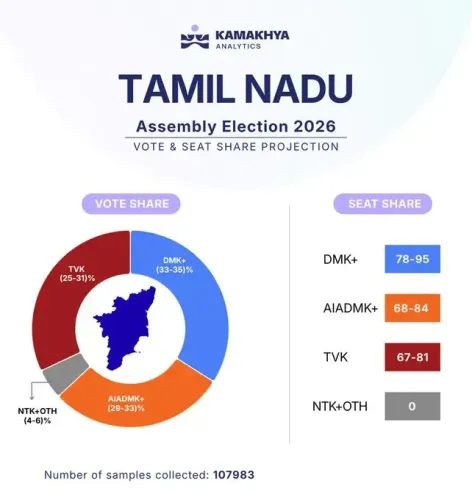
The DMK formally exited the INDIA alliance after Congress broke its 11-year partnership and aligned with TVK , which won 108 of 234 seats in Tamil Nadu.
The NDA holds 292 Lok Sabha seats , with BJP alone at 240 , giving it a comfortable legislative majority.
Trinamool Congress faces internal dissent after losing West Bengal; up to 19 of its 28 MPs could defect without triggering anti-defection provisions.
Mamata Banerjee is set to personally represent Trinamool at INDIA coordination meetings, signalling a pivot to national politics.
The AAP holds just 3 Lok Sabha seats after splits; its alignment in the upcoming session remains uncertain.
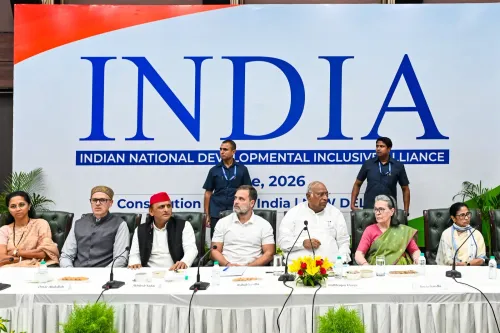
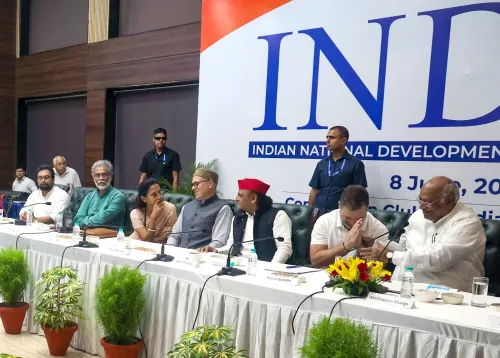
The Opposition INDIA bloc is heading into the Monsoon Session of Parliament, expected to begin in July, in its most fragmented state since its formation, as fresh Assembly election results reorder the anti-Bharatiya Janata Party (BJP) political landscape. The bloc, which once commanded 234 seats in the 18th Lok Sabha, now faces a string of defections and realignments that could reduce its effective floor strength to around 212 seats.
DMK Exits the Bloc
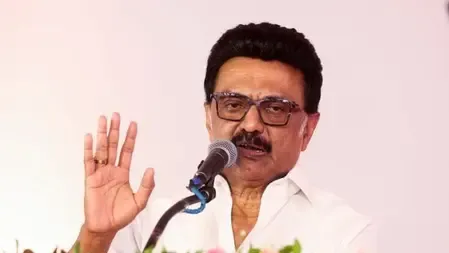
The most consequential rupture has come in Tamil Nadu, where the Dravida Munnetra Kazhagam (DMK) has formally exited the INDIA alliance after the Congress snapped its 11-year partnership with the party and aligned instead with film star Vijay-led Tamilaga Vettri Kazhagam (TVK), which won 108 of 234 Assembly seats in a surprise verdict. The DMK has since decided to skip next week's INDIA leaders' meeting in New Delhi and is set to sit separately from the Congress in the Lok Sabha during the upcoming session. The DMK holds 22 Lok Sabha seats — the fourth-highest tally among Opposition parties — and 8 Rajya Sabha seats, both of which will now sit unattached.
Trinamool in Flux After West Bengal Rout
The All India Trinamool Congress (TMC) adds another layer of uncertainty. The party suffered a decisive defeat in the West Bengal Assembly election, with the BJP winning 206 of 294 seats to end Trinamool's 15-year rule. In the aftermath, Trinamool Chairperson Mamata Banerjee is reportedly shifting focus to national politics and is set to personally represent the party at INDIA bloc coordination meetings in Parliament — a departure from its earlier pattern of staying away.
Internal dissent within the Trinamool has compounded the picture. Trinamool Rajya Sabha MP Sukhendu Sekhar Roy, citing his own sources, has claimed that several Trinamool MPs could switch sides. With the party holding 28 Lok Sabha seats, a group of up to 19 MPs could technically defect without triggering the anti-defection law. The party also has 13 Rajya Sabha MPs, including Roy, who had publicly voiced concern over the rape and murder of an intern at RG Kar Medical College and Hospital in Kolkata.
The NDA's Comfortable Position
Against this backdrop of Opposition fragmentation, the ruling National Democratic Alliance (NDA) enters the Monsoon Session from a position of strength. The NDA currently holds 292 seats in the Lok Sabha, with the BJP alone accounting for 240. Key allies include the Telugu Desam Party (16 seats), Janata Dal (United) (12 seats), Shiv Sena (7 seats), and Lok Janshakti Party (Ram Vilas) (5 seats). In the Rajya Sabha, out of 245 seats, the BJP holds 113, with JD(U) adding 4 and Shiv Sena 2. This majority gives the treasury benches the arithmetic to push through legislation even without Opposition cooperation.
INDIA Bloc's Shrinking Numbers
The INDIA alliance was always a loose coalition built around a shared adversary rather than a common programme. Since its formation ahead of the 2024 Lok Sabha elections, it has seen the early exit of Nitish Kumar of the Janata Dal (United), one of its principal architects. The Aam Aadmi Party (AAP) had maintained that the platform was intended only for Parliamentary elections; the party now holds just 3 Lok Sabha seats following internal splits, and its alignment going into the session remains uncertain.
The Congress, with 98 seats, remains the principal Opposition party. The Samajwadi Party, with 37 seats, is the other significant Opposition grouping. With the DMK sitting independently and AAP's position unclear, the INDIA bloc's working strength in the Lok Sabha could fall to approximately 212 seats — well short of what is needed to mount a credible legislative challenge.
What the Monsoon Session Could Look Like
The session is expected to take up significant legislative business, and the ruling alliance's arithmetic means it can pass bills without relying on Opposition support. However, a fragmented Opposition is not necessarily a silent one — individual parties sitting unattached, such as the DMK, may still coordinate on specific issues outside the formal INDIA framework. How Mamata Banerjee's personal presence in Parliament-level coordination plays out, and whether Trinamool defections materialise, will be among the key variables to watch as the session approaches.
Point of View
Which historically produces unpredictable parliamentary behaviour. The NDA, by contrast, enters the session with the cleanest arithmetic it has had in years — and a fragmented Opposition is not an accountable one.
NationPress
21 Oct 2026
Frequently Asked Questions
Why did the DMK exit the INDIA bloc?
The DMK exited after the Congress broke its 11-year alliance in Tamil Nadu and aligned with Vijay-led TVK, which won 108 of 234 Assembly seats. The DMK responded by formally leaving the INDIA alliance and announcing it would sit independently in the Lok Sabha during the Monsoon Session.
What is the current seat strength of the INDIA bloc in the Lok Sabha?
The INDIA bloc previously commanded around 234 Lok Sabha seats, but with the DMK's exit and AAP's fragmentation, the effective strength is estimated to have fallen to approximately 212 seats. The Congress, with 98 seats, remains the largest Opposition party within the grouping.
How strong is the NDA going into the Monsoon Session?
The NDA holds 292 seats in the 18th Lok Sabha, with the BJP accounting for 240. Allies include the Telugu Desam Party (16), JD(U) (12), Shiv Sena (7), and LJP (Ram Vilas) (5). In the Rajya Sabha, the BJP alone holds 113 of 245 seats.
Why is Trinamool Congress considered a wildcard in the upcoming session?
Trinamool suffered a landslide defeat in the West Bengal Assembly election, losing to the BJP which won 206 of 294 seats, ending the party's 15-year rule. Internal dissent has since grown, with Rajya Sabha MP Sukhendu Sekhar Roy claiming that several MPs could switch sides — a group of up to 19 could do so without attracting anti-defection provisions.
When is the Monsoon Session of Parliament expected to begin?
The Monsoon Session is expected to begin later in July. It is anticipated to take up significant legislative business, and the NDA's comfortable majority means it can advance legislation even amid Opposition fragmentation.