NDA nears 313 Lok Sabha seats as INDIA bloc fractures further
Synopsis
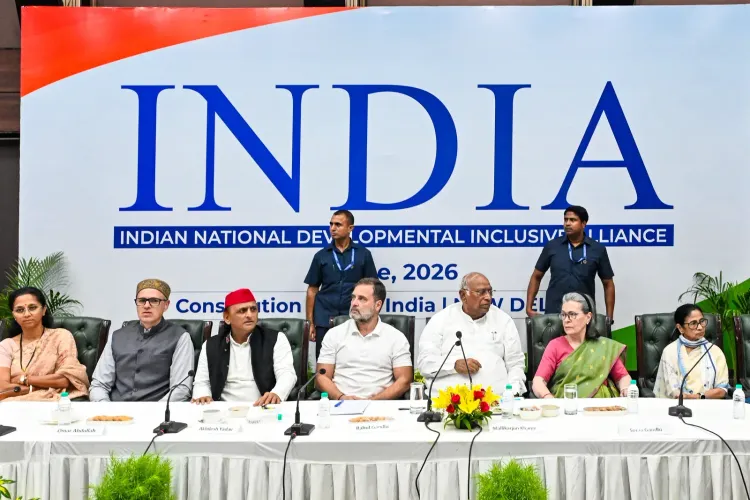
Twenty TMC MPs backing the NDA is more than a defection story — it is a stress test that the INDIA bloc is failing in real time. With the DMK pulling away and Congress accused of coalition overreach, the Opposition enters the Monsoon Session numerically weakened and politically divided, while Modi's alliance quietly approaches a two-thirds majority in the Rajya Sabha.
Key Takeaways
The NDA is set to consolidate approximately 313 Lok Sabha seats after 20 TMC MPs extended support to the coalition.
The NDA is reportedly inching toward a two-thirds majority in the Rajya Sabha .
The DMK , with 22 Lok Sabha and 8 Rajya Sabha seats, has chosen to distance itself from the INDIA bloc ahead of the Monsoon Session.
The Congress's decision to back Vijay's TVK after Tamil Nadu's 2026 Assembly election is cited as a key trigger for the DMK's estrangement.
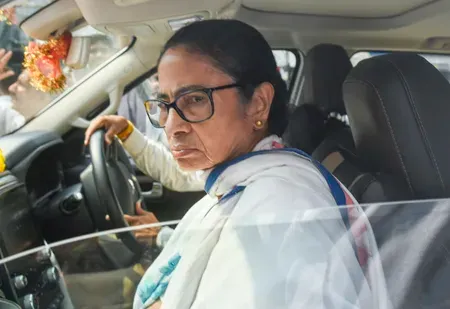
TMC top leadership is making conciliatory overtures toward New Delhi even as a large section of its Parliamentarians drift toward the NDA.
PM Modi has marked the longest uninterrupted Prime Ministerial stint in India's history, with NDA allies framing his tenure as a period of national stability.
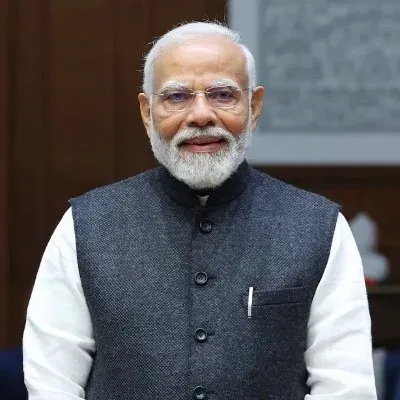
The National Democratic Alliance (NDA), led by Prime Minister Narendra Modi, is set to consolidate its position in Parliament ahead of the Monsoon Session, with the defection of 20 Trinamool Congress (TMC) MPs from the Mamata Banerjee-led party pushing the coalition's Lok Sabha tally to approximately 313 seats. The development, which unfolded on Sunday, 14 June, simultaneously deepens the crisis within the Opposition's INDIA bloc, raising fresh questions about the alliance's cohesion and future.
NDA Strengthens Its Parliamentary Position
The 20 rebel TMC MPs have reportedly extended support to the NDA, a move that further cements the ruling coalition's numerical advantage in the Lok Sabha. Beyond the lower house, the NDA is also said to be inching closer to a two-thirds majority in the Rajya Sabha — a threshold that would give it sweeping legislative authority.
Notably, the Bharatiya Janata Party (BJP), the NDA's dominant partner, has managed to keep its alliance architecture intact — and, by some accounts, has quietly expanded it with each successive state election cycle. NDA allies have also been effusive in their praise of Modi, who recently marked the longest uninterrupted Prime Ministerial stint in India's history, with coalition leaders invoking him as the architect of 'Viksit Bharat' and a guarantor of political stability. Critics argue such framing serves a dual purpose: it anchors regional partners to a nationally dominant narrative while reinforcing their own legitimacy.
TMC's Internal Fracture and Tactical Thaw
The departure of the 20 TMC MPs marks a significant rupture within a party that had, until recently, positioned itself as a robust challenger to the BJP. Even as the rebel lawmakers drifted toward the NDA, TMC's top leadership was reportedly making conciliatory overtures toward New Delhi — a tactical softening that observers read as damage-control rather than ideological realignment.
The TMC holds 22 seats in the Lok Sabha and 8 in the Rajya Sabha, making its internal instability a material blow to the INDIA bloc's arithmetic. The party had previously resisted seat-sharing on terms set by the Indian National Congress (Congress / INC), and the current thaw is seen as a consequence of that unresolved tension.
Congress Struggles to Hold the INDIA Bloc Together
At the heart of the Opposition's troubles, according to multiple political observers, lies the Congress's management — or mismanagement — of coalition dynamics. The party, which was expected to serve as the binding force for India's fragmented regional outfits, has instead drawn accusations of behaving like a dominant older sibling rather than an equal partner.
A recent flashpoint was the Congress's decision to align with actor-turned-politician Vijay's Tamilaga Vettri Kazhagam (TVK) shortly after the party emerged as the single largest entity in Tamil Nadu's 2026 Assembly election. The move reportedly angered long-time ally Dravida Munnetra Kazhagam (DMK) — which commands 22 Lok Sabha seats and 8 Rajya Sabha seats — to the point where the DMK has chosen to distance itself from the INDIA bloc in the upcoming Parliamentary session. The Communist Party of India (Marxist) has similarly sharpened its critique of the Congress-led grouping.
This is not an isolated pattern. In Bihar, the Congress reportedly sought a disproportionate share of seats relative to its on-ground strength, projecting 'winnability' that allies found difficult to accept. Coalition partners have repeatedly accused the party of undermining the principle of shared leadership — what some describe as 'coalition dharma' — by insisting that the anti-BJP vote is best stewarded under its banner, even as electoral results have repeatedly challenged that claim.
The Congress Paradox: Assets Without Leverage
The Congress retains political assets that no other Opposition party can match nationally — a pan-India organisational footprint, however eroded, and a brand identity, however diminished. Yet these assets translate into leverage only when allies believe they are deployed for a collective purpose rather than to reassert the party's dynastic centrality, critics argue.
The structural problem is one of trust. Until the Congress demonstrates the flexibility and transparency of a genuine coalition partner — standing alongside allies rather than above them — the INDIA bloc risks remaining an alliance in name only.
What Happens Next
With the Monsoon Session of Parliament approaching, the INDIA bloc faces the prospect of entering the house visibly fragmented, with the DMK sitting away from the grouping and the TMC in internal disarray. The NDA, by contrast, enters the session with a reinforced majority and a coalition that has, so far, held together under Modi's leadership. Whether the Opposition can arrest its slide before the session begins — or before the next round of state elections — will be a defining test of its viability as an alternative.
Point of View
Bihar, and now in the TMC fallout — keeps producing the same result. Meanwhile, the NDA's durability owes less to ideological unity among its partners and more to a simple calculus: proximity to power delivers more than opposition arithmetic. Until the Congress can offer allies something beyond the promise of a shared anti-BJP identity, the INDIA bloc will keep haemorrhaging at its edges.
NationPress
13 Sept 2026
Frequently Asked Questions
How many seats will the NDA have in the Lok Sabha after the TMC defections?
The NDA is set to consolidate approximately 313 seats in the Lok Sabha after 20 Trinamool Congress MPs extended their support to the coalition. This further strengthens the Modi government's position ahead of the Monsoon Session of Parliament.
Why has the DMK distanced itself from the INDIA bloc?
The DMK reportedly pulled away from the INDIA bloc after the Congress chose to align with actor-turned-politician Vijay's Tamilaga Vettri Kazhagam (TVK) following Tamil Nadu's 2026 Assembly election, a move that angered the long-time Congress ally. The DMK has indicated it will sit separately from the INDIA grouping in the upcoming Parliamentary session.
Why are 20 TMC MPs backing the NDA?
The 20 rebel Trinamool Congress MPs have reportedly extended support to the NDA, a move seen as both a consequence of internal party tensions and the TMC's unresolved friction with the Congress over seat-sharing terms. The TMC top leadership has simultaneously softened its stance toward New Delhi, signalling a tactical thaw.
What is the Congress being accused of within the INDIA bloc?
Coalition partners have accused the Congress of acting less like an equal ally and more like a dominant partner — seeking disproportionate seat shares, as alleged in Bihar, and making unilateral decisions on alliance strategy. Critics argue the party undermines 'coalition dharma' by insisting the anti-BJP vote is safest under its stewardship despite repeated electoral shortfalls.
What is the significance of PM Modi's Prime Ministerial record?
PM Narendra Modi has marked the longest uninterrupted Prime Ministerial tenure in India's history, a milestone that NDA allies have used to frame his leadership as an era of national stability and 'Viksit Bharat'. Analysts note that coalition partners invoking this record are also tethering their own regional legitimacy to the narrative of a strong Centre.