TMC split in Lok Sabha: 20 MPs cross Anti-Defection Law threshold

Synopsis
Around 20 TMC MPs are reportedly claiming a valid split under the Anti-Defection Law, having crossed the two-thirds threshold of the party's effective Lok Sabha strength of 27. If formalised, the breakaway group would not merge with BJP but support NDA's agenda — potentially tipping the balance on contentious Bills like simultaneous elections and women's reservation.
Key Takeaways
TMC's effective Lok Sabha strength stands at 27 , with one seat vacant in Basirhat .
Around 20 TMC MPs have reportedly indicated intent to break away, crossing the two-thirds Anti-Defection Law threshold of 18.66 (effectively 19 MPs).
The dissident bloc would function as a separate Parliamentary group supporting the NDA , not merge directly with the BJP .
The NDA currently holds 293 seats in the 543-member Lok Sabha ; an aligned bloc of 20 would ease its legislative position.
Bills that could benefit include the Constitution (129th Amendment) Bill on simultaneous elections and the 33 per cent women's reservation legislation.
The split claim remains unverified by official Parliamentary communication as of reporting.
A significant political realignment is reportedly underway in the Lok Sabha, with around 20 Trinamool Congress (TMC) MPs said to have indicated their intent to break away from the party's organisational control and align with the National Democratic Alliance (NDA) as a distinct Parliamentary group. The development, if formalised, could mark one of the most consequential shifts in West Bengal's Parliamentary representation in recent memory.
The Numbers Behind the Split Claim
TMC originally won 28 of West Bengal's 42 Lok Sabha seats. With one seat currently vacant in Basirhat, the party's effective strength in the House stands at 27. Under the Tenth Schedule of the Constitution — commonly known as the Anti-Defection Law — a split is legally recognised only when at least two-thirds of a Legislature Party supports the move.
In this case, two-thirds of 27 works out to 18.66, meaning a minimum of 19 MPs would be required to constitute a valid split without inviting disqualification. With 20 MPs reportedly backing the breakaway move, the dissident bloc claims it has cleared the Constitutional threshold, according to sources. That margin of one above the minimum is seen as strengthening the bloc's position against any potential disqualification challenge.
What the Breakaway Group Would Look Like
Critically, the reported bloc would not formally merge with the Bharatiya Janata Party (BJP). Instead, it is expected to function as a separate Parliamentary group that supports the NDA's legislative agenda. This distinction matters legally: a merger into an existing party carries different procedural requirements under the Tenth Schedule compared to the recognition of a distinct faction.
Impact on Lok Sabha Arithmetic
The NDA currently commands 293 members in the 543-member Lok Sabha. An additional bloc of 20 aligned MPs would meaningfully ease the government's position on legislation requiring broad numerical support. Among the Bills that could benefit, according to observers, are proposals related to Delimitation, the 33 per cent women's reservation in Legislatures, the Constitution (129th Amendment) Bill on simultaneous elections, and the Union Territories Laws (Amendment) Bill, 2026 — all at varying stages of consideration.
Implications for the Opposition and INDIA Bloc
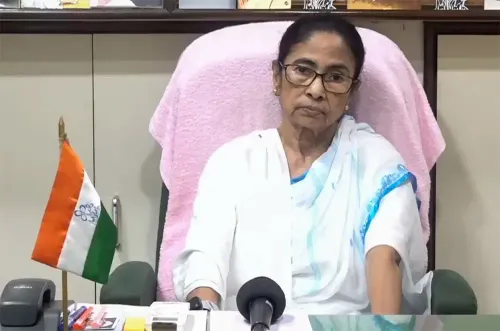
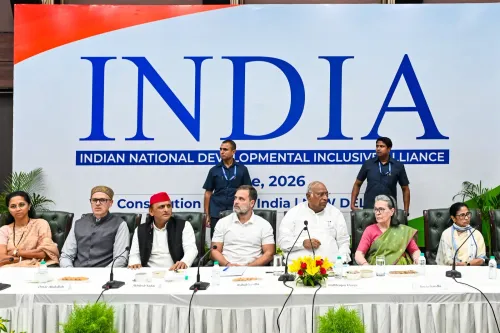
The reported realignment would also reconfigure Opposition strength at the national level. TMC, led by West Bengal Chief Minister Mamata Banerjee, has been a key constituent of the INDIA opposition alliance. A formal split of this scale would deal a significant blow to the bloc's cohesion and numerical heft in Parliament. Political observers note this comes at a particularly sensitive juncture, with several consequential Bills on the legislative calendar.
What Happens Next
The split claim remains unverified by any official Parliamentary or party communication as of reporting. For the split to be legally recognised, the dissident MPs would need to formally notify the Lok Sabha Speaker and establish their separate group within the House. Any challenge to the split's validity would likely be adjudicated by the Speaker under the Tenth Schedule. The coming days are expected to be decisive in determining whether the reported alignment translates into a formal Parliamentary reality.
Point of View
If formalised, is less a spontaneous rebellion and more a structural stress fracture that has been building since the 2024 general election results. The legal arithmetic is carefully calibrated — 20 MPs is precisely one above the minimum required, suggesting this is an organised move rather than an organic walkout. What mainstream coverage underplays is the procedural battlefield ahead: the Lok Sabha Speaker's ruling on the split's validity will be as consequential as the split itself, and past precedents on such rulings have been deeply contested. For the INDIA bloc, the real damage is not just numerical — it is the signal that regional parties with state-level dominance can be peeled away when the Centre applies sufficient pressure or offers sufficient incentive.
NationPress
26 Oct 2026
Frequently Asked Questions
What is the Anti-Defection Law and how does it apply to the TMC split claim?
The Anti-Defection Law, enshrined in the Tenth Schedule of the Constitution , disqualifies MPs who voluntarily give up party membership or vote against party directions. However, it recognises a valid split when at least two-thirds of a Legislature Party supports the breakaway. With TMC's effective Lok Sabha strength at 27, the threshold is 18.66 — meaning 19 MPs are required. The reported 20-member bloc claims to have cleared this bar.
Will the breakaway TMC MPs merge with the BJP?
No, according to reports. The dissident bloc is expected to constitute a separate Parliamentary group that supports the NDA's legislative agenda, rather than formally merging with the BJP. This distinction has specific procedural implications under the Tenth Schedule.
Which Bills could benefit if the TMC bloc aligns with the NDA?
Observers point to several contentious proposals currently under consideration, including the Constitution (129th Amendment) Bill on simultaneous elections, the 33 per cent women's reservation in Legislatures, Delimitation proposals, and the Union Territories Laws (Amendment) Bill, 2026. The NDA currently holds 293 seats in the 543-member House.
What happens next for the split to be officially recognised?
The dissident MPs would need to formally notify the Lok Sabha Speaker and establish their separate group within the House. Any legal challenge to the split's validity would be adjudicated by the Speaker under the Tenth Schedule. No official Parliamentary communication confirming the split had been issued as of reporting.
How does this affect the INDIA opposition bloc?
TMC is a key constituent of the INDIA alliance. A formal split of this scale would reduce the bloc's Parliamentary numbers and signal that regional parties can be separated from the Opposition coalition, potentially weakening its cohesion ahead of key legislative battles.