India-CARICOM ties deepen with Modi's Caribbean push and Jaishankar visits
Synopsis
India's Caribbean diplomacy has moved well beyond symbolism. A seven-pillar framework covering UPI exports, IT scholarships, solar alliances, and affordable healthcare signals that New Delhi is positioning itself as a serious development partner for CARICOM — at a moment when the region is navigating rising geopolitical pressure from multiple major powers.
Key Takeaways
PM Modi became the second Indian Prime Minister to visit the Caribbean in 2024 , after a 56-year gap, with a landmark stop in Guyana .
The second CARICOM-India summit was co-chaired by Modi and Grenada PM Dickon Mitchell , with all CARICOM leaders participating.
India announced 1,000 IT scholarships , a regional forensic centre, and expansion of its technology centre in Belize under the capacity-building pillar.
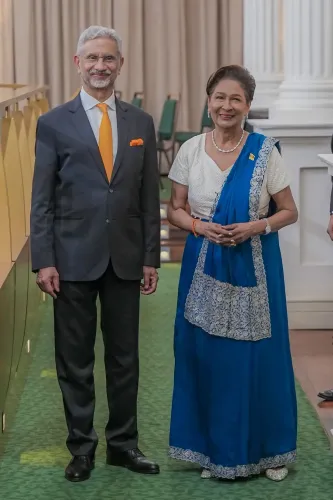
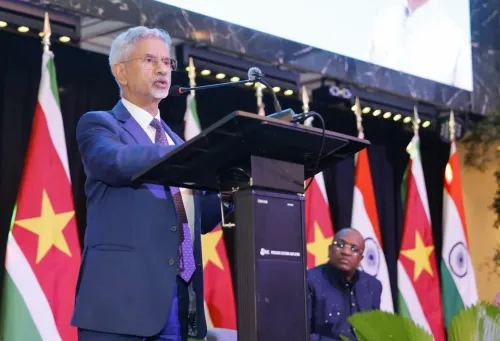
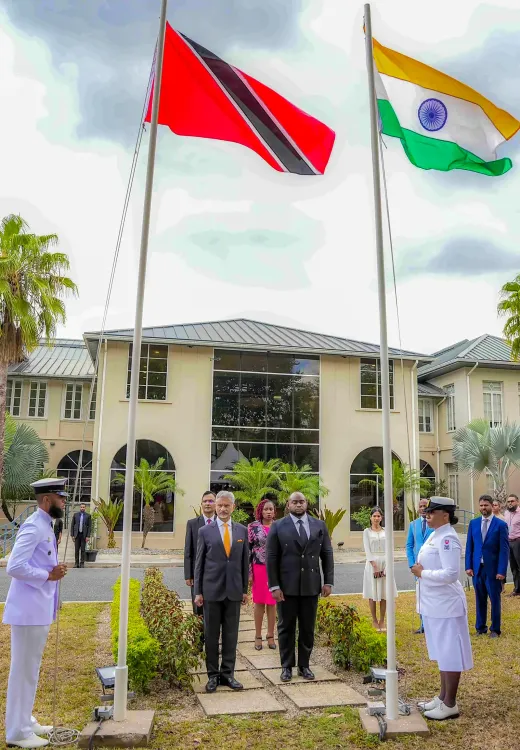
Jaishankar visited Jamaica , Suriname , and Trinidad and Tobago to further strengthen bilateral ties.
India offered to share its UPI digital payments system and Janaushadi affordable medicines scheme with CARICOM nations.
Trinidad and Tobago's Ambassador to CARICOM, Ralph Maraj , described India as an indispensable partner amid rising global geopolitical uncertainties.
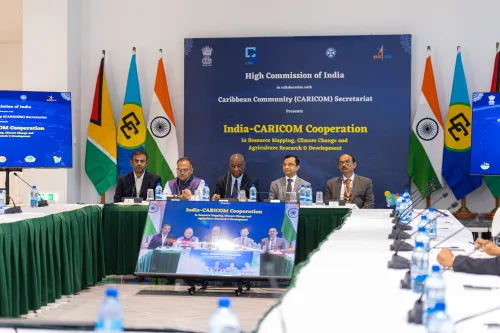
India has steadily deepened its engagement with the Caribbean Community (CARICOM) through a series of high-level diplomatic visits, culminating in a landmark second CARICOM-India summit and a seven-pillar cooperation framework presented by Prime Minister Narendra Modi. According to a report by Ralph Maraj, Trinidad and Tobago's Ambassador to CARICOM, writing in the Caribbean outlet Daily Express, the relationship has entered a new phase of structured partnership spanning technology, healthcare, renewable energy, and maritime security.
Historic Visits Lay the Groundwork
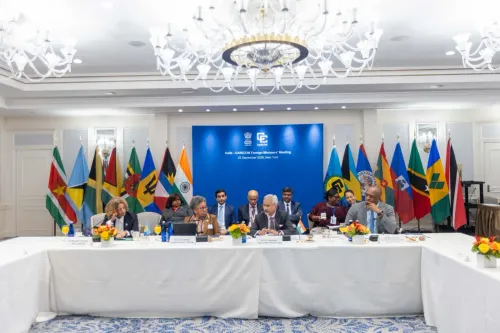
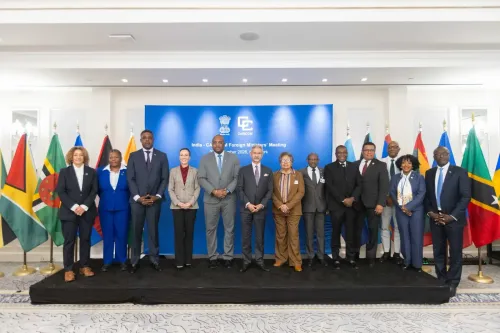
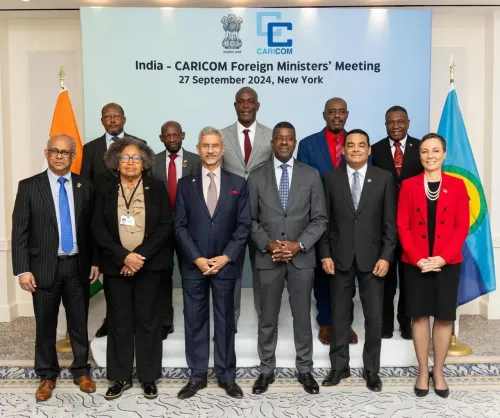
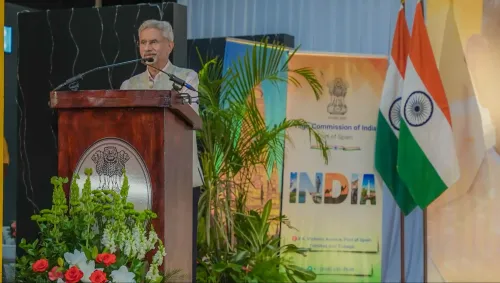
PM Modi became only the second Indian Prime Minister to visit the Caribbean in 2024, after a gap of 56 years, with a historic stop in Guyana where key instruments were agreed upon to advance comprehensive bilateral ties. His subsequent visit to Trinidad and Tobago marked the 180th anniversary of the arrival of indentured Indian immigrants in 1845, lending the engagement deep historical resonance. External Affairs Minister S. Jaishankar further reinforced momentum through recent visits to Jamaica, Suriname, and Trinidad and Tobago, holding talks with national leaders to strengthen bilateral partnerships.
The Seven-Pillar Framework
At the second CARICOM-India summit, co-chaired by PM Modi and Grenada's Prime Minister Dickon Mitchell with participation from all CARICOM leaders, India presented a wide-ranging cooperation blueprint. Under capacity building, Modi announced 1,000 IT scholarships, a proposed regional forensic centre, expansion of India's technology centre in Belize, and online training for civil servants.
On agriculture and food security, India offered to share advances in agricultural technology and promote millet cultivation for nutrition and sustainability. In renewable energy and climate change, CARICOM member states were invited to join the International Solar Alliance (ISA) and the Global Biofuel Alliance.
Digital Economy and Ocean Security
Under the innovation and technology pillar, India proposed sharing its Unified Payments Interface (UPI) digital payment system, the eMarketplace model, and 'Stack' infrastructure to support small and medium enterprises. On ocean economy and maritime security, India positioned CARICOM nations as 'large ocean countries' with significant marine resource potential, pledging support against piracy and trafficking.
In medicines and healthcare, the summit envisioned affordable healthcare solutions through India's Janaushadi scheme, telehealth programmes, advanced cancer treatment technologies, and adoption of the Indian Pharmacopoeia to reduce healthcare costs across the region.
Strategic Significance for the Caribbean
Ambassador Maraj noted that with India now ranked as the world's fourth largest economy, the partnership offers substantial opportunity for CARICOM nations. 'There is enormous opportunity here for the Caribbean Community. In today's world of increasing geopolitical uncertainties, it is good to have India as CARICOM's friend,' Maraj wrote. This comes amid a broader Indian diplomatic push across the Global South, with the Caribbean engagement reflecting New Delhi's ambition to build influence beyond its immediate neighbourhood.
Point of View
But the seven-pillar framework signals something more calculated — a structured bid to export India's digital and development stack to a region traditionally within Western and Chinese spheres of influence. The UPI and Janaushadi offerings are not just goodwill; they are platform plays that could entrench Indian systems in Caribbean governance and commerce. The real test is follow-through: past South-South cooperation announcements have frequently stalled at the MoU stage. Whether the 1,000 IT scholarships and the regional forensic centre materialise on schedule will determine whether this is strategic depth or diplomatic theatre.
NationPress
11 Oct 2026
Frequently Asked Questions
What is the CARICOM-India seven-pillar framework announced by PM Modi?
It is a cooperation blueprint presented by PM Modi at the second CARICOM-India summit, covering capacity building, agriculture and food security, renewable energy, innovation and technology, ocean economy and maritime security, medicines and healthcare, and climate change. Key commitments include 1,000 IT scholarships, UPI sharing, and affordable healthcare through the Janaushadi scheme.
When did PM Modi visit the Caribbean and why was it significant?
PM Modi visited the Caribbean in 2024, becoming only the second Indian Prime Minister to do so after a gap of 56 years. His visit to Guyana produced key bilateral agreements, while his stop in Trinidad and Tobago coincided with the 180th anniversary of the arrival of indentured Indian immigrants in 1845.
What role did EAM Jaishankar play in strengthening India-CARICOM ties?
External Affairs Minister S. Jaishankar visited Jamaica, Suriname, and Trinidad and Tobago, holding talks with national leaders to enhance bilateral partnerships and build on the momentum generated by PM Modi's 2024 Caribbean visits.
How does India plan to support healthcare in the Caribbean?
India has proposed sharing affordable healthcare solutions through its Janaushadi scheme, telehealth programmes, advanced cancer treatment technologies, and adoption of the Indian Pharmacopoeia — all aimed at reducing healthcare costs across CARICOM member states.
Why is the India-CARICOM partnership considered strategically important now?
With India now the world's fourth largest economy, Trinidad and Tobago's Ambassador to CARICOM Ralph Maraj has argued that the partnership offers CARICOM nations significant economic opportunity and a reliable partner amid rising global geopolitical uncertainties.