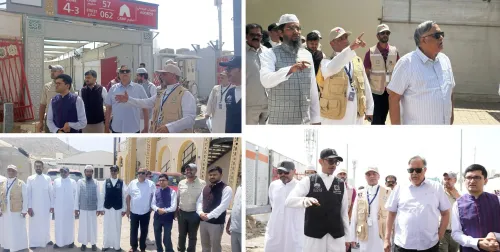
Indian Ambassador Inspects Haj 2026 Arrangements in Makkah

Synopsis
India's Ambassador Suhel Khan personally inspected Haj 2026 arrangements in Makkah and welcomed the first pilgrim batch arriving by high-speed train from Madinah. With smart wristbands, a 20-day Haj option, Rs 6.25 lakh insurance, and 60,000 rail-connected pilgrims, this year marks India's most tech-forward Haj operation ever.
Key Takeaways
Ambassador Suhel Khan visited Makkah on April 27, 2025 , to inspect arrangements for Indian Haj 2026 pilgrims and welcomed the first pilgrim batch from Madinah.
Approximately 60,000 Indian pilgrims will use the Haramain High-Speed Railway connecting Makkah, Madinah, and Jeddah for the first time at this scale.
A short-duration Haj option of ~20 days has been introduced for Haj 2026 , offering greater flexibility to pilgrims unable to undertake longer stays.
Insurance coverage for each Indian pilgrim has been raised to approximately Rs 6.25 lakh , strengthening financial and health protection during the journey.
New Haj Suvidha smart wristbands and an upgraded Haj Suvidha App will enable real-time tracking and digital assistance for pilgrims throughout the season.
Haj operations will be managed through 17 embarkation points across India, with the first batch departing Delhi Airport on April 18, 2025 .
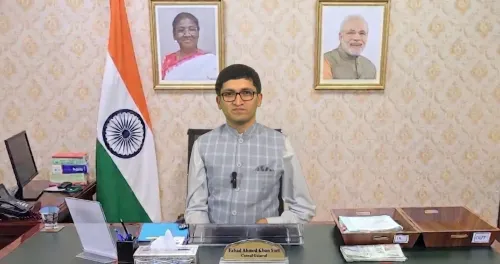
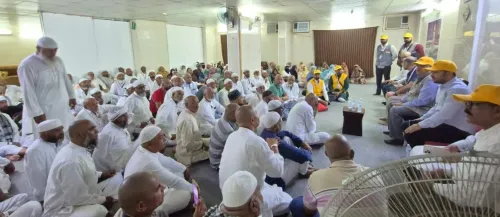
India's Ambassador to Saudi Arabia, Suhel Khan, visited Makkah on Sunday, April 27, 2025, to personally oversee the logistical and welfare arrangements in place for Indian Haj 2026 pilgrims. The ambassador also welcomed the first group of Indian pilgrims who arrived in Makkah from Madinah aboard the Haramain High-Speed Railway, marking a significant step in modernising the pilgrimage experience for Indian nationals.
Consul General of India in Jeddah, Fahad Suri, and Consul Haj Sadaf Choudhary accompanied the ambassador during the inspection, according to an official statement shared by the Indian Embassy in Saudi Arabia on X (formerly Twitter).
High-Speed Rail Connectivity Transforms Haj Travel
A major highlight of Haj 2026 is the expanded use of the Haramain High-Speed Railway, which connects Makkah, Madinah, and Jeddah. The Indian Embassy confirmed that approximately 60,000 Indian pilgrims will benefit from this rail network, drastically cutting travel time while making the journey safer and more comfortable.
This is a notable upgrade from previous years when road-based transport was the primary mode of inter-city travel for pilgrims, often resulting in congestion and fatigue during the spiritually intensive journey.
Key Initiatives for Indian Pilgrims in Haj 2026
The Government of India has rolled out a comprehensive set of welfare measures for Haj 2026. The upgraded Haj Suvidha App now offers enhanced digital services, while newly introduced Haj Suvidha smart wristbands will help authorities locate and assist pilgrims in real time — a critical safety tool given the massive scale of the annual pilgrimage.
For the first time ever, a short-duration Haj option of approximately 20 days has been introduced, offering greater scheduling flexibility for pilgrims who cannot undertake the traditional longer stay. This is expected to open the pilgrimage to a wider demographic, including working professionals and senior citizens with health constraints.
Insurance coverage has been significantly enhanced to approximately Rs 6.25 lakh per pilgrim, providing stronger financial and medical security throughout the journey.
Infrastructure and Accommodation Upgrades
Authorities have arranged hotel-style accommodation in Makkah, a step up from earlier lodging facilities. Improved real-time monitoring systems, dedicated grievance redressal mechanisms, enhanced medical screening, and stronger healthcare support have all been integrated into this year's operations.
Better coordination for transport and accommodation services within Saudi Arabia ensures that pilgrims face minimal logistical hurdles once they arrive in the holy land.
Departure Points and Operational Scale
Haj operations for 2026 will be conducted through 17 embarkation points across India, covering major cities including Delhi, Mumbai, Lucknow, Hyderabad, Kolkata, Bengaluru, and Srinagar. The first batch of pilgrims had already departed from Delhi Airport on April 18, with Chairperson of the Delhi Haj Committee, Kausar Jahan, present to mark the occasion.
This multi-city departure framework ensures regional accessibility and reduces the logistical burden on pilgrims from Tier-2 and Tier-3 cities who would otherwise need to travel to a single national hub.
Government's Commitment to Pilgrim Welfare
The Indian government has stated that pilgrim welfare remains its highest priority during the Haj 2026 season, with continuous coordination maintained with Saudi Arabian authorities throughout the pilgrimage period. Pilgrims have been advised to strictly follow all official guidelines and travel advisories to ensure a safe and spiritually fulfilling experience.
This year's initiatives collectively represent one of the most technology-driven and welfare-focused Haj operations India has undertaken, with digital tools, insurance enhancements, and infrastructure upgrades converging to serve the estimated 1.75 lakh-plus Indian pilgrims expected to perform Haj in 2026. As the pilgrimage season progresses through May and June 2026, the Embassy is expected to ramp up ground-level support and real-time assistance for all Indian nationals in the holy cities.
Point of View
High-speed rail integration, and a short-duration Haj option reflects a government increasingly treating pilgrimage logistics as a strategic service delivery challenge, not just a religious obligation. What's worth watching, however, is whether these upgrades reach the most vulnerable pilgrims — elderly, first-time, and economically weaker travellers from smaller cities — or remain concentrated among those already navigating the system confidently. The real test of Haj 2026's success will be measured not in press releases, but in the experience of the pilgrim from a small town who has waited years for this journey.
NationPress
2 Oct 2026
Frequently Asked Questions
What did India's Ambassador do during his Makkah visit for Haj 2026?
India's Ambassador to Saudi Arabia, Suhel Khan, visited Makkah on April 27, 2025, to inspect welfare and logistical arrangements for Indian Haj pilgrims. He also personally received the first batch of Indian pilgrims arriving from Madinah via the Haramain High-Speed Railway.
How many Indian pilgrims will use the Haramain High-Speed Railway in Haj 2026?
Approximately 60,000 Indian pilgrims are expected to use the Haramain High-Speed Railway for travel between Makkah, Madinah, and Jeddah during Haj 2026. This significantly reduces travel time and improves comfort compared to road transport.
What is the Haj Suvidha smart wristband introduced for Haj 2026?
The Haj Suvidha smart wristband is a newly introduced wearable device for Indian pilgrims that enables real-time location tracking and assistance during Haj 2026. It is part of India's broader digital welfare initiative alongside the upgraded Haj Suvidha App.
What is the insurance coverage for Indian Haj pilgrims in 2026?
The Indian government has increased insurance coverage to approximately Rs 6.25 lakh per pilgrim for Haj 2026, providing enhanced financial and health security throughout the pilgrimage. This is a significant increase from previous years.
From how many cities can Indian pilgrims depart for Haj 2026?
Indian pilgrims can depart for Haj 2026 from 17 embarkation points across India, including Delhi, Mumbai, Lucknow, Hyderabad, Kolkata, Bengaluru, and Srinagar. This decentralised approach ensures regional accessibility and smoother logistics for pilgrims nationwide.