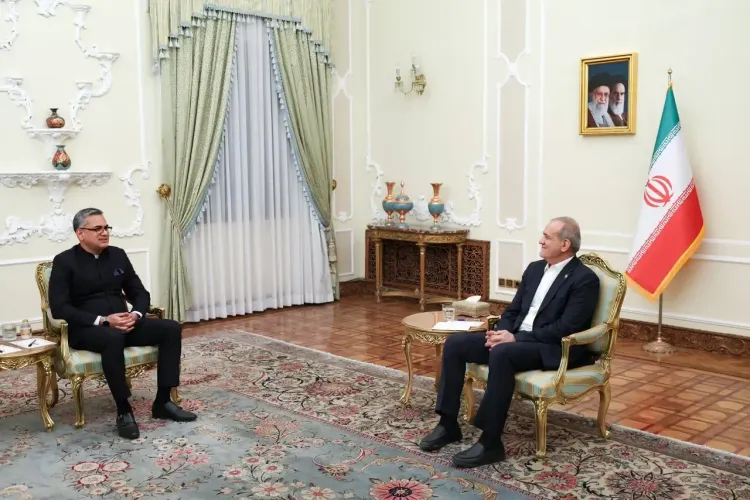
Indian envoy Vishwesh Negi presents credentials to Iran's Pezeshkian, reaffirms bilateral ties
Synopsis
India's new Ambassador Vishwesh Negi formally presented credentials to Iranian President Pezeshkian in Tehran on 6 October — the latest move in a diplomatic reset that included Pezeshkian's first-ever India visit for the BRICS Summit in September and a personal invitation to PM Modi to visit Tehran. The India-Iran relationship is quietly gaining momentum.
Key Takeaways
Vishwesh Negi presented his credentials as India's Ambassador to Iran to President Masoud Pezeshkian in Tehran on 6 October 2026 .
Negi assumed charge as Ambassador on 3 September 2026 , previously serving as Joint Secretary, Oceania and Indo-Pacific at the MEA.
President Pezeshkian visited India for the 18th BRICS Summit on 12-13 September 2026 — his first-ever visit to India.
Pezeshkian met both President Droupadi Murmu and PM Narendra Modi during his New Delhi visit, discussing bilateral ties and regional issues.
Pezeshkian extended a personal invitation to PM Modi to visit Iran , signalling further diplomatic momentum.
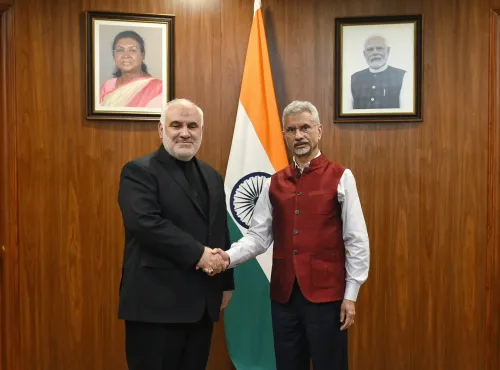
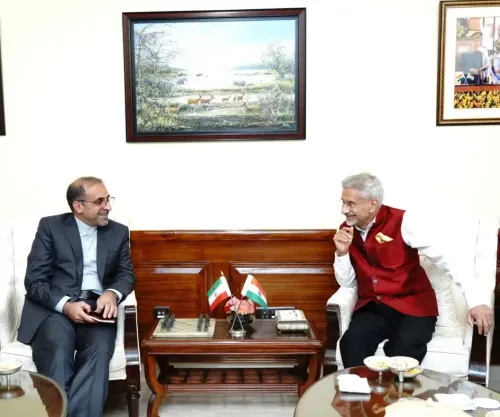
India's newly appointed Ambassador to Iran, Vishwesh Negi, on Tuesday, 6 October 2026, formally presented his credentials to Iranian President Masoud Pezeshkian in Tehran, reaffirming New Delhi's commitment to deepening the India-Iran bilateral partnership. The ceremony marks a significant step in consolidating diplomatic ties between the two countries following a period of high-level engagement.
The Credential Ceremony
The Indian Embassy in Iran confirmed the event, stating that Ambassador Negi 'reiterated India's commitment to further strengthening the India-Iran partnership and advancing the vision set out by the leadership of both countries.' Negi had assumed charge as India's Ambassador to Iran on 3 September 2026, arriving from a posting as Joint Secretary, Oceania and Indo-Pacific, at the Ministry of External Affairs (MEA) in New Delhi.
Context: Recent High-Level Diplomatic Activity
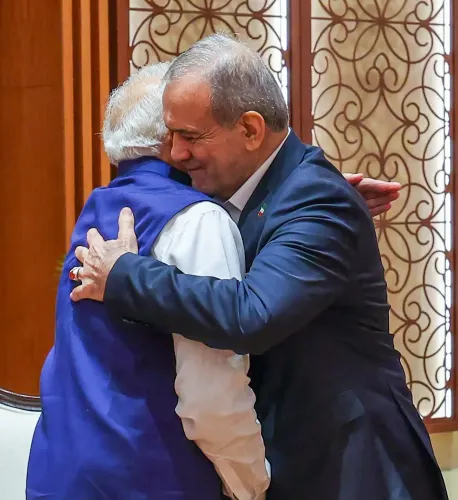
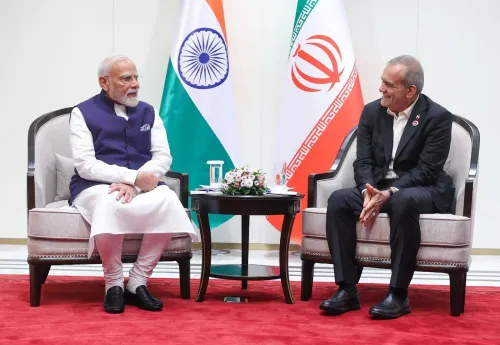
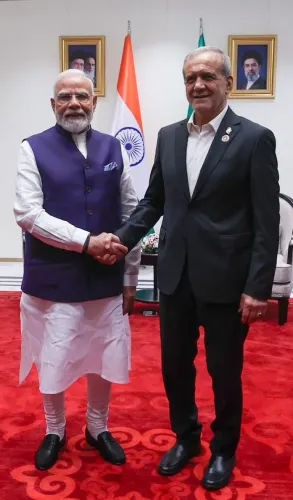
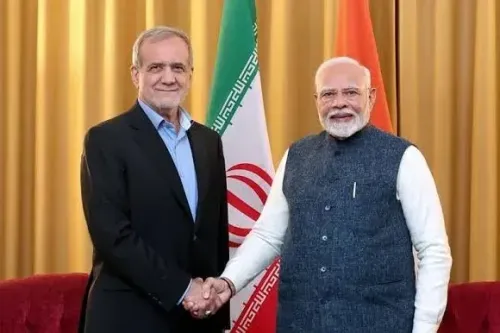
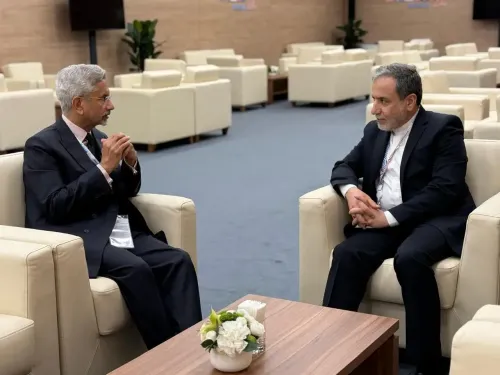
The credential presentation comes just weeks after President Pezeshkian visited India to attend the 18th BRICS Summit held in New Delhi on 12-13 September 2026 — his first-ever visit to India. During that visit, Pezeshkian met both President Droupadi Murmu at Rashtrapati Bhavan and Prime Minister Narendra Modi, signalling a warming of bilateral ties at the highest level. Notably, prior to departing India, Pezeshkian extended an invitation to Prime Minister Modi to visit Tehran, saying, 'Goodbye, my dear friend. I look forward to seeing you in Iran very soon,' according to a post shared by the Iranian Embassy on X.
What Modi and Pezeshkian Discussed
During his September meeting in New Delhi, PM Modi and President Pezeshkian discussed bilateral relations and the prevailing regional situation. Modi described the visit as particularly meaningful: 'This visit is more special because it is his first visit to India,' Modi posted on X. 'We talked about the India-Iran friendship. We believe that we should move forward with a long-term and win-win strategy. The prevailing situation in the region was also discussed. India remains steadfast in its commitment to the pursuit of enduring peace,' he added. President Murmu, for her part, 'reiterated India's commitment to the pursuit of enduring peace through dialogue and diplomacy,' according to the President's Secretariat.
Why India-Iran Ties Matter
India-Iran relations carry significant strategic weight — from the Chabahar Port project, which serves as India's gateway to Central Asia and Afghanistan bypassing Pakistan, to energy trade and cultural ties rooted in centuries of civilisational exchange. This latest diplomatic activity, including the appointment of a new ambassador and back-to-back leader-level meetings, suggests both sides are keen to advance a structured, long-term engagement framework. With a potential Modi visit to Tehran on the horizon, the bilateral relationship appears poised for a new chapter.
Point of View
But the diplomatic backdrop gives it greater weight than routine. Pezeshkian's first-ever India visit — timed to the BRICS Summit — and his public invitation to Modi suggest Tehran is actively courting a closer relationship at a moment when Iran faces mounting Western pressure. For India, the calculus is familiar: strategic autonomy demands engagement with Tehran for Chabahar access and energy diversification, even as New Delhi balances ties with Washington and Gulf partners. The real signal to watch is whether Modi actually travels to Tehran — that visit, if it happens, will be the true measure of how far this reset goes.
NationPress
6 Oct 2026
Frequently Asked Questions
Who is Vishwesh Negi and what is his role in Iran?
Vishwesh Negi is India's newly appointed Ambassador to the Islamic Republic of Iran, having assumed charge on 3 September 2026. Before this posting, he served as Joint Secretary, Oceania and Indo-Pacific, at India's Ministry of External Affairs.
Why did Indian Ambassador Negi present credentials to Pezeshkian?
Presenting credentials to the host country's head of state is a formal diplomatic protocol that officially recognises an envoy's appointment and authority to represent their country. Negi's credential presentation to President Pezeshkian on 6 October 2026 formally activated his ambassadorial role in Tehran.
When did Iran's President Pezeshkian visit India?
President Masoud Pezeshkian visited India on 12-13 September 2026 to attend the 18th BRICS Summit held in New Delhi. It was his first-ever visit to India, during which he met both PM Narendra Modi and President Droupadi Murmu.
Has Iran invited PM Modi to visit Tehran?
Yes. Prior to departing India after the BRICS Summit, President Pezeshkian publicly invited PM Modi to visit Iran, saying 'I look forward to seeing you in Iran very soon,' according to a post shared by the Iranian Embassy on X. No date for such a visit has been confirmed.
Why are India-Iran relations significant?
India-Iran ties are strategically important primarily because of the Chabahar Port project, which gives India access to Central Asia and Afghanistan while bypassing Pakistan. Beyond connectivity, the relationship encompasses energy trade and deep cultural and civilisational links spanning centuries.