India tightens AI deepfake rules; 11.37 lakh trained in cyber security workshops
Synopsis
India has amended the IT Rules, 2021 to mandate labelling and traceable metadata for AI-generated content, while approving 13 deepfake detection projects from IITs and reaching over 11.37 lakh citizens through cyber security workshops — one of the most comprehensive domestic AI governance pushes to date.
Key Takeaways
The IT Rules, 2021 were amended in February 2026 to address harms from synthetically generated information, including deepfakes.
Intermediaries must now ensure clear labelling and traceable metadata for permissible AI-generated content.
The government has approved 13 responsible AI projects for deepfake detection, including Saakshya (IIT Jodhpur and IIT Madras) and a voice deepfake system by IIT Kharagpur .
6,650 cyber security workshops under the ISEA project have reached more than 11.37 lakh people , including students, teachers, and law enforcement.
CERT-In regularly issues guidelines and awareness material on AI-related threats including deepfakes.
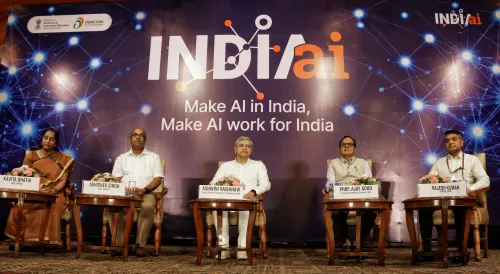
The initiatives fall under the Safe and Trusted AI pillar of the IndiaAI Mission .
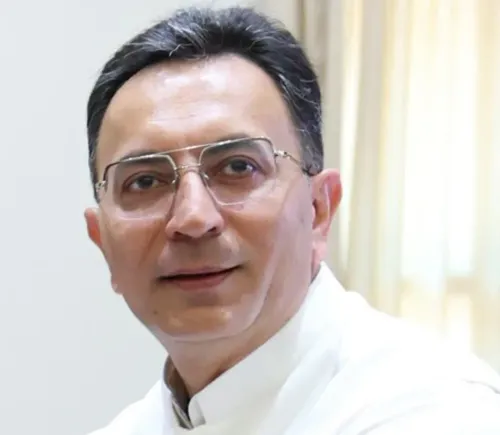
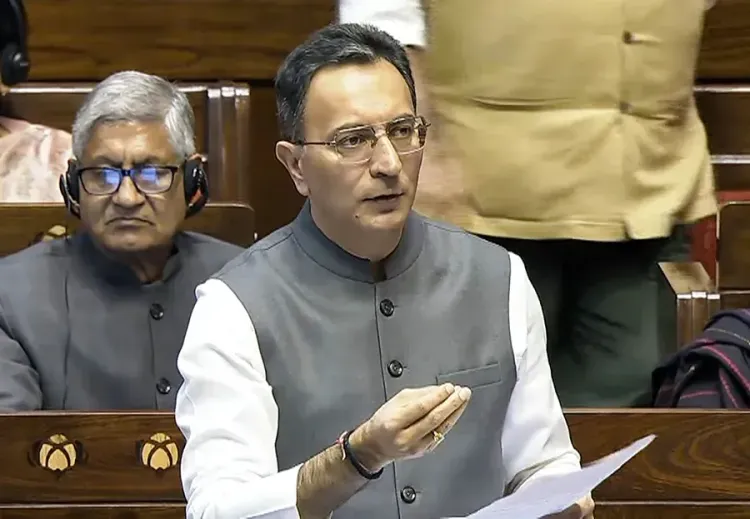
The Central government has rolled out a multi-pronged strategy to combat AI-generated deepfakes, combining legal reforms, platform accountability mandates, and large-scale public awareness drives, according to an official statement issued on Thursday, 30 July. Minister of State for Electronics and Information Technology Jitin Prasada disclosed the details in Lok Sabha, revealing that 6,650 cyber security awareness workshops have reached more than 11.37 lakh people across the country.
Regulatory Reforms: IT Rules Amended
The government strengthened its regulatory framework by amending the IT Rules, 2021 in February 2026 to specifically address harms arising from synthetically generated information (SGI), including deepfakes and other AI-generated content. Under the revised rules, intermediaries are now required to ensure clear labelling and traceable metadata for all permissible AI-generated content, enabling users to distinguish synthetic material from authentic content and reducing the risk of deception or misuse. This marks a significant shift toward platform-level accountability, moving responsibility upstream to the companies hosting and distributing such content.
13 Deepfake Detection Projects Approved
On the technology front, the government has approved 13 responsible AI projects specifically focused on deepfake detection. Key initiatives include Saakshya, a multi-agent detection framework developed jointly by IIT Jodhpur and IIT Madras. Other notable projects are AI Vishleshak, aimed at improving audio-visual forgery detection, and a Real-Time Voice Deepfake Detection System developed by IIT Kharagpur. These projects fall under the Safe and Trusted AI pillar of the IndiaAI Mission, which promotes responsible AI development through indigenous governance frameworks, standards, and evaluation mechanisms.
Mass Awareness Under the ISEA Project
The 6,650 workshops are part of the government's Information Security Education and Awareness (ISEA) project, designed to build human resources in information security and foster broad cyber hygiene awareness. Participants span a wide demographic — school and college students, teachers, law enforcement personnel, government staff, and the general public. Multilingual awareness materials, including handbooks, short videos, posters, brochures, and cartoon stories for children, have been published and distributed across print, electronic, and social media platforms.
CERT-In's Role in Threat Advisories
The Indian Computer Emergency Response Team (CERT-In) has also been active on the deepfake threat front, regularly issuing guidelines on AI-related risks and countermeasures. The agency shares safety tips, infographics, awareness posters, and videos through its official website and social media handles. This comes amid a global surge in AI-generated misinformation, with deepfake incidents increasingly being used for financial fraud, reputational attacks, and political manipulation — making India's regulatory response part of a broader international trend toward AI governance.
With the amended IT Rules now in force and detection technologies under active development, the government's next challenge will be ensuring enforcement keeps pace with the rapidly evolving capabilities of generative AI tools.
Point of View
But one whose effectiveness depends entirely on enforcement. Mandating metadata traceability is only meaningful if CERT-In and the Ministry of Electronics and IT have the audit capacity to verify compliance at scale. The 13 IIT-led detection projects are promising, but academic prototypes and production-grade deployment are very different things. Meanwhile, 11.37 lakh workshop attendees, while a credible number, represent a fraction of India's 900-million-plus internet user base. The governance architecture is taking shape; the execution gap remains wide.
NationPress
13 Sept 2026
Frequently Asked Questions
What changes did India make to its deepfake laws in 2026?
The government amended the IT Rules, 2021 in February 2026 to specifically address synthetically generated information (SGI), including deepfakes. Intermediaries are now required to apply clear labelling and traceable metadata to permissible AI-generated content so users can identify it.
What is the ISEA project and who does it cover?
The Information Security Education and Awareness (ISEA) project is a government initiative to build cyber security human resources and spread cyber hygiene awareness. It has conducted 6,650 workshops reaching over 11.37 lakh people , including students, teachers, law enforcement, government staff, and the general public.
Which IITs are working on deepfake detection in India?
IIT Jodhpur and IIT Madras jointly developed Saakshya , a multi-agent deepfake detection framework. IIT Kharagpur is developing a Real-Time Voice Deepfake Detection System. These are among 13 responsible AI projects approved by the government for deepfake detection.
What is the IndiaAI Mission's role in tackling deepfakes?
The Safe and Trusted AI pillar of the IndiaAI Mission promotes responsible AI development through indigenous governance frameworks, standards, tools, and evaluation mechanisms. The deepfake detection projects and regulatory reforms are aligned with this pillar.
What is CERT-In doing about AI deepfake threats?
CERT-In regularly issues guidelines on AI-related threats and countermeasures, including deepfakes. It distributes safety tips, infographics, awareness posters, and videos through its official website and social media channels.