BIS certification rules to ease for semiconductor, AI firms: Piyush Goyal
Synopsis
India is set to dismantle one of the most persistent regulatory barriers for high-tech manufacturers: BIS certification delays. Commerce Minister Piyush Goyal's Tokyo announcement signals that New Delhi is willing to offer sector-, company-, and project-level exemptions — a significant policy shift that could accelerate India's semiconductor and AI manufacturing ambitions and deepen its strategic technology partnership with Japan.
Key Takeaways
Commerce Minister Piyush Goyal announced plans to ease BIS certification requirements for semiconductor and AI firms on Tuesday, 25 August , in Tokyo .
The proposed framework could offer exemptions at the sector, company, product, or project level.
The Ministry of Commerce and Industry and BIS have already been directed to develop the facilitation framework.
Goyal assured Japanese companies of support from both the Centre and state governments for manufacturing in India.
India aims to become a global electronics manufacturing hub , with Japanese firms expected to contribute through technology, investment, and supply-chain partnerships.
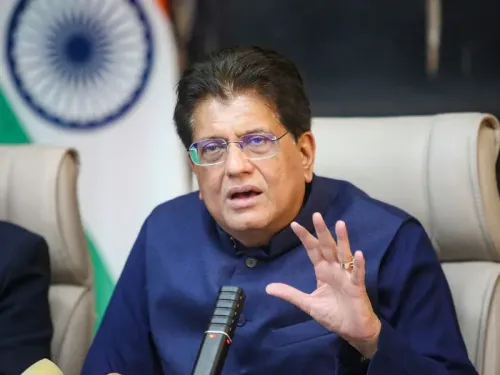
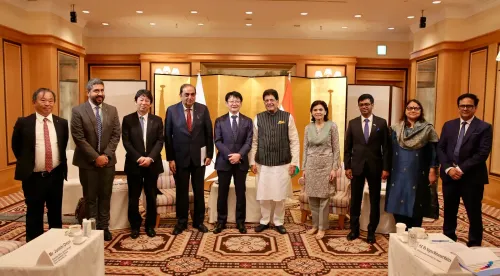
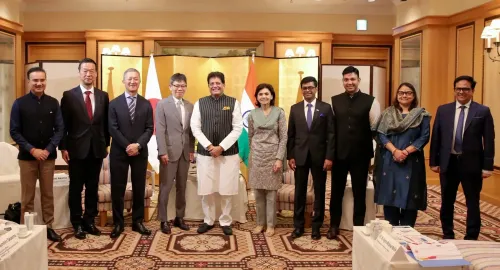
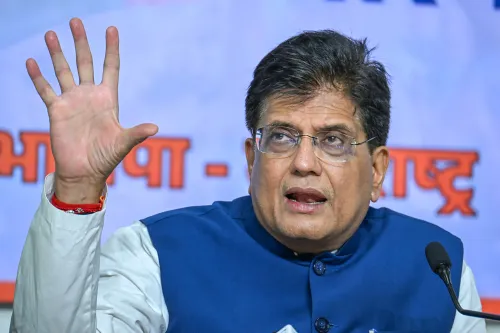
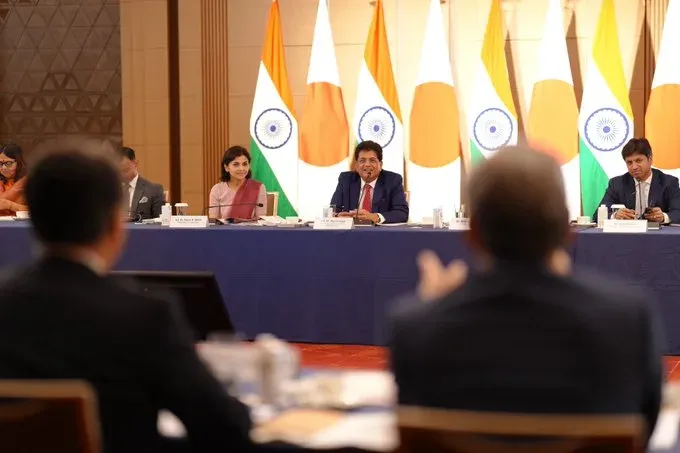
Commerce and Industry Minister Piyush Goyal on Tuesday announced that India is developing a framework to ease Bureau of Indian Standards (BIS) certification requirements for high-tech companies — including semiconductor and artificial intelligence firms — seeking to set up manufacturing operations in the country. The announcement came during a roundtable on semiconductors and AI held in Tokyo.
What Goyal Announced
Speaking to industry representatives in Tokyo, Goyal said the Ministry of Commerce and Industry and BIS have already been directed to develop a facilitation framework for the entry of specialised equipment and components required by high-tech manufacturers. The proposed framework could allow exemptions at multiple levels — by sector, company, product, or project — depending on industry requirements.
'We will work on the framework as I get back to India and find a solution for bulk exemption or product or project-wise exemption or company-wide exemption,' Goyal said.
India's Push to Become an Electronics Hub
'We would like to make India a global electronics manufacturing hub,' Goyal said, adding that the government would also assist companies in identifying suitable partners and investors within the country. He assured Japanese firms that they would receive support from both the Centre and state governments as they explore manufacturing opportunities in India.
Goyal emphasised that the objective was to ensure timely availability of products, goods, and services for companies establishing manufacturing facilities, while addressing regulatory concerns that could otherwise impede their operations.
India-Japan Strategic Alignment
The minister also underscored the growing strategic alignment between India and Japan, describing the bilateral relationship as presenting significant opportunities for deeper cooperation in advanced technologies and manufacturing. Japanese companies are expected to play a key role through technology transfer, investment, and supply-chain partnerships.
India has been actively working to build a robust semiconductor ecosystem and attract global technology firms as it scales up domestic electronics manufacturing and chip-making capabilities. This is the Centre's latest step in a broader push to reduce import dependence and position India as a credible alternative in global tech supply chains.
Why BIS Certification Has Been a Bottleneck
Industry representatives had flagged concerns over BIS certification requirements, particularly for specialised equipment and components that high-tech manufacturers need to import. For semiconductor and AI hardware firms, compliance timelines can delay equipment procurement by months — a critical friction point when competing with established hubs like Taiwan, South Korea, and Vietnam. The proposed exemption framework, if implemented effectively, could significantly reduce this barrier.
What Comes Next
Goyal indicated that work on the framework will begin upon his return to New Delhi. No specific timeline for implementation has been announced yet. The semiconductor sector has already been identified as a national priority, and the framework is expected to complement existing incentive schemes targeting chip manufacturing and electronics production in India.
Point of View
Automatic or discretionary — will determine whether this moves the needle for semiconductor and AI hardware firms, or becomes another announcement that stops at the roundtable stage. With Taiwan, South Korea, and Vietnam all aggressively courting the same companies, India cannot afford a slow follow-through.
NationPress
9 Oct 2026
Frequently Asked Questions
What are the proposed changes to BIS certification rules for high-tech firms in India?
The Indian government is developing a framework to ease Bureau of Indian Standards (BIS) certification requirements for semiconductor and AI companies. The framework could allow exemptions at the sector, company, product, or project level, reducing regulatory barriers for firms importing specialised equipment for manufacturing in India.
Why is BIS certification a concern for semiconductor and AI manufacturers?
BIS certification requirements can delay the procurement of specialised equipment and components by several months, making India a less competitive destination compared to established tech manufacturing hubs. High-tech firms need faster regulatory clearances to meet global supply-chain timelines.
Where did Piyush Goyal make this announcement?
Commerce and Industry Minister Piyush Goyal made the announcement on Tuesday, 25 August, at a roundtable on semiconductors and AI held in Tokyo, Japan, where he was engaging with Japanese industry representatives.
What role is Japan expected to play in India's semiconductor push?
Japanese companies are expected to contribute through technology transfer, investment, and supply-chain partnerships as India builds out its semiconductor ecosystem. Goyal highlighted the growing strategic alignment between India and Japan in advanced technologies and manufacturing.
When will the new BIS exemption framework be implemented?
No specific implementation timeline has been announced. Goyal indicated that work on the framework will begin upon his return to New Delhi, with the Ministry of Commerce and Industry and BIS already directed to develop it.