Are Indian Students in Bangladesh Facing Rising Fear Amid Political Upheaval?
Synopsis
The plight of Indian medical students in Bangladesh has worsened as political chaos and anti-India sentiments rise. With over 9,000 Indian students feeling the brunt of this turmoil, fears of violence and insecurity dominate their academic lives. Explore how political shifts are affecting education in Bangladesh.
Key Takeaways
Political instability is creating an unsafe environment for Indian students.
The number of Indian medical students in Bangladesh exceeds 9,000 .
Recent attacks have heightened fears of violence against Indian nationals.
The upcoming national election is adding to the political tensions.
Education, ideally a safe space, is now impacted by external political factors.
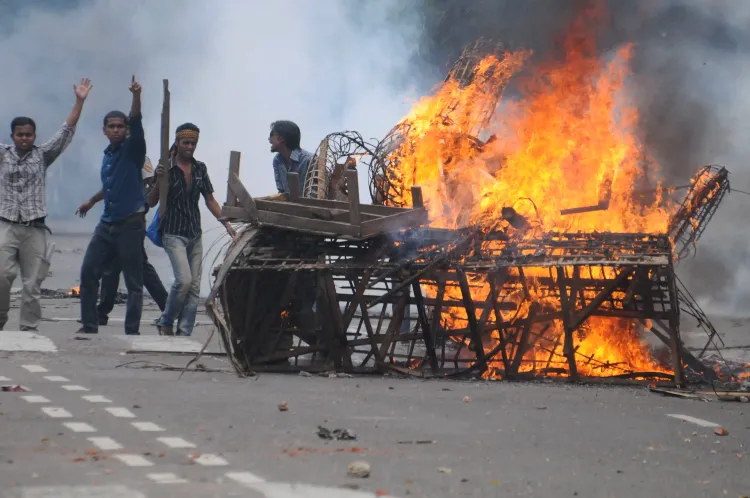
Dhaka, Jan 17 (NationPress) Fear has become a constant presence for thousands of Indian medical students studying in Bangladesh, as political instability and rising anti-India sentiment transform what was previously viewed as a secure and cost-effective location for higher education.
Currently, over 9,000 Indian medical students are pursuing their studies in Bangladesh, attracted by the nation’s relatively affordable tuition fees compared to the expensive private institutions in India. For many years, this arrangement flourished, with Indian students integrating seamlessly into the academic culture of Dhaka, according to The South Asian Times.
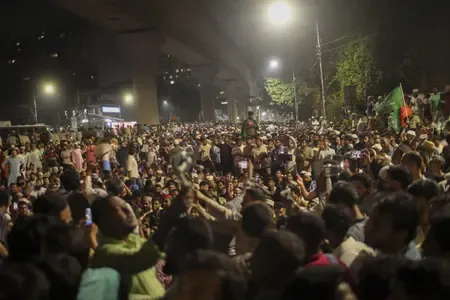
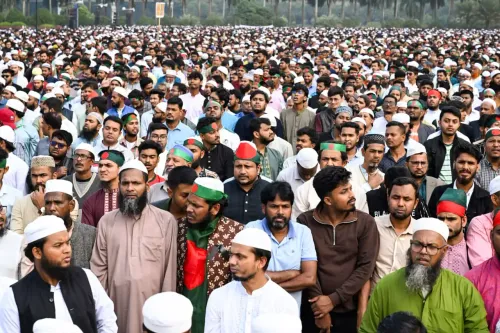
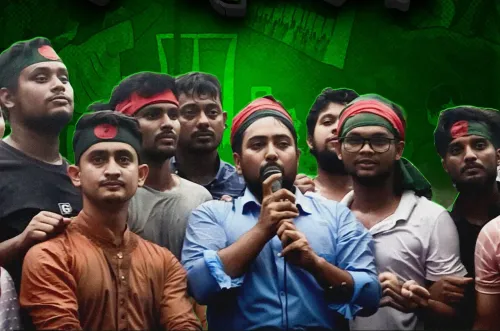
This equilibrium was shattered following the removal of Prime Minister Sheikh Hasina in August 2024, which was spurred by a student-led revolt and a harsh crackdown.
In December, an Indian student was assaulted by local gangs, resulting in the theft of his phone and wallet, an incident captured on CCTV. This attack reverberated through campuses, strengthening the belief that vulnerability is now linked to nationality. Students have reported enforcing self-imposed curfews, engaging in hushed conversations, and maintaining constant alertness.
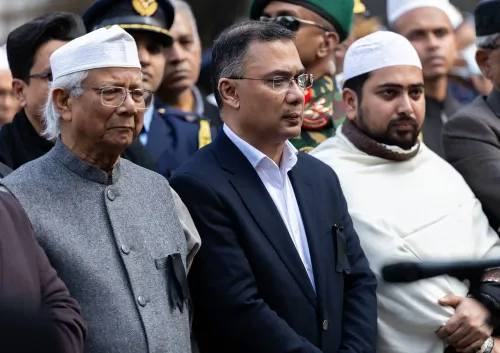
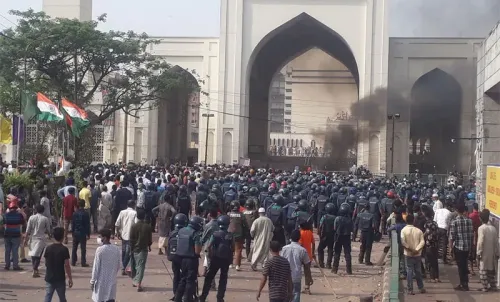
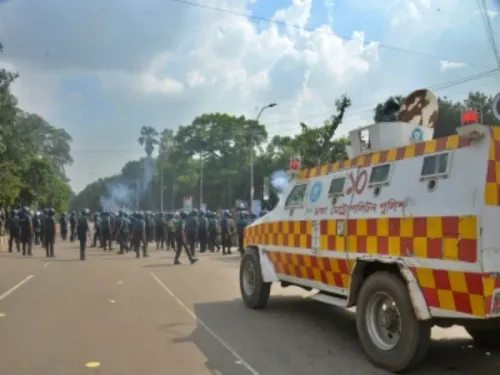
“What makes the current situation particularly tense is the timing. Bangladesh is approaching a national election amidst escalating political violence. There is a heightened presence of law enforcement and increased rhetoric. The interim government led by Muhammad Yunus claims that order is being upheld and that crime rates remain stable, asserting that foreigners are not under systematic threat. While these assurances may hold statistical validity, they offer little psychological comfort,” remarked M A Hossain, a political and defense analyst based in Bangladesh, in The South Asian Times.
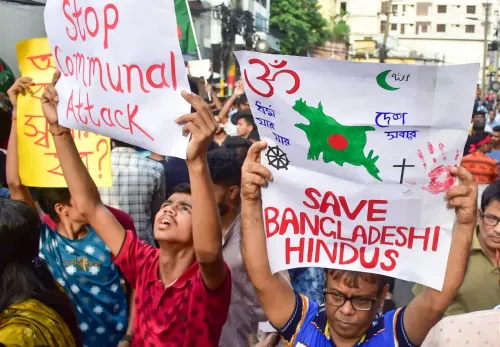
“For Indian Hindu students, the anxiety is compounded. Since Hasina’s removal, there has been a reported rise in attacks against religious minorities, especially Hindus. Dhaka contends that these incidents are politically motivated rather than communal. However, that distinction provides scant reassurance to a student whose examiner's demeanor changes when his identity is revealed. In politics, the impact often outweighs intent,” he elaborated.
With Indian students playing a vital role in contributing tuition revenue, academic collaboration, and goodwill towards Bangladeshi institutions, The South Asian Times highlights the significant stakes involved.
Education is traditionally viewed as a neutral space, insulated from political turbulence. Yet in Bangladesh today, that insulation is deteriorating. Degrees are postponed, futures are uncertain, and anxiety thrives in this state of limbo.
Point of View
It's important to highlight the complexities facing international students amid political unrest. The safety and well-being of these students are paramount, and their contributions to the local academic landscape cannot be overlooked. It's crucial for the government to address these concerns and ensure that education remains a sanctuary, free from the turmoil of politics.
NationPress
24 Sept 2026
Frequently Asked Questions
What is causing the fear among Indian students in Bangladesh?
The fear arises from political turmoil and increasing anti-India sentiment, particularly following the ousting of Prime Minister Sheikh Hasina.
How many Indian students are currently studying in Bangladesh?
There are more than 9,000 Indian medical students currently enrolled in various institutions across Bangladesh.
What incidents have heightened the anxiety among these students?
Recent violent incidents, including assaults by local gangs, have contributed to a pervasive sense of vulnerability among Indian students.
What is the current political climate in Bangladesh?
Bangladesh is experiencing heightened political violence and tensions as it approaches a national election, affecting the overall safety of students.
How is the government responding to these concerns?
The interim government claims to maintain order and insists that crime levels are stable, but this has not alleviated the psychological fears of students.