Small Hydro Power scheme launched: ₹2,584 crore to add 1,500 MW by 2031
Synopsis
India has committed ₹2,584.60 crore to add 1,500 MW of small hydro capacity by FY 2031 — a direct bet on a technology that can power remote and border regions where solar and wind fall short. With only a fraction of the country's 21 GW small hydro potential tapped, the real test is whether states can clear the bureaucratic logjams that have stalled this sector for years.
Key Takeaways
The Small Hydro Power (SHP) Development Scheme was launched on 9 June by the Ministry of New and Renewable Energy (MNRE) .
The scheme covers FY 2026-27 to FY 2030-31 with a financial outlay of ₹2,584.60 crore .
Target: installation of approximately 1,500 MW of new small hydro capacity.
India's total estimated small hydro potential stands at about 21 GW , with only a limited share harnessed to date.
SECI will serve as the National Programme Implementing Agency for the scheme.
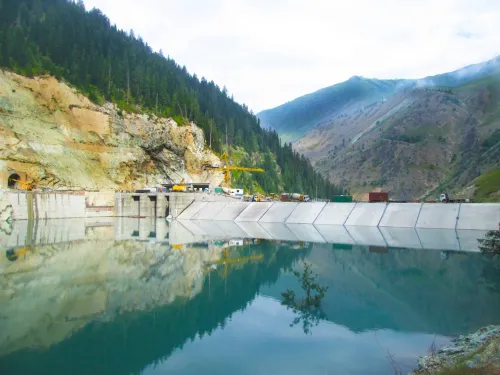
The scheme prioritises hilly, remote, and border regions to improve energy access and grid stability.
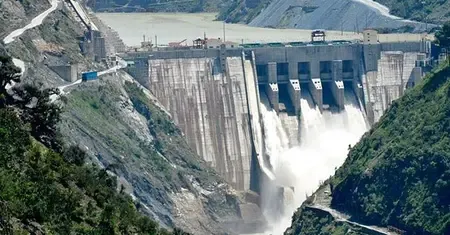
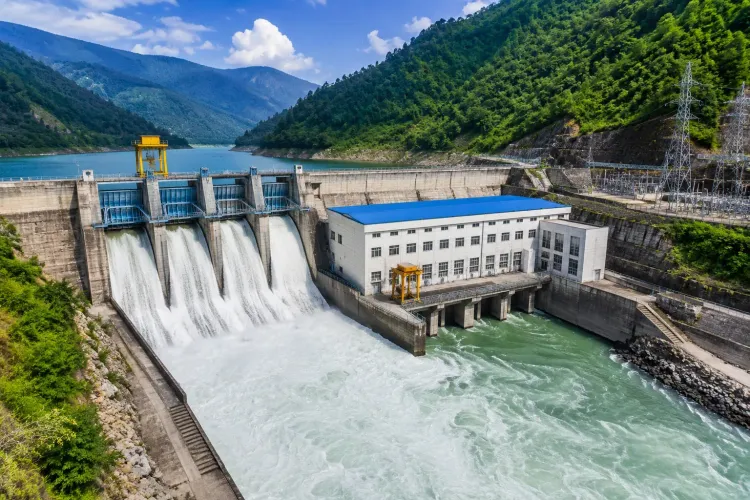
The Union government on Tuesday, 9 June launched the guidelines for the Small Hydro Power (SHP) Development Scheme covering FY 2026-27 to FY 2030-31, committing a financial outlay of ₹2,584.60 crore to accelerate small hydro project development across India. The scheme targets the installation of approximately 1,500 MW of new small hydro capacity, tapping into a national potential estimated at 21 GW — much of which remains unharnessed.
What the Scheme Covers
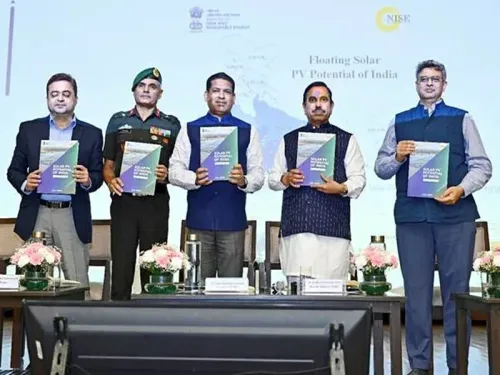
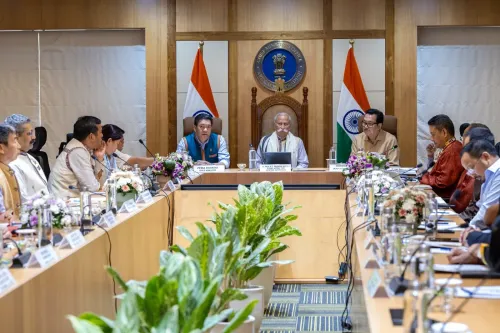
The guidelines, unveiled at a national workshop organised by the Ministry of New and Renewable Energy (MNRE), outline Central Financial Assistance (CFA) for project development, support for preparation of Detailed Project Reports (DPRs), assistance to technical institutions, and funding for capacity building, awareness programmes, international cooperation, and project monitoring.
The workshop brought together representatives from state governments, public sector undertakings, developers, technical institutions, and industry stakeholders associated with the small hydro power sector.
What the Government Said
Santosh Kumar Sarangi, Secretary, MNRE, told the gathering that India's clean energy transition requires diversification of renewable energy sources and greater focus on region-specific solutions. He described small hydro power as a 'mature, reliable and environmentally sustainable technology' that can strengthen energy security, promote rural development, and support balanced regional growth.
Sarangi noted that while India holds an estimated small hydro potential of about 21 GW, only a limited portion has been harnessed so far, leaving substantial scope for expansion. He urged states to proactively identify viable project sites, facilitate statutory clearances, and create an enabling environment for faster project implementation.
Focus on Remote and Border Regions
Rajesh Kulhari, Joint Secretary, MNRE, highlighted the scheme's importance in unlocking untapped hydro resources particularly in hilly, remote, and border regions. He said small hydro power can play a significant role in improving energy access, supporting local economic development, and enhancing grid stability — areas where large-scale renewable projects are often impractical.
SECI's Role as Implementing Agency
Akash Tripathi, Managing Director of Solar Energy Corporation of India Limited (SECI), underscored small hydro power's role in India's broader renewable energy transition. He stressed the need for close coordination among implementing agencies, developers, and state governments, and reiterated SECI's commitment to efficient implementation of the scheme in its capacity as the National Programme Implementing Agency.
Why This Matters
India has set ambitious renewable energy targets, and small hydro — with its round-the-clock generation capability and minimal land footprint — fills a critical gap that solar and wind cannot. This comes amid growing pressure on states to decarbonise remote grids where diesel generation remains common. The FY 2026-31 scheme is the latest in a series of MNRE-led pushes to mainstream small hydro, and its success will hinge on how quickly states move on site identification and clearances — historically the biggest bottleneck in this sector.
Point of View
But for lack of execution. The 21 GW figure has been cited in policy documents for over a decade, yet installed capacity remains a fraction of that. The new scheme's emphasis on DPR support and capacity building addresses real bottlenecks, but the harder problem — state-level statutory clearances and land access in fragile Himalayan ecosystems — is not solved by financial assistance alone. SECI's appointment as implementing agency brings execution credibility, but the scheme's five-year window will be tight if states do not move decisively on site identification in the first two years.
NationPress
26 Oct 2026
Frequently Asked Questions
What is the Small Hydro Power Development Scheme launched by the government?
It is a five-year scheme covering FY 2026-27 to FY 2030-31, launched by the Ministry of New and Renewable Energy with a ₹2,584.60 crore outlay to support installation of around 1,500 MW of new small hydro power capacity across India. The scheme provides Central Financial Assistance for project development, DPR preparation, capacity building, and project monitoring.
How much untapped small hydro power potential does India have?
India has an estimated small hydro power potential of approximately 21 GW, according to MNRE Secretary Santosh Kumar Sarangi. Only a limited portion has been harnessed so far, leaving substantial scope for future development particularly in hilly and remote regions.
Which agency will implement the Small Hydro Power scheme?
Solar Energy Corporation of India Limited (SECI) has been designated as the National Programme Implementing Agency for the scheme. SECI's Managing Director Akash Tripathi reiterated the organisation's commitment to efficient implementation at the launch workshop.
Which regions will the scheme prioritise?
The scheme particularly targets hilly, remote, and border regions where small hydro power can improve energy access and enhance grid stability. MNRE Joint Secretary Rajesh Kulhari highlighted these areas as having the most untapped hydro resources.
What financial support does the scheme provide to developers?
The scheme offers Central Financial Assistance for project development, funding for Detailed Project Report preparation, support to technical institutions, and grants for capacity building, awareness programmes, international cooperation, and project monitoring activities.