Indroda Nature Park deploys 15 coolers, 20 sprinklers to shield 600+ animals from Gujarat heat
Synopsis
With Gujarat baking in summer heat, Indroda Nature Park has turned its enclosures into climate-controlled zones — 15 air coolers, 20 sprinklers, vetiver curtains, and revised carnivore diets are together cutting habitat temperatures by up to 4°C. It is a rare, detailed look at what modern zoo welfare looks like when the mercury refuses to relent.
Key Takeaways
Indroda Nature Park , Gandhinagar , has deployed 15 jumbo air coolers and 20 high-pressure sprinklers to manage summer heat for its animals.
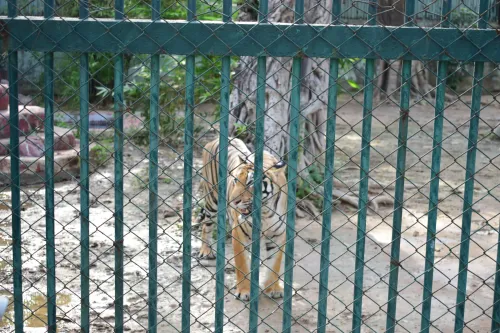
The park houses more than 600 animals , including three lions , two tigers , and three leopards .
Combined cooling measures have reduced habitat temperatures by 2°C to 4°C versus external conditions.
Carnivore daily food intake has been cut by 500 g to 1 kg to prevent heat-related digestive strain.
Herbivores and birds receive water-rich fruits and vitamin C oral rehydration solutions to maintain electrolyte balance.
Veterinary monitoring is available 24 hours a day ; measures will continue until the monsoon arrives.
Indroda Nature Park in Gandhinagar has rolled out an extensive heat-management programme covering more than 600 animals, deploying 15 jumbo air coolers and 20 high-pressure sprinklers as Gujarat endures sustained heatwave-like conditions this summer. The measures, active since April 2025, will remain in place until the monsoon arrives.
Cooling Infrastructure in Place
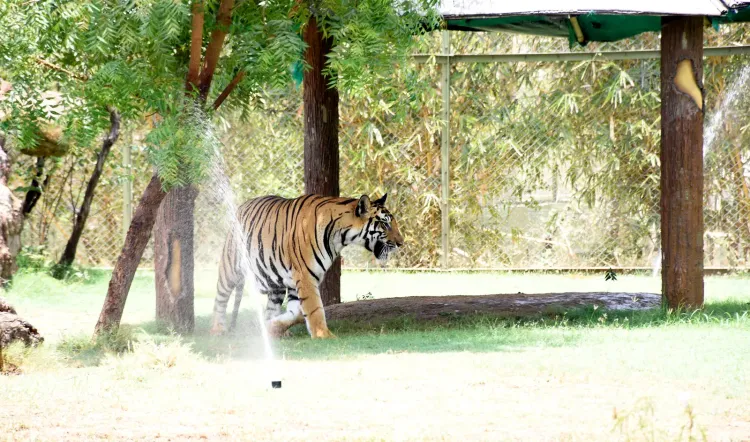
The 15 jumbo air coolers have been installed inside carnivore enclosures and the reptile house, operating during peak afternoon hours to regulate internal temperatures. The 20 high-pressure pop-up sprinklers run across open areas between 1 pm and 5 pm, generating continuous evaporative cooling.
Traditional methods complement the mechanical systems. Khus (vetiver) curtains, regularly moistened with water, convert hot incoming air into cooler airflow as it passes through enclosures. Agro-net shading structures have also been erected to limit direct sunlight exposure.
According to park management, the combined interventions have reduced temperatures inside animal habitats by approximately 2°C to 4°C compared to external conditions, effectively creating a controlled microclimate during the hottest hours of the day.
Animals Covered and Their Needs
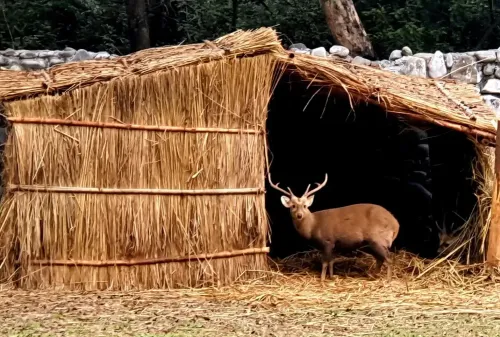
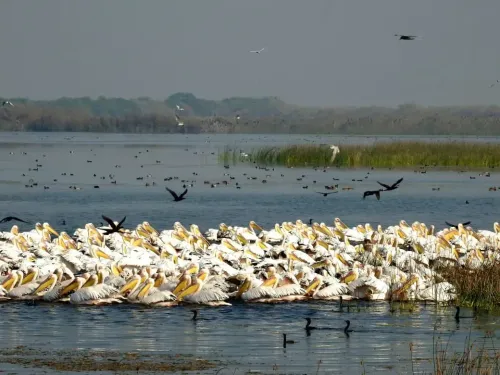
The park houses more than 600 animals, including three lions, two tigers, three leopards, freshwater crocodiles, porcupines, a variety of reptiles, and several bird species. A free-roaming population of Hanuman langurs, nilgai, peacocks, and porcupines also inhabits the forest area.
Multiple water points have been established across the forest zone for free-roaming wildlife, with regular cleaning and refilling to ensure uninterrupted access to drinking water through the summer.
Dietary and Veterinary Adjustments
Veterinary teams have revised animal diets in line with seasonal requirements. Daily food intake for carnivores has been reduced by approximately 500 grams to 1 kilogram to prevent digestive strain during extreme heat.
Herbivores and birds are receiving water-rich fruits including watermelon, muskmelon, and cucumber to boost hydration. Their feed has been supplemented with vitamin C-based oral rehydration solutions and multi-mineral vitamin mixtures to maintain electrolyte balance and reduce heat-illness risk.
Veterinary services are available on a 24-hour basis, with continuous surveillance by zoo staff and veterinary professionals, particularly during peak-heat periods.
Oversight and Authority
The programme has been implemented under the guidance of Gujarat Forest and Environment Minister Arjun Modhwadia and Minister of State Pravin Mali, and executed through the Gujarat Ecological Education and Research (GEER) Foundation.
As summer temperatures continue to bear down on the region, park authorities say the focus remains on sustaining stable conditions for both captive and free-roaming wildlife until the onset of the monsoon provides natural relief.
Point of View
Citing specific temperature reductions and dietary adjustments rather than vague assurances. Yet the 2°C–4°C reduction benchmark also raises a question: what is the baseline threshold at which these measures are deemed insufficient and animals are moved or shows suspended? Gujarat's heatwaves are intensifying year on year, and a reactive cooling rig, however well-designed, is a short-term patch. The GEER Foundation's involvement suggests institutional backing, but a published animal welfare protocol — with trigger points and contingency plans — would set a standard other state zoos could follow.
NationPress
13 Oct 2026
Frequently Asked Questions
What cooling measures has Indroda Nature Park installed for the summer?
The park has installed 15 jumbo air coolers in carnivore enclosures and the reptile house, and 20 high-pressure pop-up sprinklers across open areas that operate between 1 pm and 5 pm. Khus curtains and agro-net shading structures provide additional natural cooling.
How many animals does Indroda Nature Park house?
The park currently houses more than 600 animals, including three lions, two tigers, three leopards, freshwater crocodiles, porcupines, reptiles, and several bird species. A free-roaming population of Hanuman langurs, nilgai, and peacocks also lives within the forest area.
By how much have the cooling measures reduced temperatures inside enclosures?
According to park management, the combined use of mechanical coolers, sprinklers, and natural shading has reduced temperatures inside animal habitats by approximately 2°C to 4°C compared to external conditions during peak summer hours.
How have animal diets been changed to cope with the heat?
Carnivore daily food intake has been reduced by 500 grams to 1 kilogram to prevent digestive strain. Herbivores and birds are being given water-rich fruits such as watermelon, muskmelon, and cucumber, along with vitamin C oral rehydration solutions and multi-mineral vitamin supplements.
Who is overseeing the heat-management programme at Indroda Nature Park?
The programme is being implemented under the guidance of Gujarat Forest and Environment Minister Arjun Modhwadia and Minister of State Pravin Mali, and executed through the Gujarat Ecological Education and Research (GEER) Foundation.