What measures are being taken for zoo animals in Punjab during winter?
Synopsis
In response to severe winter conditions, Punjab’s Forest and Wildlife Preservation Department has introduced innovative measures to protect the welfare of animals at the Mahendra Chaudhary Zoological Park. These initiatives include heating solutions for carnivores, cozy shelters for herbivores, and insulated bird cages, ensuring a comfortable environment for all species.
Key Takeaways
Room heaters and heat convectors for carnivores.
Temporary shelters for herbivores with waterproofing.
Insulation for bird cages using various materials.
Special care for elderly and young animals.
Innovative heating solutions for reptiles and aquatic animals.
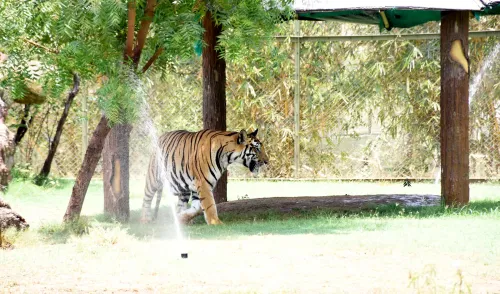
Chandigarh, Dec 27 (NationPress) In the midst of severe winter conditions, the Punjab Forest and Wildlife Preservation Department has implemented special initiatives to guarantee a sanitary, comfortable, and protective atmosphere for animals, birds, and reptiles at the Mahendra Chaudhary Zoological Park located in Chhatbir, as reported by authorities on Saturday.
For carnivorous species, room heaters and heat convectors have been installed in the nighttime shelters of all tigers, leopards, lions, and other wild cats.
All windows and openings have been sealed with polythene sheets or fibre sheets along with a thatch of sacrum grass.
Special temperature regulation measures have been put in place for both elderly and young animals.
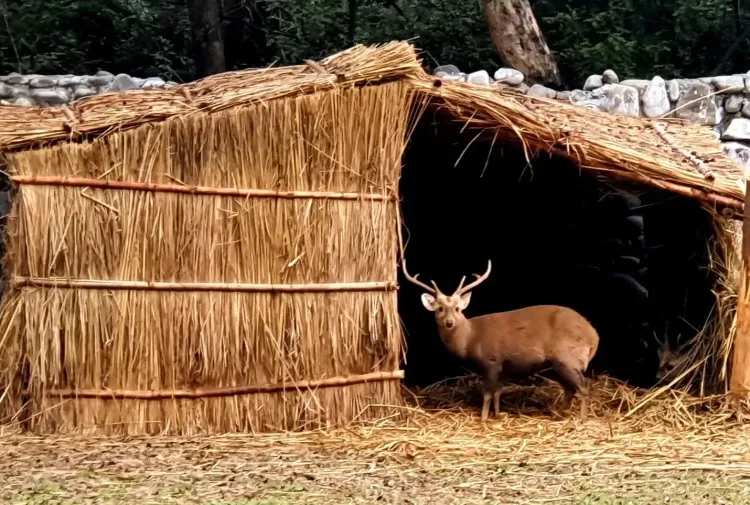
For herbivores, temporary huts have been constructed using binding wire and ropes, featuring waterproof setups (black tarpaulin affixed to the roof) in all enclosures.
Paddy straw and wheat husk bedding have been provided to ensure a warm flooring for all herbivorous animals.
Bird cages have been insulated with fibre cloths, jute mats, and polythene sheets to protect them from the cold and winter rains. Bedding materials like paddy straw, wheat husk, and rice bran have been supplied for warm nesting.
The coverings on the front of the bird cages are foldable, allowing for exposure to sunlight when necessary. All pheasant cages have been enhanced with grass, paddy, and ‘kanna’ structures to create a cozy environment.
The reptile house has been outfitted with oil-fin heaters that maintain the natural humidity of the habitats. Additionally, all reptile enclosures are furnished with wheat husk, dry leaf foliage, and heavy blankets to provide warmth. Special UV lamps have been installed in the reptile section.
Moreover, special aquarium water heaters with a circulation system have been arranged for turtles and tortoises.
Point of View
It is imperative to acknowledge the proactive measures undertaken by the Punjab government to safeguard wildlife during extreme weather. This reflects a commitment to animal welfare that should be recognized nationally. The efforts at the Mahendra Chaudhary Zoological Park not only provide immediate relief but also set a precedent for similar initiatives across the country.
NationPress
9 Oct 2026
Frequently Asked Questions
What special measures have been implemented for zoo animals in Punjab?
The Punjab Forest and Wildlife Preservation Department has installed room heaters for carnivores, created temporary shelters for herbivores, and insulated bird cages to protect animals from severe cold and moisture.
How are the animals being kept warm during winter?
Animals are kept warm through the use of heaters, cozy bedding materials like paddy straw and wheat husk, and temporary waterproof shelters.
What facilities are provided for reptiles?
Reptiles are housed in environments equipped with oil-fin heaters that maintain humidity, along with bedding made of wheat husk and blankets for added warmth.
Are there any special provisions for birds in the zoo?
Yes, bird cages have been covered with insulating materials, and cozy nesting materials are provided to ensure their comfort during winter.
Is there any special care for elderly or young animals?
Yes, special temperature control arrangements have been made for both elderly and young animals to ensure their well-being.