Iran's Assurance of Safe Passage for Indian Ships Reflects Strong Bonds with India
Synopsis
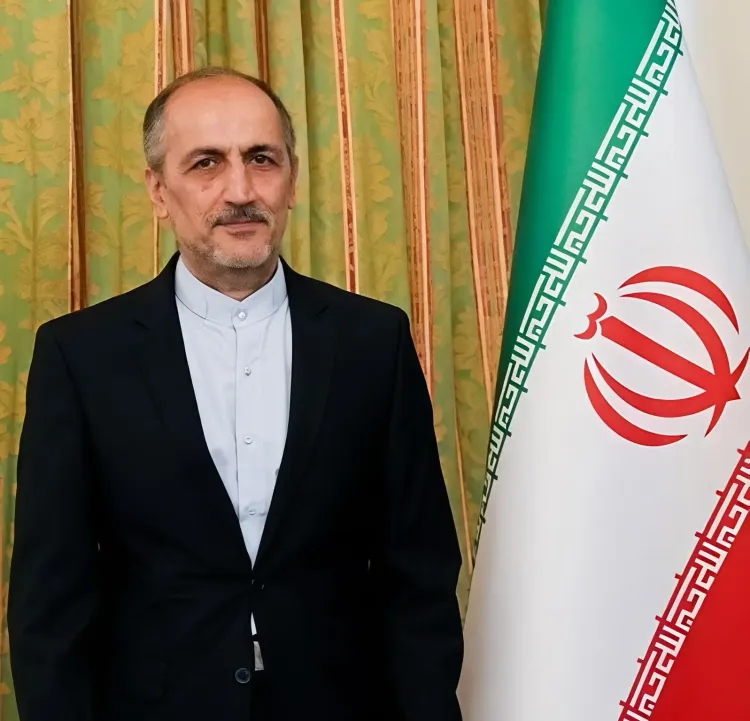
Iran's Consul General in Mumbai, Saeid Reza Mosayeb Motlagh, highlights Tehran's commitment to providing safe passage for Indian vessels through the Strait of Hormuz, showcasing the long-standing friendship between Iran and India amidst ongoing regional conflicts.
Key Takeaways
Iran's assurance of safe passage signifies its commitment to India.
Concerns over gas shortages are shared between Iran and India.
Recent maritime activity includes the arrival of LPG tankers in India.
Ongoing regional conflicts have heightened tensions in the Strait of Hormuz.
Iran maintains advanced technology in military engagements.
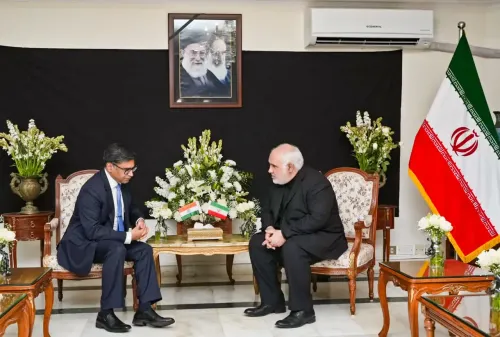
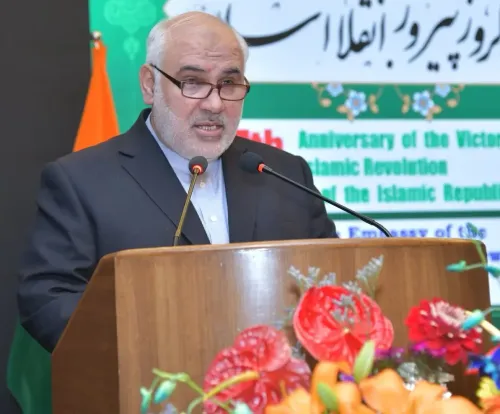
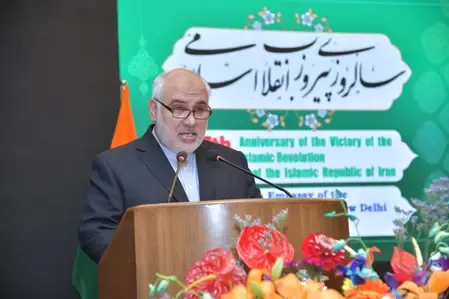
Mumbai, March 20 (NationPress) Saeid Reza Mosayeb Motlagh, the Consul General of Iran in Mumbai, stated on Friday that Iran's commitment to ensuring safe passage for Indian vessels through the Strait of Hormuz is a testament to its enduring friendship with New Delhi.
In a discussion with IANS, Motlagh emphasized that Iran has been a steadfast "friend and partner" of India for many years and expressed concern over the current gas shortages faced by Indian citizens due to the ongoing conflict.
"From the outset, the Islamic Republic of Iran has demonstrated its dedication as a friend and partner to India. As the Consul General in Mumbai, witnessing individuals struggling with gas shortages deeply troubled me. Iranian authorities share this concern and are eager to assist. The Strait of Hormuz is essentially a conflict zone, and gas carriers encounter significant risks; even minor incidents can have severe repercussions. Thankfully, Iran has successfully facilitated safe passage for these vessels, reinforcing our friendship with India," Motlagh remarked.
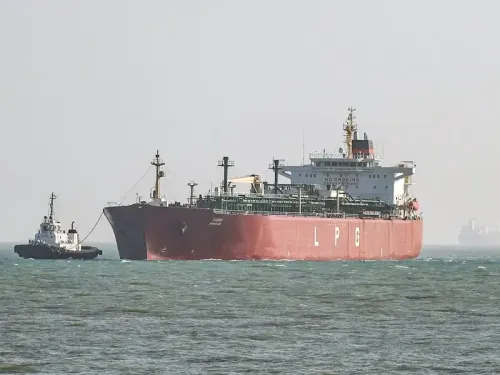
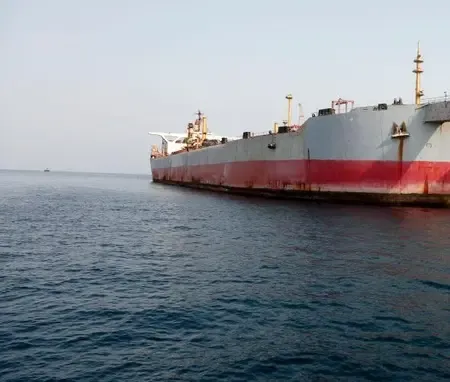
This week, the Indian-flagged Liquefied Petroleum Gas (LPG) tanker 'Nanda Devi' docked at Vadinar Port in Gujarat, marking the second LPG carrier to reach the west coast in a week, following 'Shivalik' at Mundra Port. Both vessels were delivering essential LPG supplies to India after navigating a particularly perilous route through the Strait of Hormuz, where maritime operations have been affected by the ongoing tensions involving Iran, the US, and Israel.
Motlagh further accused Israel of attacking Iran's oil facilities and instigating conflict through the assassination of Iran's Supreme Leader Ayatollah Ali Khamenei and senior military officials on February 28. In retaliation, Iran conducted drone and missile strikes against US and Israeli assets, regional capitals, and allied forces in West Asia.
"I pay tribute to the legacy of the great leader of the Islamic Revolution, Grand Ayatollah Khamenei, along with the resolute spirit of the Iranian people, who have faced numerous challenges and are gradually overcoming them. Concerning the destruction endured, the initial aggression came from Israel targeting our oil facilities. Despite our desire for peace, we had warned them prior to these events, maintaining our commitment to peaceful resolutions even amid conflict. We have never initiated aggression; they began this war by attacking our leader and the Islamic Republic, and we responded decisively in the early stages," he stated.
Motlagh referred to the death of Iran’s Supreme National Security Council Secretary Ali Larijani as a "significant loss" and recognized him as one of Iran's "distinguished" leaders. He noted that Iran continues to operate effectively in the war despite Larijani's passing, highlighting that the nation is governed by a system rather than individuals.
"For Iran, any injury to an Iranian citizen is a profound loss—whether it's something minor like a nosebleed or a serious injury, especially when Iranian lives are lost due to aggressive actions instigated by the United States and the Zionist regime. Do such tragedies diminish our resolve? Absolutely not. When our leader was murdered, it was evident that our governance system remains intact, swiftly appointing a capable successor without disruption," he declared.
He continued, "Though we mourn his loss, we are thankful for his noble contributions to Iran, which are still visible today. The passing of Martyr Larijani is indeed a significant loss; he was a key figure in our national security. However, this loss has not disrupted our operations. Just two days after his martyrdom, the country continued its functions, demonstrating that our governance is systemic, not reliant on individuals..."
Motlagh critiqued the United States for attempting to portray a Hollywood-style narrative to the world, suggesting their forces are invulnerable and technologically superior. He asserted that Iran employs advanced technology on the battlefield, with results that have become apparent globally.
"The Americans project a false narrative, claiming their forces cannot be harmed and that they enjoy unmatched technology. This is far from the truth. The Islamic Republic of Iran also utilizes advanced battlefield technologies, with outcomes visible to the global community. They are not as indomitable as they claim. We have successfully targeted several of their vessels, including aircraft carriers and fuel ships, forcing them to retreat from the battlefield. One of our recent accomplishments, thanks to divine assistance, was downing an F-35 Lightning II, valued at approximately $100 million..."
Point of View
Highlighting the importance of regional cooperation amidst ongoing geopolitical tensions. It emphasizes the significance of safe maritime passage and the historical ties between the two nations.
NationPress
23 Sept 2026
Frequently Asked Questions
Why is the safe passage of Indian vessels important?
It ensures the uninterrupted supply of essential resources like LPG to India, especially during times of geopolitical tensions.
What are the implications of Iran's statements?
Iran's assurance reflects its commitment to maintaining strong ties with India, despite regional conflicts, indicating a desire for cooperation.
How has the conflict affected maritime traffic?
The ongoing conflict has disrupted maritime operations in the Strait of Hormuz, posing risks to vessels navigating through the area.
What recent actions has Iran taken against Israel?
Iran has accused Israel of targeting its oil facilities and has responded with drone and missile strikes against Israeli and US assets.
What does Motlagh say about the leadership in Iran?
Motlagh emphasizes that Iran's governance is systemic and continues to function effectively despite the loss of prominent leaders.