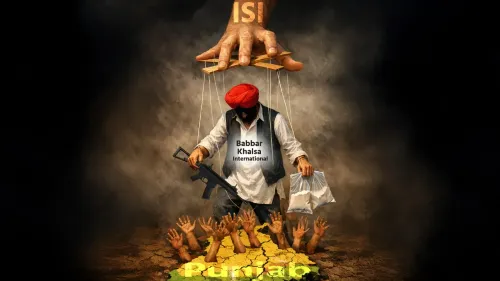
ISI targets Punjab polls: Khalistan sympathisers told to infiltrate parties
Synopsis
Pakistan's ISI has quietly abandoned the gun for the ballot — directing Khalistan sympathisers to embed themselves inside Punjab's mainstream political parties ahead of elections. With armed revival attempts having failed and international crackdowns tightening, the new strategy is to legitimise the separatist agenda from within democracy itself. Intelligence agencies have already warned parties, but the threat of ideological infiltration is harder to detect than a weapon.
Key Takeaways
Pakistan's ISI is reportedly directing Khalistan sympathisers to infiltrate mainstream political parties in Punjab ahead of upcoming elections, intelligence officials have warned.
The strategy mirrors the ISI's alleged use of an overground worker (OGW) network to infiltrate parties in Jammu and Kashmir , including the BJP .
Recruits are instructed to conceal Khalistan ties initially and promote the ideology from within after gaining political entry.
Crackdowns in India , the US , the UK , and Canada have squeezed the movement's funding and operational capacity, forcing the strategic pivot.
The Intelligence Bureau has formally cautioned Punjab political parties to tighten member vetting ahead of the election cycle.
Officials warn that even grassroots-level infiltration in significant numbers could lend democratic legitimacy to the Khalistan agenda.
Pakistan's Inter-Services Intelligence (ISI) has shifted its Khalistan strategy in Punjab, directing sympathisers to infiltrate mainstream political parties ahead of upcoming state elections, according to intelligence officials who have sounded a formal alert. The move marks a significant tactical pivot by the Pakistani spy agency after repeated failures to revive the separatist movement through overt means.
The New Infiltration Strategy
According to officials, the ISI is actively scouting individuals in Punjab who either hold Khalistan sympathies or can be cultivated to carry the separatist agenda once embedded within mainstream political structures. Recruits are reportedly being encouraged to either join established parties or contest elections independently.
'The ISI is looking for persons who believe in the Khalistan movement so that they could carry forth the agenda once they enter into mainstream politics,' officials said.
Critically, intelligence agencies have warned that such recruits may initially conceal any public association with the Khalistan movement, only beginning to promote its ideology after elections — using party platforms and political patronage as cover.
The J&K Template
Officials say the Punjab strategy mirrors an approach the ISI has allegedly already deployed in Jammu and Kashmir, where members of its overground worker (OGW) network were reportedly instructed to infiltrate mainstream parties — including the Bharatiya Janata Party (BJP) — to promote a separatist narrative from within. Punjab, officials suggest, is now being targeted with the same playbook.
Notably, infiltration is not limited to senior positions. Officials warn that even grassroots-level entry, if achieved in significant numbers, could provide a platform to gradually advance the Khalistan agenda and lend it an air of democratic legitimacy.
Pressure on the Movement
The strategic shift comes amid sustained pressure on Khalistan networks both domestically and internationally. Indian security agencies have consistently disrupted revival attempts, limiting the movement to sporadic low-intensity incidents that lacked operational consistency.
Adding to the pressure, countries including the United States, the United Kingdom, and notably Canada — which had long provided political headroom to Khalistan groups — have begun cracking down on the movement. The financial pipeline, which relied heavily on diaspora political backing and a domestic gangster network for contract killings and narcotics smuggling, has come under increasing strain.
This combination of disrupted funding, international crackdowns, and operational setbacks has, according to officials, forced the ISI to reassess and pivot toward a longer-term political infiltration model.
Warning to Political Parties
An Intelligence Bureau official confirmed that Indian intelligence agencies have cautioned political parties in Punjab to exercise heightened scrutiny when inducting new members, warning that some candidates may be seeking entry with long-term separatist objectives rather than genuine political participation.
'When such propaganda comes with the backing of a political banner, the people tend to feel that the movement is a legitimate one — and this is where the major danger lies,' officials said.
What Comes Next
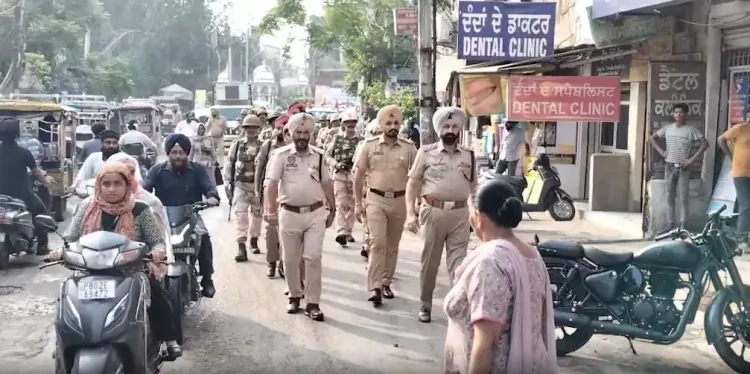
Security agencies are expected to intensify background verification protocols ahead of the election cycle. The broader concern, officials say, is not just electoral outcomes but the gradual normalisation of Khalistan ideology within democratic discourse — a shift that could prove far more durable than armed insurgency. How effectively political parties in Punjab heed the intelligence warning will be a key test of institutional resilience in the months ahead.
Point of View
But screening ideological intent at a party membership desk is a different challenge entirely. The mirroring of the alleged Jammu and Kashmir OGW template in Punjab suggests a systematic, not opportunistic, escalation. What is missing from the public discourse is accountability: which parties have received the intelligence advisory, and what concrete vetting mechanisms have they put in place? The warning is on record; the institutional response is not.
NationPress
19 Sept 2026
Frequently Asked Questions
What is the ISI's new Khalistan strategy in Punjab?
According to intelligence officials, the ISI is directing Khalistan sympathisers to infiltrate mainstream political parties in Punjab ahead of upcoming elections, rather than pursuing overt separatist activity. Recruits are being encouraged to join parties or contest elections independently, concealing their ideology initially and promoting it from within after gaining entry.
Why has the ISI shifted away from its earlier approach?
Repeated failures to revive the Khalistan movement through direct means, combined with sustained crackdowns by Indian security agencies and tightening restrictions in countries like the US, UK, and Canada, have forced the ISI to reassess. The movement's reliance on gangster networks for funding and contract killings has also been disrupted, prompting a pivot to a longer-term political strategy.
How does this strategy compare to what has allegedly happened in Jammu and Kashmir?
Officials say the Punjab plan mirrors an approach the ISI allegedly deployed in Jammu and Kashmir, where overground worker (OGW) network members were instructed to infiltrate mainstream parties — including the BJP — to advance a separatist narrative from within. The Punjab strategy is described as the same template applied to a new theatre.
Who has been warned, and what precautions are being taken?
Intelligence agencies, including the Intelligence Bureau, have formally cautioned political parties in Punjab to apply greater scrutiny when inducting new members. Officials warn that recruits may initially show no public association with Khalistan but could begin promoting its ideology after elections.
Why is grassroots-level infiltration considered dangerous?
Officials say that even entry at the grassroots level, if achieved in significant numbers, could allow Khalistan sympathisers to use a party's political banner to propagate separatist ideology — lending it an appearance of democratic legitimacy that armed insurgency cannot. The danger, officials argue, lies precisely in that normalisation.