Has ISI Chosen Jamaat Heir Azmi to Lead a Radical Armed Force in Bangladesh?
Synopsis
The emergence of the radical National Armed Reserve (NAR) in Bangladesh, overseen by Jamaat heir Azmi, poses a significant threat. With over 8,000 radicalized youths aimed at enforcing Sharia law, the implications are dire. This article explores the intricate connections between the ISI, the Pakistan Army, and Bangladesh's political landscape.
Key Takeaways
The NAR aims to enforce Sharia law in Bangladesh.
Over 8,000 radicalized youths are expected to join the unit.
Abdullahil Aman Azmi has been appointed to oversee the NAR.
The ISI and Pakistan Army are behind this initiative.
This move could threaten Bangladesh's democratic governance.
New Delhi, Dec 26 (NationPress) Security agencies are monitoring the situation in Bangladesh closely as plans for the radical National Armed Reserve (NAR) are underway.
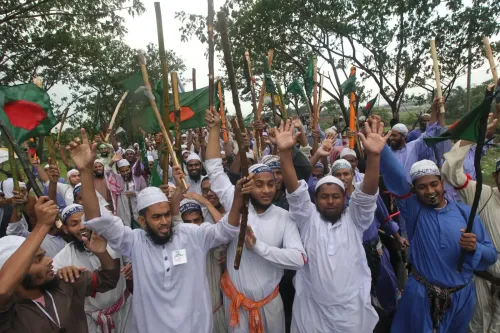
This new unit is expected to consist of over 8,000 radicalized youths in Bangladesh, aiming to impose Sharia law across the nation, according to officials.
The NAR is intended to replace the police force, ensuring strict adherence to Sharia law, as per Intelligence Bureau sources.
This initiative has been orchestrated by the ISI and the Pakistan Army. Several meetings leading up to its establishment have already occurred.
Pakistan’s objective is to create a radical military and a police division. Identifying individuals in Bangladesh with strong ties to Pakistan and radical ideologies has already commenced, sources report.
Currently, there are factions within the military, including Army Chief General Waker-Uz-Zaman, advocating for democratic governance in Bangladesh. This has prompted the ISI to attempt restructuring the military, placing loyalists to Pakistan in key positions. Brigadier (retd) Abdullahil Aman Azmi has been selected to oversee this transformation.
Azmi, a radicalized individual and the son of the late Jamaat-e-Islami leader Golam Azam, has engaged in discussions with senior Pakistani officials. Indian intelligence has indicated that he is poised to assume a significant role within Bangladesh's security framework, likely starting as an advisor in the home ministry.
Once elections are conducted, this position will be dissolved, with plans to appoint him as the head of the NAR, officials state.
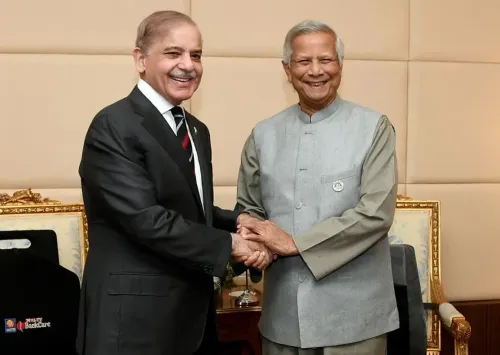
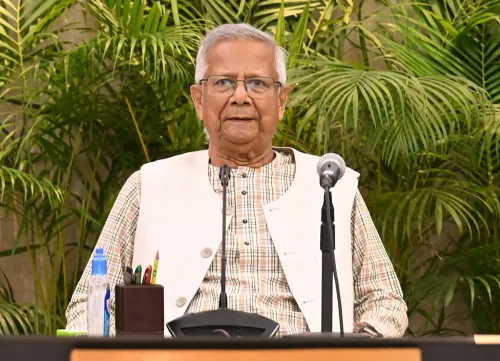
Since the appointment of Muhammad Yunus, numerous Pakistani diplomats have relocated to Bangladesh, holding regular discussions with Dhaka's officials. Azmi serves as a crucial intermediary between Dhaka and Islamabad.
Meetings occur at the Banani Officers’ Housing Scheme, where many Pakistani diplomats reside. A notable meeting on December 23 attracted the attention of Indian agencies, involving Azmi and Pakistan’s Deputy High Commissioner, Mohammad Wasim. This interaction indicates significant developments, officials suggest.
Moreover, meetings between high-ranking ISI officials and diplomats in Dhaka have been reported, pointing towards a troubling agenda ahead of the anticipated February 2026 elections.
While plans to disrupt the elections are in motion, officials believe they may not succeed. The goal remains to govern Bangladesh similarly to Pakistan.
Despite a democratically elected government in place, the true control lies with the Pakistan Army, led by Field Marshal Asim Munir.
Elections must occur to alleviate pressure from the international community, particularly the United States. However, even with a democratically elected government, Pakistan aims for the NAR and military to dominate.
The NAR is set to eventually replace the police, while Bangladeshi military leaders aligned with Pakistan will manage the country's operations.
The main objective is to transform Bangladesh into a completely radicalized nation. Groups such as the ISI-backed Jamaat-e-Islami support this initiative, necessitating the establishment of an NAR to enforce stringent adherence to radical Islam.
Meanwhile, the Army will be led by Pakistan loyalists, according to officials.
Indian intelligence agencies are bracing for numerous developments in Bangladesh as the nation remains on high alert due to the false narratives propagated by the ISI. The ISI continues its efforts to infiltrate various institutions and assert control over the country.
Point of View
I emphasize the need for vigilance regarding Bangladesh's evolving political scenario. The emergence of the National Armed Reserve, heavily influenced by external forces, necessitates a collective response from the international community to safeguard democratic values in the region.
NationPress
1 Oct 2026
Frequently Asked Questions
What is the National Armed Reserve (NAR)?
The NAR is a proposed radical unit in Bangladesh aimed at enforcing Sharia law, consisting of over 8,000 radicalized youths.
Who is Abdullahil Aman Azmi?
Azmi is the son of the late Jamaat-e-Islami leader Golam Azam and has been chosen by the ISI to oversee the NAR.
What role does the ISI play in Bangladesh?
The ISI is allegedly orchestrating the establishment of the NAR and working to influence the military and political landscape in Bangladesh.
How does this affect Bangladesh's democracy?
The establishment of the NAR underlines a potential shift towards radical governance, undermining democratic principles.
What are the implications for regional security?
The formation of a radical armed force in Bangladesh could destabilize the region and pose threats to neighboring countries.