Jaisalmer's 28-km artificial lake to boost Thar desert water security
Synopsis
A 28-km artificial lake is rising in the Thar Desert — built to trap monsoon surplus that once drained toward Pakistan. With a 1,406 MCFT capacity and HDPE-lined walls to beat desert seepage, the Burji 1356 reservoir is the centrepiece of a four-site network that will serve 20 lakh families across 6,707 villages in Jaisalmer and Barmer.
Key Takeaways
A 28-kilometre artificial lake is under construction at Burji 1356 on the Indira Gandhi Canal in Jaisalmer, Rajasthan .
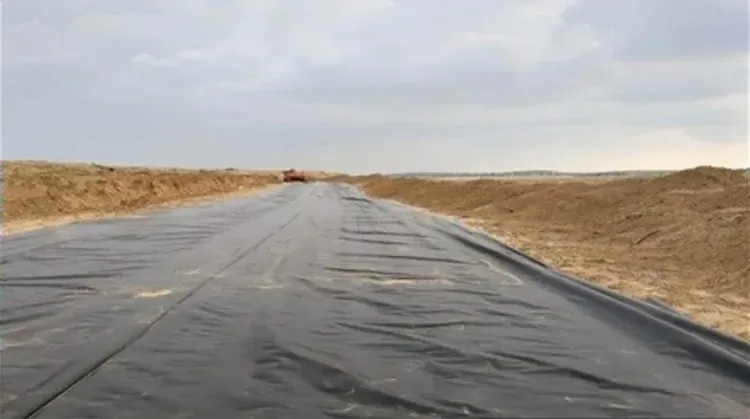
The reservoir has a storage capacity of 1,406 MCFT at an average depth of 13 metres , with HDPE sheets installed to prevent seepage in sandy terrain.
It is one of four escape reservoirs planned under the Jal Jeevan Mission ; construction at Burji 1356 and RD-507 (Bikaner) is now complete.
The full network will support 43 drinking water projects , benefiting more than 20 lakh families across 6,707 villages in Jaisalmer and Barmer.
Surplus monsoon water that previously flowed toward the international border and into Pakistan will now be captured and stored for year-round use.
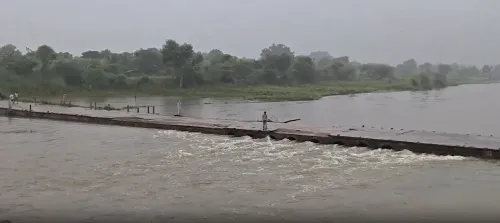
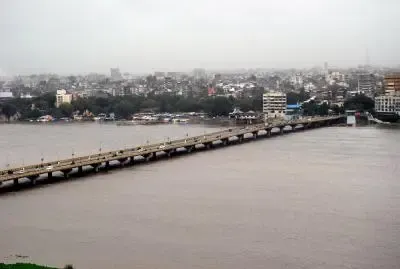
A 28-kilometre artificial lake is taking shape in Rajasthan's Jaisalmer district this monsoon season, officials confirmed on Friday, 25 July 2025, marking one of the most significant water infrastructure interventions in the Thar Desert in recent memory. The reservoir, constructed at the Burji 1356 escape structure of the Indira Gandhi Canal Project, is designed to capture surplus monsoon water that previously drained away toward the international border — and into Pakistan — due to the absence of adequate storage facilities.
Scale and Construction
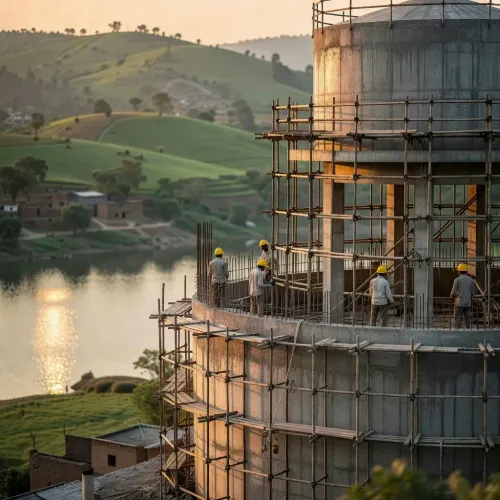
The Burji 1356 escape reservoir has been built to an average depth of 13 metres, with a total storage capacity of 1,406 MCFT. To counter the Thar's characteristically sandy terrain, engineers installed specialised HDPE sheets across the reservoir bed and slopes, preventing seepage and maximising water retention. Once filled with surplus water channelled from Punjab during peak monsoon flow, the reservoir is expected to create a striking expanse of water — an ocean-like sight amid the golden sands of the desert.
Part of a Four-Reservoir Network
The Jaisalmer reservoir is one of four escape reservoirs planned at strategic points along the Indira Gandhi Canal system under the Jal Jeevan Mission. The other three are located at RD-507 in Sattasar, Bikaner; RD-750 in the Gajner Lift Project area, Bikaner; and RD-1121 in Jodhpur district. Construction of both the RD-507 and Burji 1356 reservoirs has now been completed. The remaining two are in progress.
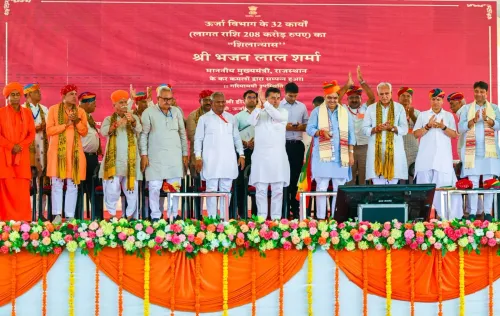
Notably, work on these long-pending projects gained momentum after Chief Minister Bhajan Lal Sharma's Bharatiya Janata Party (BJP) government assumed office in Rajasthan. Sharma has publicly identified water conservation and self-reliance as priority commitments for the state.
Impact on Communities
Once all four reservoirs become operational, they are expected to support 43 major drinking water projects under the Jal Jeevan Mission, benefiting more than 20 lakh families across 6,707 villages in the desert districts of Jaisalmer and Barmer. The Burji 1356 reservoir will serve as a strategic water reserve during canal maintenance shutdowns, closures, and seasonal shortages — conditions that have historically left desert communities vulnerable.
A Shift in Desert Water Management
Escape structures along the Indira Gandhi Canal have historically served only as safety release valves during periods of excess flow, with surplus water flowing away unused. This initiative converts those escape points into productive storage nodes — a structural shift from passive drainage to active conservation. This is the first time the Thar region has seen storage infrastructure of this scale deployed specifically to retain monsoon surplus for year-round drinking water use.
With construction complete at two of the four sites, the broader network's full potential will depend on the pace of work at the Bikaner and Jodhpur reservoirs. The project signals a long-overdue rethinking of how India's most water-stressed desert districts manage the brief but critical monsoon window.
Point of View
But the real test is whether the Bikaner and Jodhpur reservoirs are completed on schedule — without all four nodes, the 20-lakh-families figure remains aspirational. India's Jal Jeevan Mission has a strong record of headline targets; last-mile delivery in remote desert districts is where the gap between announcement and impact typically widens.
NationPress
23 Oct 2026
Frequently Asked Questions
What is the 28-km artificial lake being built in Jaisalmer?
It is the Burji 1356 escape reservoir on the Indira Gandhi Canal in Jaisalmer, Rajasthan, built under the Jal Jeevan Mission with a storage capacity of 1,406 MCFT and an average depth of 13 metres. The lake has a circumference of 28 kilometres and is designed to capture surplus monsoon water for year-round drinking water use.
Why was the Burji 1356 reservoir built in the Thar Desert?
The reservoir was built to stop surplus monsoon water from draining away toward the international border and into Pakistan due to the absence of storage infrastructure. It converts an existing canal escape structure into a strategic water reserve for the drought-prone districts of Jaisalmer and Barmer.
How many families will benefit from the Jaisalmer reservoir project?
Once all four planned escape reservoirs under the Jal Jeevan Mission are operational, they will support 43 major drinking water projects benefiting more than 20 lakh families across 6,707 villages in Jaisalmer and Barmer districts.
What technology was used to prevent water seepage in the sandy desert terrain?
Engineers installed specialised HDPE (High-Density Polyethylene) sheets across the reservoir bed and slopes to prevent seepage and ensure maximum water retention in the sandy Thar terrain.
Which other reservoirs are part of this Rajasthan water project?
Three other escape reservoirs are planned alongside Burji 1356: RD-507 at Sattasar in Bikaner (also completed), RD-750 in the Gajner Lift Project area in Bikaner, and RD-1121 in Jodhpur district. All four are being developed under the Jal Jeevan Mission.