Jaishankar: India's 28 mobility pacts reflect pillar of global cooperation
Synopsis
India has quietly built one of the world's most extensive bilateral migration networks — 28 agreements with 26 countries — and is now positioning human resource mobility as a strategic foreign policy pillar, not just a labour export channel. With 50 lakh emigration clearances issued through eMigrate V.2, the digital governance architecture is being held up as a global model.
Key Takeaways
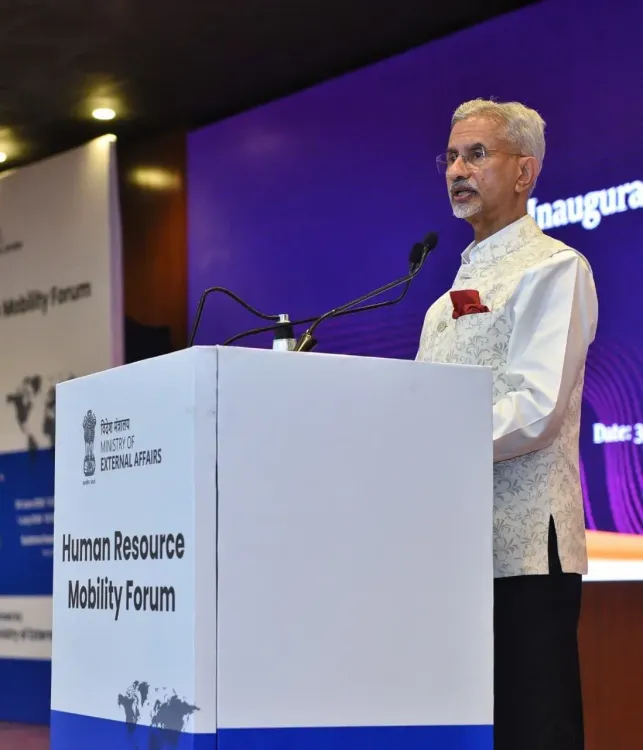
Jaishankar addressed the inaugural Human Resource Mobility Forum on 30 June in New Delhi .
India has signed 28 Migration and Mobility Partnership Agreements (MMPAs) with 26 countries ; more are under negotiation.
The eMigrate V.2 platform has issued over 50 lakh (five million) emigration clearances since its launch.
Jaishankar called for collective action against illegal migration, human trafficking, and fraudulent intermediaries.
He flagged AI , automation, the green economy, and ageing populations as forces reshaping global labour demand.
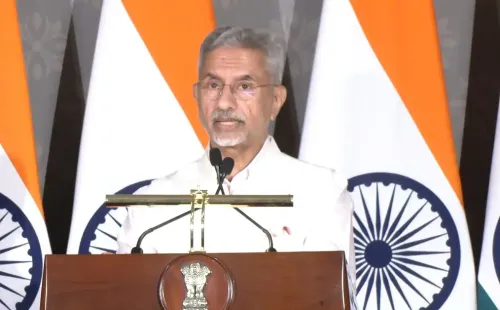
External Affairs Minister S. Jaishankar on Tuesday, 30 June declared that India regards human resource mobility as a core pillar of international cooperation, emphasising that New Delhi's partnerships in this domain rest on mutual benefit, shared responsibility, and long-term sustainability. He was speaking at the inaugural session of the Human Resource Mobility Forum in New Delhi.
India's Mobility Vision
Jaishankar framed mobility as far more than the physical movement of workers across borders. 'Human resource mobility represents far more than the movement of people from one place to another. It is about connecting aspirations with opportunities. It is about linking talent with demand,' he said, adding that the ultimate goal is both economic growth and social wellbeing.
He stressed that India's approach is not confined to facilitating overseas employment. 'We view mobility as a very important pillar of international cooperation. When managed effectively, such partnerships create value for the source countries, for the destination countries, for employers, for workers, for communities,' Jaishankar noted.
28 Migration and Mobility Agreements
India has, to date, signed 28 Migration and Mobility Partnership Agreements (MMPAs) or their equivalents with 26 countries, with several more currently under negotiation. Jaishankar underscored the need for nations to collectively combat illegal migration, exploitative practices, fraudulent intermediaries, and human trafficking — challenges that, he argued, erode the credibility of legal mobility ecosystems and place vulnerable individuals at risk.
eMigrate Platform and Digital Governance
A centrepiece of Jaishankar's address was India's digital infrastructure for migration governance. He highlighted the eMigrate V.2 platform, launched two years ago, which has since issued more than 50 lakh (five million) emigration clearances. 'This digital ecosystem has become a global example of leveraging technology to protect migrant workers while facilitating mobility,' he said.
He also cited the Indian Community Welfare Fund (ICWF), the MADAD portal, and responsive consular services as instruments that ensure timely assistance to Indian nationals overseas, describing the welfare and protection of Indians abroad as the fundamental guiding principle of India's migration governance.
Future of Global Labour Markets
Jaishankar acknowledged that advances in artificial intelligence and automation are set to transform labour markets across geographies and sectors. He pointed to the green economy as a source of new skill demands, while noting that healthcare and caregiving services will grow in importance as populations age globally.
He called the Human Resource Mobility Forum an essential platform for policymakers, industry leaders, employers, and practitioners to exchange ideas and explore new approaches, arguing that the opportunities and challenges of mobility transcend national boundaries and cannot be addressed by any single country or government department in isolation. The forum is expected to generate insights that strengthen partnerships and shape the future of global talent mobility.
Point of View
But their real test lies in enforcement: whether they meaningfully reduce worker exploitation or merely provide legal scaffolding that bad actors circumvent. The eMigrate platform's five-million-clearance milestone is impressive, yet the persistent problem of undocumented migration to Gulf states suggests the digital system has not yet reached the most vulnerable cohort it was designed to protect. The forum is a useful convening mechanism, but outcomes will be judged by whether the agreements translate into measurable improvements in migrant worker conditions — not by the number of pacts signed.
NationPress
29 Sept 2026
Frequently Asked Questions
What are India's Migration and Mobility Partnership Agreements (MMPAs)?
MMPAs are bilateral frameworks through which India formalises cooperation on safe, legal, and orderly migration with partner countries. As of 30 June 2025, India has signed 28 such agreements or their equivalents with 26 countries, covering areas such as worker protection, skills recognition, and anti-trafficking measures.
What is the eMigrate V.2 platform and why does it matter?
eMigrate V.2 is India's digital emigration governance platform, launched two years ago, that processes emigration clearances for workers heading to notified countries. It has issued more than 50 lakh (five million) clearances since inception and is cited by the government as a global model for using technology to protect migrant workers while facilitating legal mobility.
Why did Jaishankar stress combating illegal migration at the forum?
Jaishankar argued that illegal migration, exploitative practices, fraudulent intermediaries, and human trafficking undermine the credibility of legal mobility ecosystems and expose vulnerable individuals to serious risk. Addressing these issues, he said, is essential to making bilateral mobility partnerships effective and sustainable.
How does India see the future of global labour mobility?
According to Jaishankar, advances in artificial intelligence and automation will reshape labour markets significantly. The green economy will generate new skill demands, while healthcare and caregiving will grow in importance due to ageing populations. India sees these shifts as opportunities to align its human resource base with emerging global demand.
What is the Indian Community Welfare Fund (ICWF)?
The ICWF is a fund used to provide emergency assistance to Indian nationals in distress overseas. Jaishankar referenced it alongside the MADAD portal and consular services as part of India's broader framework for protecting its citizens abroad, describing migrant welfare as the fundamental guiding principle of India's migration governance.