Is Gujarat's Jamnagar Set to Become a Global Healthcare Hub?
Synopsis
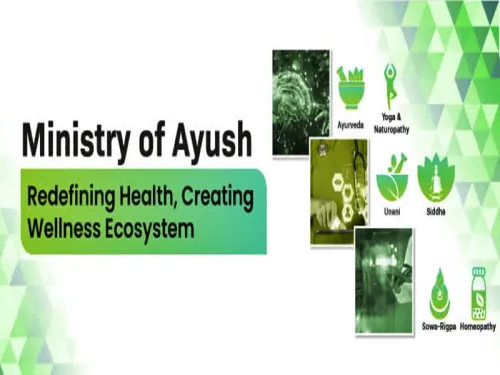
Jamnagar is on the brink of becoming a global healthcare destination with the government's new initiatives. The establishment of regional medical hubs will not only enhance Medical Value Tourism but also fortify the AYUSH ecosystem, creating ample job opportunities and improving healthcare access. Discover how these transformative measures will position India as a key player in traditional medicine.
Key Takeaways
Jamnagar to become a key global healthcare hub.
Establishment of regional medical hubs for AYUSH services.
Focus on Medical Value Tourism and job creation.
Upgrade of WHO Global Traditional Medicine Centre.
Integration of traditional practices with modern healthcare.
Jamnagar (Gujarat), Feb 2 (NationPress) The Central Government has unveiled plans to establish regional medical hubs designed to enhance Medical Value Tourism (MVT) and fortify the AYUSH framework. This initiative aligns with the government’s commitment to delivering quality healthcare, advancing research, generating employment, and achieving global reach.
During the Union Budget presentation on February 1, 2026, Union Finance Minister Nirmala Sitharaman highlighted several transformative strategies intended to establish India as a premier destination for Medical Value Tourism while expanding the global presence of traditional Indian medicine systems.
The proposed regional medical hubs will be equipped with AYUSH facilities, MVT support centers, and cutting-edge infrastructure for diagnostics, treatment, rehabilitation, and post-treatment care. These hubs are anticipated to greatly enhance the patient experience for both domestic and international visitors while creating substantial job opportunities for doctors, allied health professionals, and other healthcare providers.
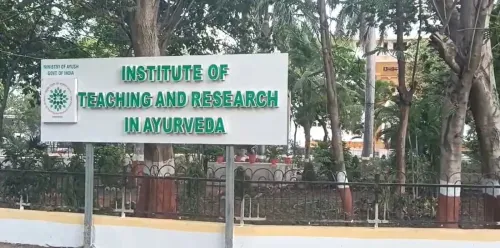
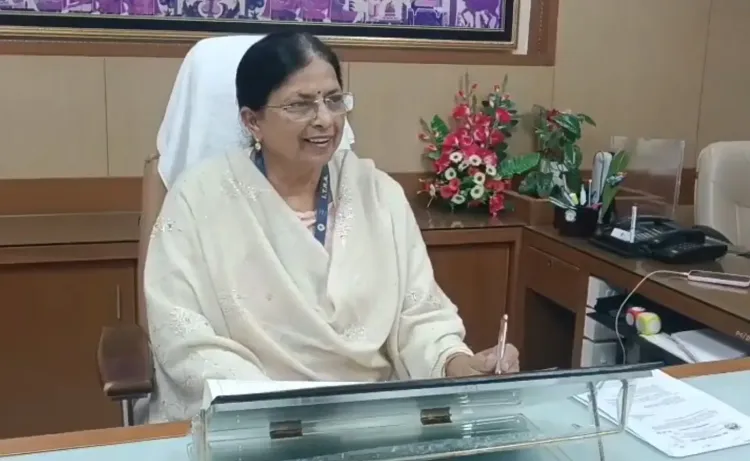
Prof. Dr. Tanuja Nesari, Director of the Institute of Teaching and Research in Ayurveda (ITRA) in Jamnagar, expressed gratitude to the government for the increased budgetary allocation for the AYUSH sector.
“We appreciate the Government of India for announcing a nearly 20% increase for the AYUSH system, demonstrating India’s commitment to global traditional medicine through the WHO,” Dr. Nesari remarked.
A significant element of the budget is the enhancement of the WHO Global Traditional Medicine Centre (GTMC) in Jamnagar, which operates under the Ministry of AYUSH. This upgrade aims to boost evidence-based research, training, and global recognition of traditional medicine systems.
Dr. Nesari characterized the budget initiatives as “truly groundbreaking,” highlighting that they would help India cater to the rising global demand for AYUSH services.
“The proposed initiatives will enhance quality education, clinical care, and research through the establishment of three new All India Institutes of Ayurveda,” she added. “Upgrading AYUSH pharmacies and drug testing laboratories will ensure high-quality standards, certification, and a skilled workforce.”
She further noted that the expansion of the WHO Global Traditional Medicine Centre would solidify India’s leadership in traditional medicine on the global stage.
India’s reputation in traditional healthcare has steadily improved in recent years. Yoga gained international acclaim after being promoted by Prime Minister Narendra Modi at the United Nations, while Ayurveda has seen renewed global acceptance in the post-COVID period.
The growing international demand for AYUSH products has also benefitted farmers of medicinal plants and youth involved in processing and value addition.
Officials report that the new initiatives intend to merge traditional practices with modern healthcare systems, enhancing India’s soft power and establishing the nation as a reliable global destination for holistic and evidence-based healthcare.
Stakeholders in the AYUSH sector expressed gratitude to Prime Minister Narendra Modi, Finance Minister Nirmala Sitharaman, Union AYUSH Minister Prataprao Jadhav, and AYUSH Ministry Secretary Padma Shri Rajesh Kotecha for their “encouraging and forward-thinking announcements” for Ayurveda and the broader AYUSH ecosystem.
Point of View
The initiatives announced in Gujarat are a significant step forward in enhancing India's healthcare landscape. The emphasis on integrating traditional medicine with modern practices reflects a commitment to holistic healthcare. This initiative not only sets the stage for economic growth through job creation but also positions India as a leader in global health, particularly in AYUSH services.
NationPress
4 Oct 2026
Frequently Asked Questions
What is the significance of the regional medical hubs?
The regional medical hubs aim to enhance Medical Value Tourism and strengthen the AYUSH ecosystem, providing quality healthcare and creating job opportunities.
How will these hubs impact employment?
The hubs are expected to create a significant number of jobs for healthcare professionals, including doctors and allied health workers.
What role does AYUSH play in this initiative?
AYUSH represents India's traditional systems of medicine, and the initiative seeks to promote and integrate these practices into the global healthcare framework.
How is the WHO involved in this development?
The WHO Global Traditional Medicine Centre in Jamnagar will be upgraded to support research and training in traditional medicine.
What are the expected benefits for patients?
Patients can expect improved healthcare experiences, better access to services, and high-quality treatment options.