J&K LG Manoj Sinha champions millets at Jammu seminar, cites NCDs crisis
Synopsis
J&K LG Manoj Sinha used a full-day millets advocacy push in Jammu — spanning a national dialogue at SKUAST and a health seminar at GMC — to connect ancient grains to a modern crisis: NCDs now account for 61.8% of all deaths in India, up from 37% in 1990. His pitch was not just nutritional but civilisational, framing millets as a hedge against ecological collapse and a prescription for public health.
Key Takeaways
J&K LG Manoj Sinha addressed the 'Millets for Health' seminar at GMC Jammu on 21 September 2026 .
He also spoke at a national dialogue on the Millets Mission organised by SKUAST, Jammu the same day.
The 2018 ICMR report cited at the seminar shows NCDs accounted for 61.8% of all deaths in 2016 , up from 37.09% in 1990 .
The National Family Health Survey recorded high blood pressure in 11% of women and 15% of men aged 15–49 .
Sinha urged farmers to diversify crops, scientists to develop climate-suited varieties, and citizens to replace processed food with millets.
Attendees included Padma Shri Khadar Vali , Divisional Commissioner Ramesh Kumar , and GMC Principal Ashutosh Gupta .
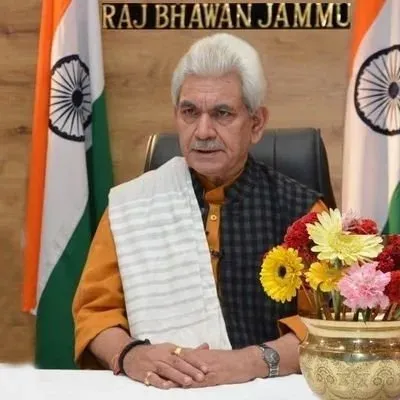
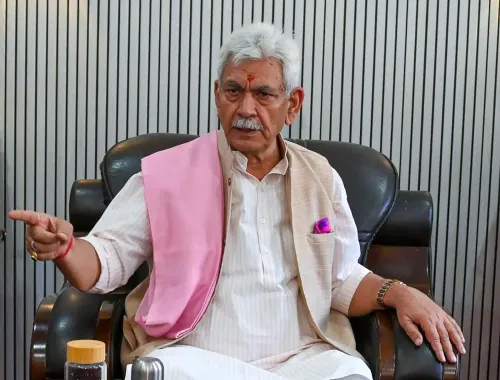
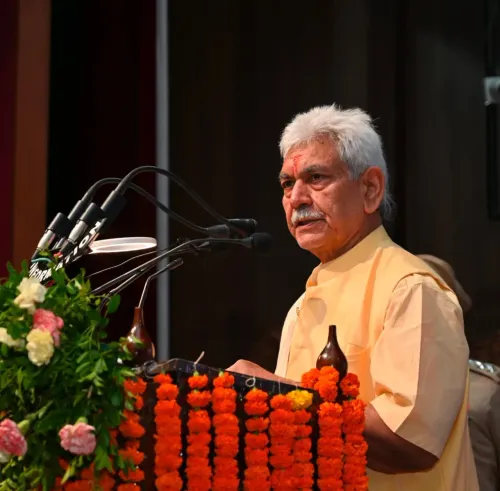
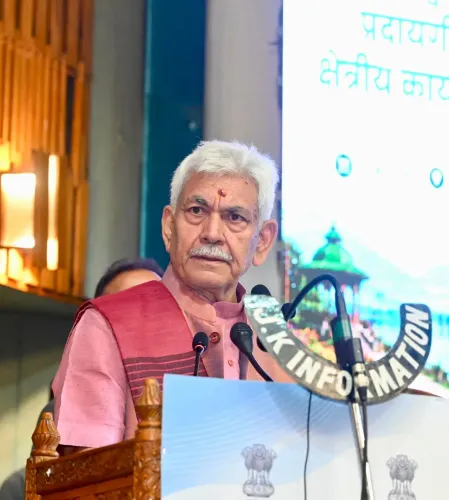
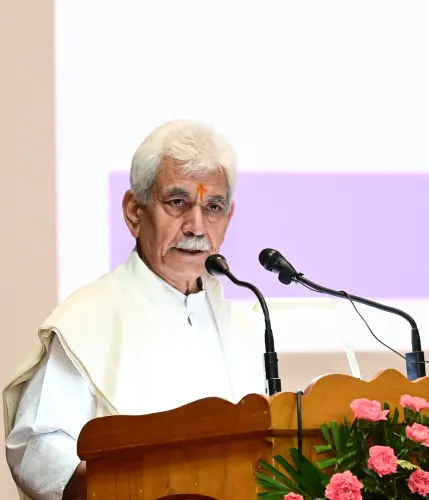
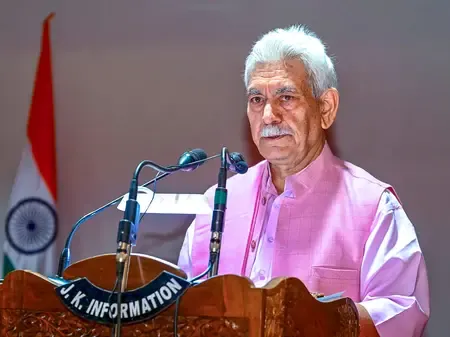
Jammu and Kashmir Lieutenant Governor Manoj Sinha on Monday, 21 September 2026, called for a decisive shift towards millets as a public health and environmental imperative, warning that nature's limits cannot be crossed if humanity is to protect both the earth and itself. Speaking at the 'Millets for Health' seminar at Government Medical College (GMC), Jammu, Sinha urged the medical fraternity, scientists, farmers, and citizens to integrate millets into everyday diets.
A Day of Millets Advocacy
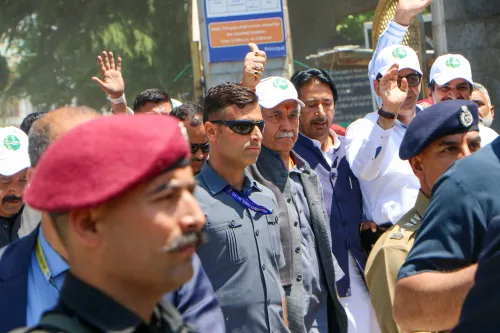
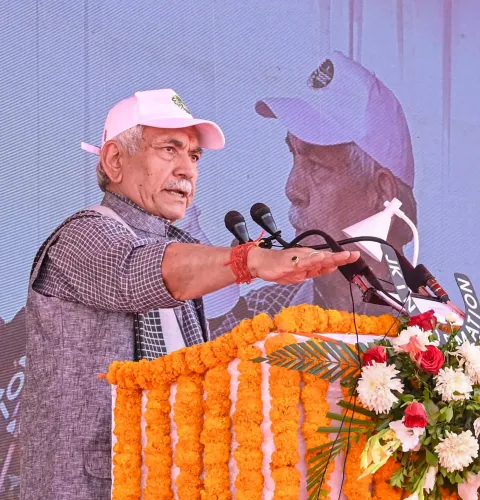
The LG's appearance at GMC was preceded by a national dialogue on the Millets Mission organised by SKUAST, Jammu, making it a full-day advocacy push for the ancient grain. Sinha described the seminar not merely as an academic exercise, but as a reminder of collective responsibility — to the earth, its water bodies, farming families, rural communities, and the health of every citizen.
'Nature's message is clear that limits cannot be crossed, and millets offer a credible alternative,' he said, framing the call to action as both ecological and nutritional.
The NCD Alarm: Data That Demands Attention
Citing the 2018 ICMR report, Sinha pointed to a stark public health trajectory: non-communicable diseases (NCDs) accounted for 61.8% of all deaths in 2016, up sharply from 37.09% in 1990. He also referenced the National Family Health Survey, which recorded high blood pressure in 11% of women and 15% of men aged 15–49.
'These are not merely medical problems, but they directly affect family economic conditions, social life and national productivity. Greater inclusion of our traditional food, millets, can show us an important path towards disease prevention and a healthy lifestyle,' he said.
Millets: Ancient Grains, Modern Evidence
The LG underlined that millets — including bajra, jowar, ragi, kodo, kutki, kangni and sanwa — are as old as Indian civilisation. These crops grow with minimal water in harsh climates and require little chemical input. Nutritionally, he noted, millets are rich in fibre, iron, calcium and other micronutrients. Several research papers suggest they carry a relatively low glycaemic index and support heart health, cholesterol control and weight management.
'Looking at the research studies, I can say that millets impact the entire chain, from protecting individual health to conserving nature,' Sinha said, calling on the medical fraternity to carry awareness of their benefits to every section of society.
Call to Farmers, Scientists and Citizens
Moving from advocacy to specifics, Sinha appealed to farmers to diversify crops and to scientists to develop high-yielding, climate-adapted millet varieties. Doctors and nutrition experts were urged to build evidence-based awareness about millets' role in a balanced diet. He made a direct appeal to the residents of Jammu and Kashmir to prioritise millets over processed food.
'If we all move forward together, we can build a Jammu and Kashmir that ensures food security, safeguards citizens' health, and also protects water, soil and the environment. Together, we should sow the seeds of health, sustainability and prosperity,' he said.
The seminar was attended by Padma Shri Khadar Vali, GMC Jammu Principal Ashutosh Gupta, Umendra Dutt of the Kheti Virasat Mission, Divisional Commissioner Jammu Ramesh Kumar, along with senior officials, domain experts, faculty, and students. With millet awareness campaigns gaining momentum nationally, J&K's institutional push on this front signals a broadening of the agenda beyond food security into preventive healthcare.
Point of View
However, is any announcement of procurement guarantees or minimum support prices for millet farmers in J&K — without which appeals to diversify crops risk remaining aspirational. Awareness campaigns are necessary but insufficient; the harder test is whether J&K's agriculture policy translates this rhetoric into economic incentives that actually reach the field.
NationPress
21 Sept 2026
Frequently Asked Questions
What did J&K LG Manoj Sinha say at the Millets for Health seminar in Jammu?
LG Manoj Sinha urged the medical community, scientists, farmers, and citizens to make millets a part of everyday life, warning that nature's limits cannot be crossed. He cited rising NCD deaths and declining traditional food habits as twin crises that millets can help address.
What data on non-communicable diseases did Sinha cite at the seminar?
Sinha referenced the 2018 ICMR report showing NCDs caused 61.8% of all deaths in India in 2016, up from 37.09% in 1990. He also cited the National Family Health Survey recording high blood pressure in 11% of women and 15% of men aged 15–49.
Which millets did the J&K LG highlight, and what are their benefits?
Sinha named bajra, jowar, ragi, kodo, kutki, kangni, and sanwa as millets with deep roots in Indian civilisation. He noted they grow in harsh climates with minimal water and chemicals, and are rich in fibre, iron, and calcium, with research suggesting a low glycaemic index and heart-health benefits.
What action did Sinha call for from farmers and scientists on millets?
He appealed to farmers to diversify their crops away from monocultures and to scientists to develop high-yielding, climate-adapted millet varieties. Doctors and nutrition experts were asked to build evidence-based awareness to take the benefits of millets to every section of society.
Who attended the Millets for Health seminar at GMC Jammu?
The seminar was attended by Padma Shri Khadar Vali, GMC Jammu Principal Ashutosh Gupta, Kheti Virasat Mission Executive Director Umendra Dutt, Divisional Commissioner Jammu Ramesh Kumar, and a gathering of officials, experts, faculty, and students.