J&K CGD Policy 2026: Omar Abdullah govt expands PNG, CNG access across all 20 districts
Synopsis
The Omar Abdullah government has notified the J&K CGD Policy 2026, covering all 20 districts with PNG and CNG infrastructure, backed by a planned 325 km GAIL pipeline. With single-window clearances and priority connectivity for industrial estates in Kathua, Samba and Pulwama, the policy is the newly elected government's first major energy infrastructure bet — one that could reshape J&K's industrial competitiveness and household energy access alike.
Key Takeaways
The Omar Abdullah government notified the J&K City Gas Distribution (CGD) Policy, 2026 on 8 October 2026 .
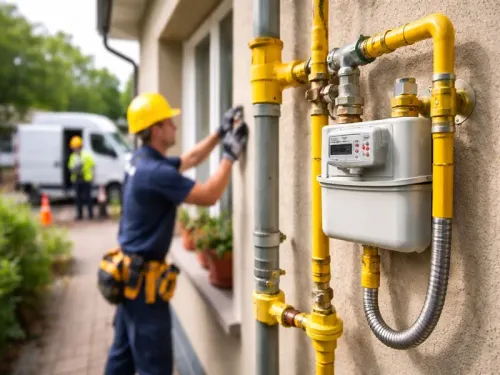
The policy covers all 20 districts of Jammu and Kashmir, extending PNG and CNG to households, industries, and the transport sector.
A 325 km natural gas pipeline connecting J&K to GAIL 's Gurdaspur-Jammu network is planned under PNGRB support.
Priority connectivity has been designated for industrial estates in Kathua , Samba , and Pulwama .
The policy introduces single-window time-bound clearances and standardised Right of Way norms to attract investment.
The framework is expected to create employment, apprenticeships, and skill development opportunities alongside cleaner energy access.
The Omar Abdullah government on 8 October 2026 officially notified the Jammu and Kashmir City Gas Distribution (CGD) Policy, 2026, a landmark framework aimed at expanding clean fuel access, modernising energy infrastructure, and accelerating industrial growth across the union territory. The policy, approved by the Council of Ministers, sets a time-bound, investor-friendly roadmap for rolling out Piped Natural Gas (PNG) and Compressed Natural Gas (CNG) to households, commercial establishments, industries, and the transport sector.
Key Provisions of the CGD Policy
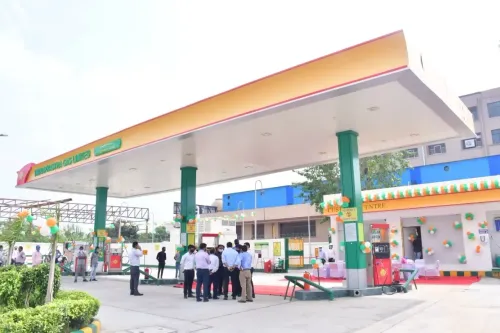
The policy mandates coverage of all 20 districts of Jammu and Kashmir, ensuring no region is left out of the clean energy transition. It introduces single-window, time-bound clearances for investors, standardised Right of Way (RoW) norms, and streamlined procedures for establishing CNG stations. Critically, priority gas connectivity has been earmarked for major industrial estates, including those in Kathua, Samba, and Pulwama — areas with significant existing industrial activity.
Infrastructure Backbone and Pipeline Plans
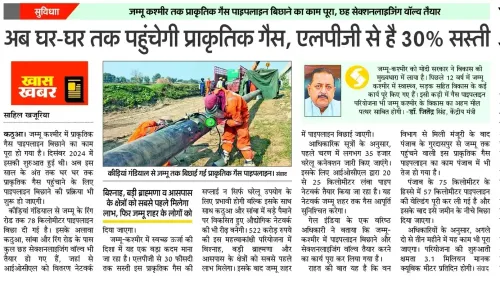
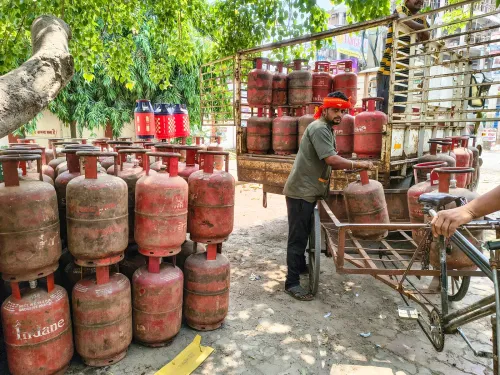
The broader infrastructure push is backed by the Petroleum and Natural Gas Regulatory Board (PNGRB), under whose initiative a 325 km natural gas pipeline connecting the region to GAIL's Gurdaspur-Jammu network is planned. This pipeline is expected to serve as the arterial supply line for the entire CGD network once operational. The policy also complements national programmes such as the Pradhan Mantri Ujjwala Yojana (PMUY) and enforcement drives by the Union Ministry of Petroleum and Natural Gas, which focus on affordability, preventing fuel diversion, and expanding LPG and PNG options.
Economic and Social Impact
According to the Chief Minister's Office, the policy is expected to reduce household fuel costs, strengthen industrial competitiveness, and attract green investments into the union territory. It is also projected to generate employment opportunities, apprenticeships, and skill development avenues — a significant add-on for a region historically seeking economic diversification. This comes amid a broader push by the J&K administration to position the territory as an investment destination following the restoration of statehood discussions.
Government's Reaction
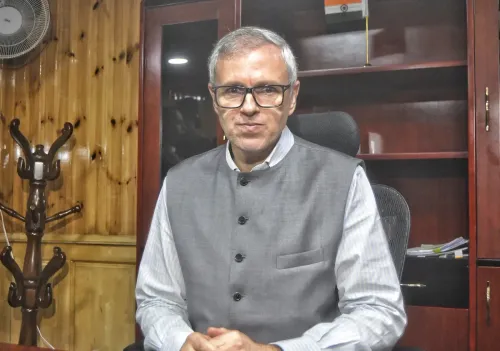
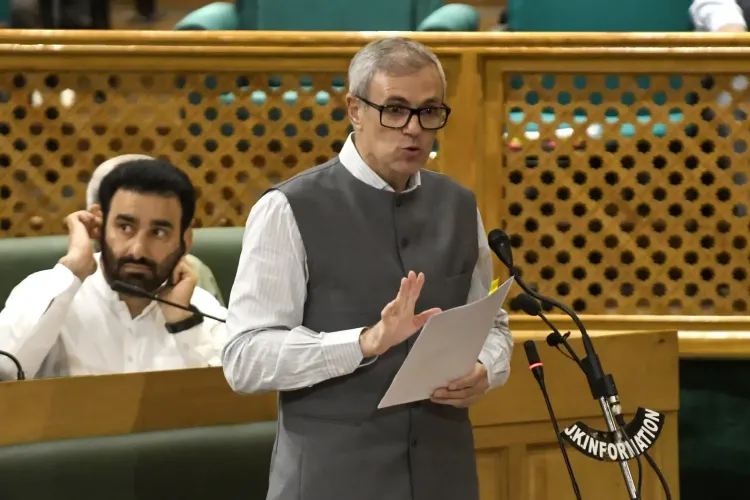
Chief Minister Omar Abdullah congratulated Food, Civil Supplies and Consumer Affairs Minister Satish Sharma and his department on the notification, describing it as a 'significant step towards cleaner growth and sustainable development in Jammu and Kashmir.' The Chief Minister's Office announced the policy on its official X handle, calling it 'a major step towards expanding clean fuel access, accelerating industrial growth and modernising energy infrastructure across Jammu and Kashmir.' Notably, this marks one of the first major energy policy notifications since the reconstituted elected government assumed office, signalling an early focus on infrastructure reform.
Point of View
Samba and Pulwama is a targeted attempt to address that gap. The 325 km pipeline ambition is credible on paper — GAIL's Gurdaspur-Jammu network already exists — but execution timelines for such projects in J&K have consistently slipped due to terrain and security factors the policy document does not address. The single-window clearance promise will be the real test: if the state apparatus delivers on time-bound approvals, this could meaningfully change investor calculus; if it mirrors past J&K infrastructure rollouts, the policy risks becoming another well-intentioned framework that stalls at implementation.
NationPress
8 Oct 2026
Frequently Asked Questions
What is the J&K City Gas Distribution (CGD) Policy, 2026?
The J&K CGD Policy, 2026 is a framework notified by the Omar Abdullah government on 8 October 2026 to expand Piped Natural Gas (PNG) and Compressed Natural Gas (CNG) access across all 20 districts of Jammu and Kashmir. It covers households, commercial establishments, industries, and the transport sector, with a focus on cleaner, more affordable energy.
Which areas get priority gas connectivity under the J&K CGD Policy?
Major industrial estates in Kathua, Samba, and Pulwama have been designated for priority gas connectivity under the policy. The framework is designed to strengthen industrial competitiveness and attract green investment to these clusters.
What is the 325 km pipeline mentioned in the J&K CGD Policy?
It refers to a planned natural gas pipeline supported by the Petroleum and Natural Gas Regulatory Board (PNGRB) that will connect the J&K region to GAIL's existing Gurdaspur-Jammu network. This pipeline is intended to serve as the primary supply backbone for the entire CGD network in the union territory.
How will the CGD Policy benefit ordinary residents of J&K?
According to the Chief Minister's Office, the policy is expected to provide safer, more affordable, and cleaner energy to households, reduce fuel costs, and create employment and skill development opportunities. It also complements the Pradhan Mantri Ujjwala Yojana (PMUY) to improve energy access for low-income families.
What investor incentives does the J&K CGD Policy offer?
The policy introduces single-window time-bound clearances, standardised Right of Way (RoW) norms, and streamlined procedures for setting up CNG stations. These measures are designed to reduce bureaucratic friction and make J&K an attractive destination for energy infrastructure investment.