J&K raises judicial officers' retirement age from 60 to 62 years
Synopsis
J&K has formally raised the retirement age of its judicial officers from 60 to 62 years — retroactive to 31 March 2026 — acting on a Supreme Court directive in the decades-old All India Judges Association case. The extension comes with a fitness review catch: not every officer qualifies automatically, and reinstatement of those who already retired is contingent on High Court clearance.
Key Takeaways
The J&K government has raised the superannuation age of judicial officers from 60 to 62 years , effective 31 March 2026 .
The decision follows Supreme Court orders dated 22 July 2026 and 5 August 2026 in the All India Judges Association case (W.P.(C) No.
The Full Court of the High Court of J&K and Ladakh recommended the enhancement on 10 August 2026 , subject to fitness assessment.
The Council of Ministers approved the proposal on 22 September 2026 via Decision No.
Officers who retired on or after 31 March 2026 may be reinstated, subject to consent and High Court-assessed fitness criteria.
The Jammu and Kashmir government has enhanced the superannuation age of judicial officers from 60 to 62 years, effective 31 March 2026, following a directive from the Supreme Court of India. The decision, formalised through an order issued by the Department of Law, Justice and Parliamentary Affairs, brings J&K in line with a broader national push to extend the service tenures of lower judiciary officials.
Supreme Court Directive Behind the Move
The Supreme Court, while hearing W.P.(C) No. 1022/1989 — the long-running case titled All India Judges Association & Ors — issued orders on 22 July 2026 and 5 August 2026, directing all state governments and union territories to consider enhancing the retirement age of judicial officers to either 61 or 62 years, in consultation with their respective High Courts. The apex court further specified that wherever such enhancement is approved, it would be applicable retrospectively from 31 March 2026, including for officers who retired on or after that date, subject to consent and applicable conditions.
High Court Recommendation and Government Approval
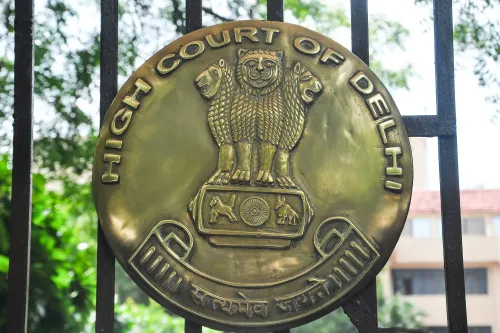
In compliance with the Supreme Court's direction, the J&K government consulted the High Court of Jammu and Kashmir and Ladakh. The Registrar General conveyed, via communications dated 30 July and 12 August, that the Full Court — in its deliberations on 10 August — resolved to recommend enhancement of the retirement age to 62 years. The recommendation was conditional on officers being found fit and eligible for continued service beyond 60.
The Finance Department conveyed its concurrence on 9 September. Subsequently, the Council of Ministers, through Decision No. 146/12/2026 dated 22 September 2026, formally approved the proposal.
Conditions Attached to the Extension
The government order clarifies that the age enhancement is not automatic. Each judicial officer will be assessed for fitness, eligibility, suitability, performance, and continued utility by the High Court of J&K and Ladakh before the benefit is extended. Necessary amendments to the relevant service rules are also to be undertaken in consultation with the High Court.
Broader Context and Impact
The All India Judges Association case has been pending before the Supreme Court since 1989, and successive orders from the apex court have sought to improve service conditions, pay scales, and tenure for the subordinate judiciary across India. This latest directive on retirement age is part of that continuum. Notably, judicial officers who retired on or after 31 March 2026 may be eligible for reinstatement, subject to their consent and meeting the fitness criteria set by the High Court.
The move is expected to address staffing shortages in the subordinate courts of J&K and provide experienced judicial officers more time on the bench, potentially easing pendency of cases. How many officers will actually qualify under the fitness and performance review remains to be seen as the High Court begins the assessment process.
Point of View
On what criteria, and within what timeline? The retrospective effective date of 31 March 2026 means some officers may have already made post-retirement financial and personal arrangements, making reinstatement complicated. The All India Judges Association case has wound through the Supreme Court for over three decades, producing incremental improvements — but the backlog crisis in India's subordinate courts needs more than two extra working years per officer. The real test will be whether this measure meaningfully improves case disposal rates in J&K's overburdened district courts.
NationPress
6 Oct 2026
Frequently Asked Questions
What has the J&K government decided regarding judicial officers' retirement age?
The J&K government has enhanced the retirement age of judicial officers from 60 to 62 years, effective 31 March 2026. The decision follows Supreme Court orders and was approved by the Council of Ministers on 22 September 2026.
Why did the Supreme Court direct this change?
The Supreme Court issued the direction while hearing the long-pending All India Judges Association case (W.P.(C) No. 1022/1989), which has historically sought to improve service conditions for the subordinate judiciary. Orders dated 22 July 2026 and 5 August 2026 asked all states and union territories to consult their High Courts and decide on raising the retirement age to 61 or 62 years.
Is the retirement age extension automatic for all judicial officers in J&K?
No, the extension is not automatic. Each judicial officer must be individually assessed for fitness, eligibility, suitability, performance, and continued utility by the High Court of J&K and Ladakh before the benefit is granted.
Can judicial officers who already retired benefit from this order?
Yes, potentially. The Supreme Court specified that the enhancement applies retrospectively from 31 March 2026, including for officers who retired on or after that date, subject to their consent and fulfilment of applicable conditions set by the High Court.
What happens next following this order?
The High Court of J&K and Ladakh will now conduct fitness and eligibility assessments of eligible judicial officers. Amendments to the relevant service rules are also to be made in consultation with the High Court before the enhanced retirement age is operationalised across all positions.