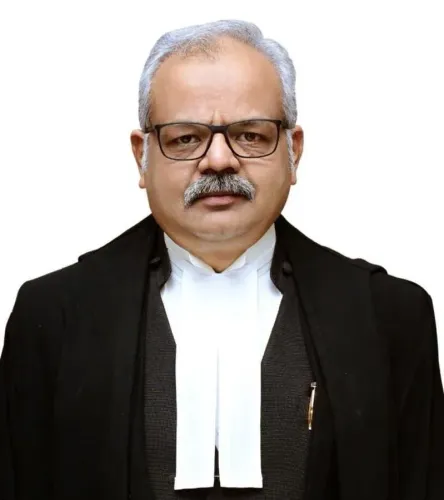
Justice Sanjeev Kumar appointed Acting CJ of J&K and Ladakh HC
Synopsis
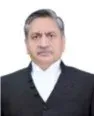
Within hours of Justice Arun Palli's elevation to the Supreme Court being cleared on 1 June, the Centre invoked Article 223 to reappoint Justice Sanjeev Kumar as Acting Chief Justice of the J&K and Ladakh High Court — his second stint in the role in as many months, highlighting the rapid churn at the top of India's judicial hierarchy.
Key Takeaways
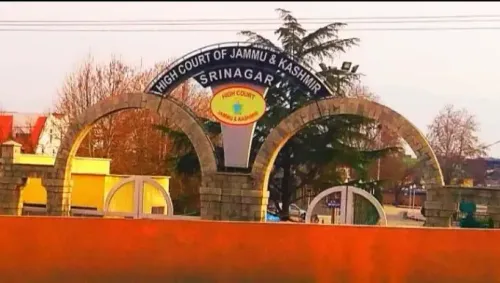
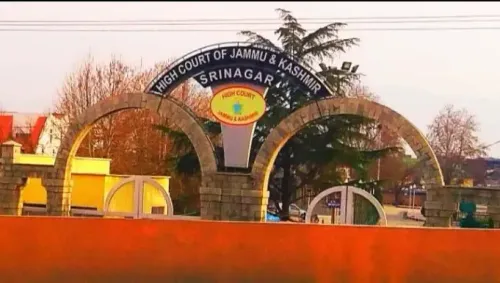
The Centre on 1 June appointed Justice Sanjeev Kumar as Acting Chief Justice of the High Court of Jammu and Kashmir and Ladakh .
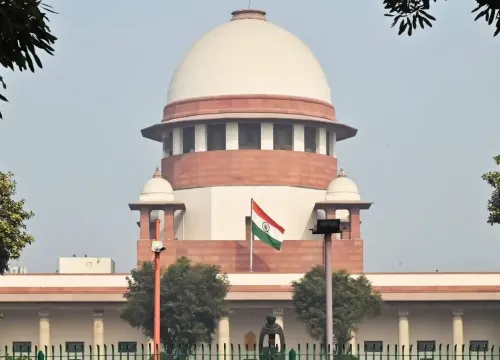
The appointment follows the elevation of Justice Arun Palli to the Supreme Court of India , cleared on the same day.
Four new Supreme Court judges — Justices Sheel Nagu , Shree Chandrashekhar , Sanjeev Sachdeva , Arun Palli — and senior advocate V.
Mohana were appointed simultaneously.
The Collegium had recommended Justice Palli's elevation at meetings on 22 May and 27 May .
Justice Sanjeev Kumar had previously served as Acting Chief Justice of the same court in April 2025 before Justice Palli assumed charge.
The Centre on Monday, 1 June issued a formal notification appointing Justice Sanjeev Kumar as the Acting Chief Justice of the High Court of Jammu and Kashmir and Ladakh, hours after the elevation of incumbent Chief Justice Arun Palli to the Supreme Court of India was officially cleared. The appointment invokes Article 223 of the Constitution, which empowers the President to designate a puisne judge to discharge the duties of the Chief Justice when the post falls vacant.
The Official Notification
The Union Ministry of Law and Justice issued the notification stating: 'In exercise of the powers conferred by Article 223 of the Constitution of India, the President is pleased to appoint Shri Justice Sanjeev Kumar, Judge of the High Court of Jammu & Kashmir and Ladakh, to perform the duties of the office of the Chief Justice of the High Court of Jammu & Kashmir and Ladakh consequent upon appointment of Shri Justice Arun Palli, Chief Justice of the High Court of Jammu & Kashmir and Ladakh as a Judge of the Supreme Court of India.'
Justice Arun Palli's Elevation to the Supreme Court
Earlier on the same day, the Centre cleared the elevation of Justice Arun Palli to the Supreme Court, along with three other High Court Chief Justices and senior advocate V. Mohana. The five new appointments — Justices Sheel Nagu, Shree Chandrashekhar, Sanjeev Sachdeva, and Arun Palli, along with V. Mohana — were announced by Union Minister for Law and Justice Arjun Ram Meghwal in a post on X, noting that the President had acted after consultation with the Chief Justice of India (CJI).
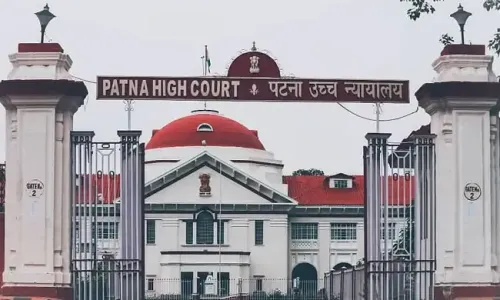
Justice Palli's parent High Court is the Punjab and Haryana High Court. He had assumed charge as Chief Justice of the Jammu and Kashmir and Ladakh High Court in April 2025, following the Supreme Court Collegium's recommendation for his elevation at its meetings held on 22 May and 27 May.
Justice Sanjeev Kumar's Background
Notably, Justice Sanjeev Kumar is not new to the role. He had previously served as Acting Chief Justice of the same High Court in April 2025, immediately before Justice Palli assumed charge. His reappointment to the acting position reflects the Centre's established practice of designating the senior-most available puisne judge when a Chief Justice vacancy arises.
Constitutional and Institutional Context
Article 223 of the Constitution provides a clear succession mechanism, ensuring that the functioning of a High Court is not disrupted during the transition between Chief Justices. The J&K and Ladakh High Court holds particular constitutional significance given the region's status as a Union Territory following the reorganisation of August 2019. This is the second time in as many months that the court has operated under an acting arrangement, underscoring the pace of judicial appointments at the apex level. The full-time appointment of a new Chief Justice is expected to follow in due course, subject to Collegium recommendation and presidential assent.
Point of View
Which oversees a constitutionally sensitive Union Territory, is particularly exposed to the reputational cost of prolonged vacancies at the top. The simultaneous elevation of five judges to the Supreme Court in a single batch is administratively efficient, but it accelerates vacancy creation at the High Court level faster than replacements can be processed. The Centre and the Collegium may need a faster turnaround mechanism for Chief Justice postings in strategically significant courts.
NationPress
19 Sept 2026
Frequently Asked Questions
Why was Justice Sanjeev Kumar appointed Acting Chief Justice of the J&K and Ladakh High Court?
Justice Sanjeev Kumar was appointed Acting Chief Justice on 1 June because incumbent Chief Justice Arun Palli was elevated to the Supreme Court on the same day, creating a vacancy. Under Article 223 of the Constitution, the President appointed the senior-most available puisne judge to discharge the Chief Justice's duties.
What is Article 223 of the Constitution?
Article 223 empowers the President to appoint any puisne judge of a High Court as Acting Chief Justice when the Chief Justice's office falls vacant or when the Chief Justice is unable to discharge functions. It ensures continuity of the court's functioning during transitions.
Who else was elevated to the Supreme Court alongside Justice Arun Palli?
Alongside Justice Arun Palli, Justices Sheel Nagu, Shree Chandrashekhar, and Sanjeev Sachdeva — all High Court Chief Justices — and senior advocate V. Mohana were appointed as Supreme Court judges on 1 June, acting on Collegium recommendations.
Has Justice Sanjeev Kumar served as Acting Chief Justice before?
Yes. Justice Sanjeev Kumar had previously served as Acting Chief Justice of the J&K and Ladakh High Court in April 2025, before Justice Arun Palli assumed charge as the permanent Chief Justice. His current appointment is therefore his second stint in the acting role.
When did Justice Arun Palli become Chief Justice of the J&K and Ladakh High Court?
Justice Arun Palli took oath as Chief Justice of the High Court of Jammu and Kashmir and Ladakh in April 2025. His parent High Court is the Punjab and Haryana High Court. The Supreme Court Collegium recommended his elevation to the apex court at meetings held on 22 May and 27 May 2025.