Japan JGSDF 34-member delegation visits India to deepen defence ties
Synopsis
Japan's 34-member JGSDF delegation wrapped up a visit to India that included talks with the Indian Army and DRDO, tours of CLAWS and WARDEC, and came just weeks after the Veer Guardian 2026 air exercise and a parliamentary-level defence dialogue with Taro Kono — signalling that India-Japan military ties are advancing on land, air, and diplomatic fronts simultaneously.
Key Takeaways
A 34-member JGSDF delegation from Japan's Command and General Staff Course visited India from 6 to 9 October 2026 .
The delegation engaged with the Indian Army and DRDO , and visited CLAWS and WARDEC to study India's defence capabilities and emerging technologies.
Bilateral air exercise Veer Guardian 2026 between the IAF and JASDF concluded at Air Force Station Jodhpur on 22 September 2026 , featuring Su-30 MKI, Rafale, Tejas, and F-2A aircraft.
Defence Secretary Rajesh Kumar Singh met Taro Kono of Japan's LDP on 22 September 2026 to discuss defence technology collaboration and Indo-Pacific security.
Both nations are Quad members , and the engagements signal rapidly deepening institutional defence ties.
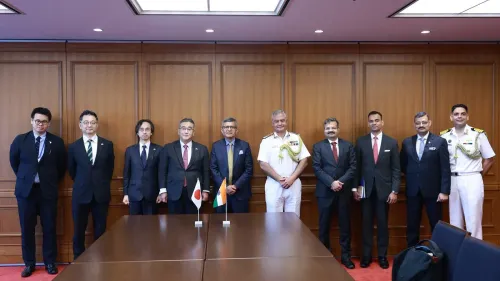
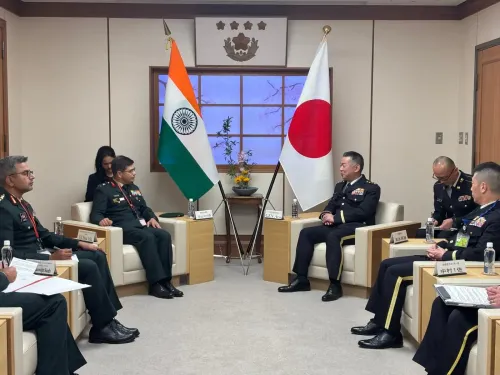
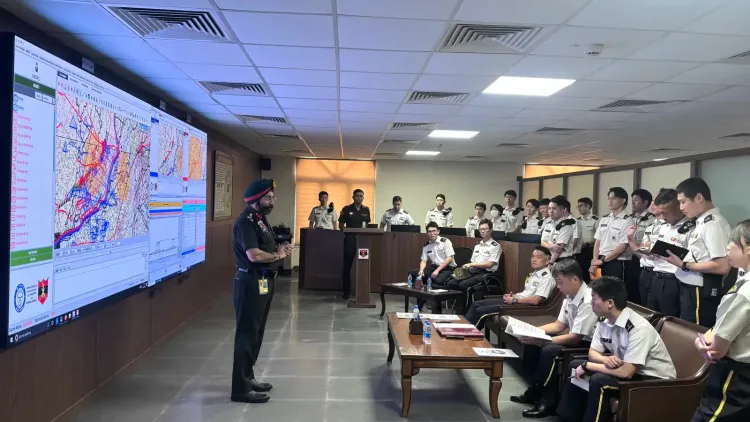
A 34-member delegation from the Japanese Ground Self-Defense Force (JGSDF) Command and General Staff Course concluded a four-day visit to India from 6 to 9 October 2026, aimed at deepening bilateral defence cooperation, strengthening professional military ties, and enhancing mutual understanding between the two nations' armed forces. The Indian Army confirmed the visit on Friday, 9 October 2026.
Key Engagements During the Visit
Over the course of the visit, the Japanese delegation held structured interactions with representatives of the Indian Army and the Defence Research and Development Organisation (DRDO). The delegation also visited the Centre for Land Warfare Studies (CLAWS) and the Wargame Research and Development Centre (WARDEC), gaining firsthand exposure to India's defence capabilities, military training frameworks, and emerging technologies.
Beyond the strategic exchanges, the delegation was also introduced to India's cultural heritage — a customary feature of such bilateral military tours that reinforces people-to-people ties alongside institutional engagement.
What the Indian Army Said
The Indian Army, in a post on social media platform X, described the visit as part of the JGSDF's Foreign Study Tour and underscored its significance for the bilateral relationship. 'The visit also included an exposure to India's rich cultural heritage. The engagement further strengthened professional military ties, mutual understanding and the enduring defence partnership between India and Japan,' the Army stated.
Veer Guardian 2026: The Air Exercise Connection
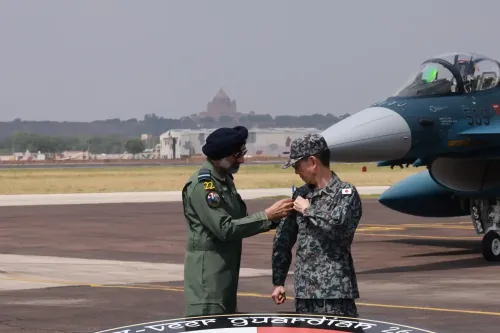
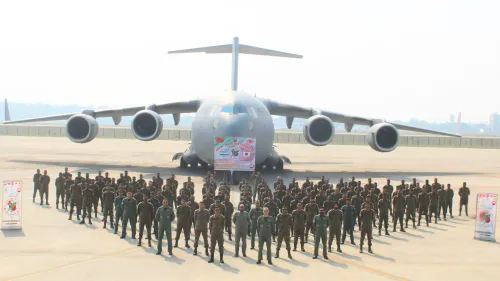
The ground-level visit follows closely on the heels of the bilateral air exercise Veer Guardian 2026, which concluded at Air Force Station Jodhpur on 22 September 2026. The exercise brought together the Indian Air Force (IAF) and the Japan Air Self-Defence Force (JASDF) and served as a platform for enhancing interoperability between the two air arms.
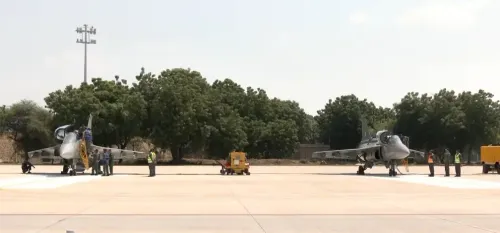
The IAF deployed a mix of aircraft including the Su-30 MKI, Rafale, and the indigenously developed Light Combat Aircraft (LCA) Tejas, while the JASDF participated with the F-2A fighter aircraft, according to the Ministry of Defence.
High-Level Political Dialogue on Defence Technology
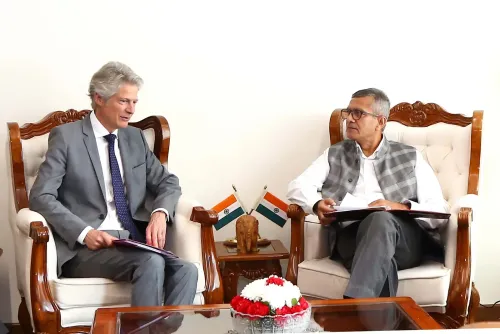
Complementing these military-level exchanges, Defence Secretary Rajesh Kumar Singh met Taro Kono, Director General of International Cooperation at Japan's Liberal Democratic Party (LDP), in New Delhi on 22 September 2026. The meeting, which included a visiting delegation of Japanese parliamentarians from the LDP, covered bilateral defence technology collaboration, joint exercises, and regional security cooperation for peace and stability in the Indo-Pacific.
The Ministry of Defence described the exchange as 'productive', noting that both sides reviewed frameworks for deeper cooperation across military and technological domains — a signal that the India-Japan defence partnership is advancing on multiple tracks simultaneously.
Why This Matters for the Indo-Pacific
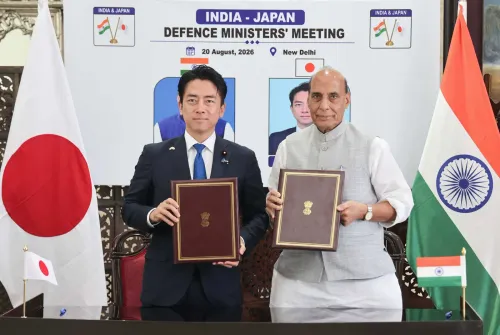
This flurry of activity — a ground-force study tour, a bilateral air exercise, and a parliamentary-level defence dialogue — reflects the growing strategic depth of India-Japan ties. Both nations are Quad members and share convergent interests in a free and open Indo-Pacific, particularly as regional security pressures mount. Notably, this is at least the second major India-Japan military engagement within a single month, underscoring the pace at which the bilateral defence relationship is being institutionalised.
All eyes will now be on whether this momentum translates into concrete outcomes, including joint development agreements in defence technology or an expanded calendar of bilateral military exercises in 2027.
Point of View
A joint air exercise with frontline aircraft, and a parliamentary-level dialogue on technology co-development — is striking and deliberate. What mainstream coverage often misses is the institutional architecture being quietly built beneath the headline visits: CLAWS and WARDEC briefings are not ceremonial; they are structured knowledge-sharing sessions that lay the groundwork for interoperability standards and potential joint development. The Quad framing gives both sides diplomatic cover, but the real driver is a shared calculation about the regional balance of power in the Indo-Pacific. The question is whether political will on both sides can translate these frequent engagements into binding agreements — on joint weapons development, technology transfer, or a bilateral logistics pact — before the relationship plateaus at the level of goodwill exercises.
NationPress
9 Oct 2026
Frequently Asked Questions
Why did the Japanese JGSDF delegation visit India in October 2026?
The 34-member delegation from the Japanese Ground Self-Defense Force Command and General Staff Course visited India from 6 to 9 October 2026 as part of its Foreign Study Tour, aimed at deepening bilateral defence cooperation, strengthening professional military ties, and gaining insights into India's defence capabilities and emerging technologies.
Which Indian defence institutions did the Japanese delegation visit?
The delegation interacted with representatives of the Indian Army and the Defence Research and Development Organisation (DRDO), and visited the Centre for Land Warfare Studies (CLAWS) and the Wargame Research and Development Centre (WARDEC).
What was the Veer Guardian 2026 exercise?
Veer Guardian 2026 was a bilateral air exercise between the Indian Air Force and the Japan Air Self-Defence Force that concluded at Air Force Station Jodhpur on 22 September 2026. The IAF deployed Su-30 MKI, Rafale, and LCA Tejas aircraft, while the JASDF flew the F-2A fighter.
What did Defence Secretary Rajesh Kumar Singh and Taro Kono discuss?
Defence Secretary Rajesh Kumar Singh and Taro Kono, Director General of International Cooperation at Japan's Liberal Democratic Party, met in New Delhi on 22 September 2026 to discuss bilateral defence technology collaboration, joint exercises, and regional security cooperation in the Indo-Pacific.
How significant is the India-Japan defence partnership?
India and Japan are both members of the Quad and share strategic interests in a free and open Indo-Pacific. The recent cluster of engagements — ground-force visits, joint air exercises, and high-level political dialogue — reflects an accelerating effort to institutionalise the bilateral defence relationship across military, technological, and diplomatic channels.