Veer Guardian 2026: India-Japan air exercise concludes at Jodhpur with milestone JASDF visit
Synopsis
For the first time in history, Japanese Air Self-Defence Force fighters landed on Indian soil — and the two air chiefs flew India's indigenous Tejas together. Veer Guardian 2026 wrapped up 14 days of advanced combat sorties and expert exchanges at Jodhpur, signalling that India-Japan defence ties have moved well beyond ceremonial intent into operational depth.
Key Takeaways
Veer Guardian 2026 concluded at Air Force Station Jodhpur on 22 September 2026 after a 14-day bilateral air exercise.
This was the first-ever visit of JASDF fighter aircraft to India — described by Defence Minister Rajnath Singh as a milestone for the defence partnership.
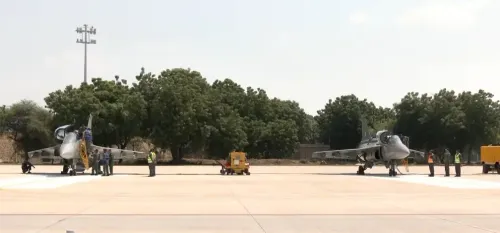
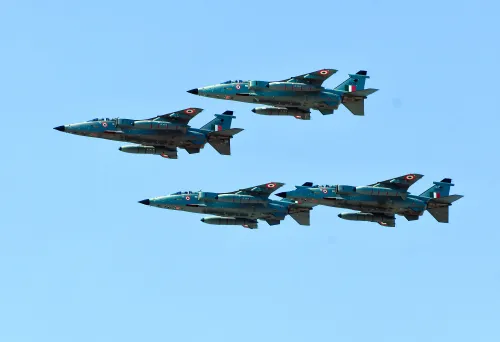
The IAF deployed Su-30 MKI , Rafale , and LCA Tejas ; the JASDF participated with the F-2A fighter aircraft.
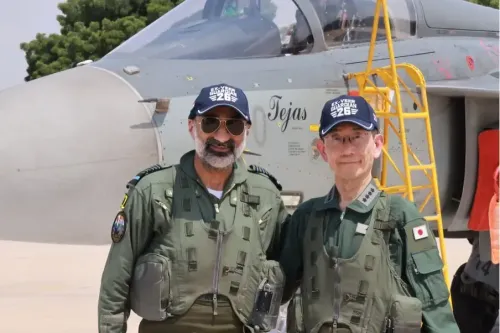
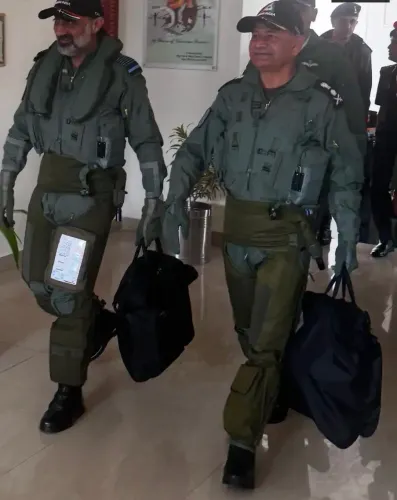
IAF Chief Air Chief Marshal A P Singh and JASDF Chief of Staff General Takehiro Morita both flew the Tejas on Distinguished Visitor's Day.
Ground exchanges included Subject Matter Expert sessions, mission planning conferences, and aerospace safety briefings.
This was the second edition of the Veer Guardian series.
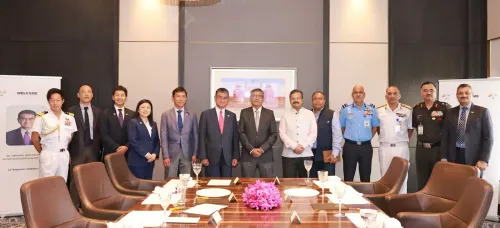
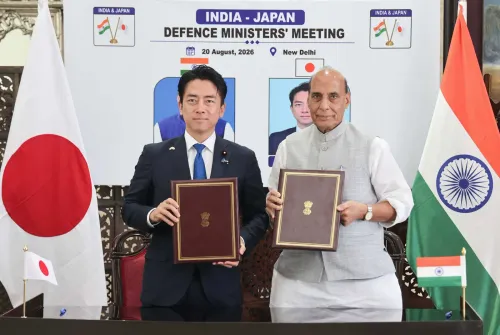
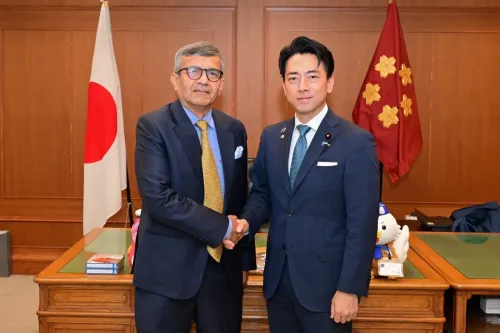
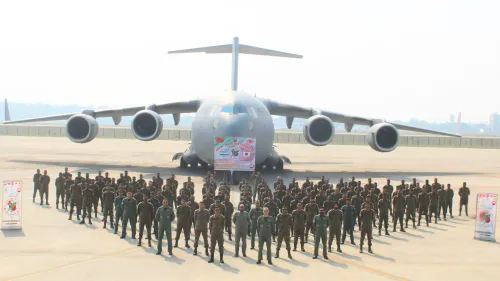
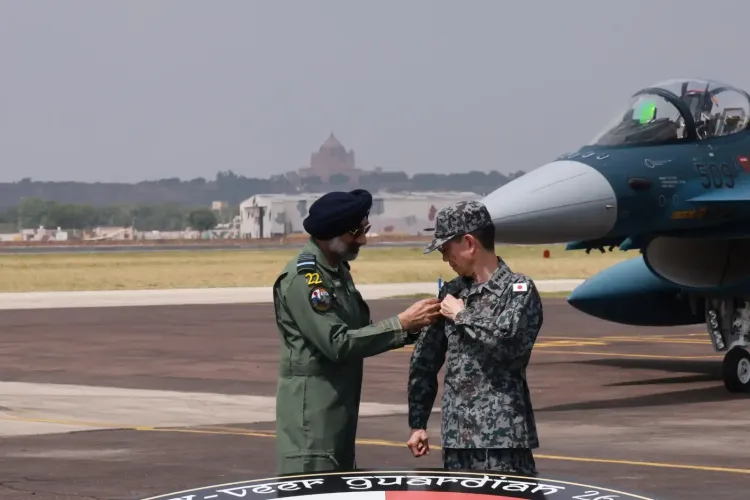
Bilateral air exercise Veer Guardian 2026 between the Indian Air Force (IAF) and the Japan Air Self-Defence Force (JASDF) concluded at Air Force Station Jodhpur on 22 September 2026, with the Ministry of Defence describing it as a vital platform for deepening interoperability and strategic partnership between the two air forces. Notably, this edition marked the first-ever visit of JASDF fighter aircraft to India — a milestone that Defence Minister Rajnath Singh had flagged as a landmark in the bilateral defence relationship.
Aircraft and Missions Deployed
The IAF fielded a diverse mix of platforms, including the Su-30 MKI, the Rafale, and the indigenously developed Light Combat Aircraft (LCA) Tejas. The JASDF participated with its F-2A fighter aircraft. Over the 14-day exercise, both forces flew advanced sorties — including within visual range combat and coordinated multi-aircraft missions — pushing the envelope on joint operational capability.
Ground Exchanges and Knowledge Transfer
Beyond aerial operations, the exercise featured extensive ground-level engagement. The Ministry of Defence noted that personnel from both sides participated in Subject Matter Expert Exchanges, operational discussions, mission planning conferences, engineering interactions, maintenance practices, and aerospace safety briefings. According to the ministry's statement, these sessions gave 'participating contingents an invaluable insight into each other's best practices and learn from each other's unique capabilities.'
Rajnath Singh and the Indo-Pacific Dimension
Defence Minister Rajnath Singh had earlier this month called the maiden JASDF fighter visit to India 'a reflection of our growing trust and shared commitment to peace and stability in the Indo-Pacific.' His remarks on X underscored the geopolitical weight the Centre assigns to India-Japan defence ties, particularly as both nations deepen Quad-aligned cooperation in the region.
Chiefs Fly Tejas — A Symbolic High Point
On Distinguished Visitor's Day, IAF Chief Air Chief Marshal A P Singh and JASDF Chief of Staff General Takehiro Morita both flew the indigenous Tejas at Jodhpur. General Morita described the sortie as a 'powerful symbol of trust, confidence, and friendship' — rare personal diplomacy conducted at altitude. This was the second edition of the Veer Guardian series, which was launched to institutionalise air combat cooperation between the two democracies.
What Comes Next
The Ministry of Defence's closing statement indicated that the exercise 'continues to pave the way for enhanced collaboration and strategic depth of the defence partnership between India and Japan.' With the Tejas now flown by a JASDF chief and JASDF fighters having touched down on Indian soil for the first time, both sides appear set to raise the frequency and complexity of future editions.
Point of View
Combined with both air chiefs flying the Tejas together, is the kind of operational symbolism that takes years to arrange and signals deep mutual trust. In the context of a tense Indo-Pacific, where China's aerial posture is a shared concern for both New Delhi and Tokyo, institutionalising joint air combat routines is a concrete step toward interoperability that words at summits cannot replicate. The Tejas sortie by General Morita is also a quiet endorsement of India's indigenous defence ambitions — the kind of validation that PLI and export strategies need more of.
NationPress
22 Sept 2026
Frequently Asked Questions
What is Exercise Veer Guardian 2026?
Veer Guardian 2026 is the second edition of a bilateral air exercise between the Indian Air Force and Japan's Air Self-Defence Force, held at Air Force Station Jodhpur from 9 to 22 September 2026. The 14-day drill involved advanced combat missions, ground exchanges, and joint operational planning.
Why was Veer Guardian 2026 historically significant?
This edition marked the first-ever visit of JASDF fighter aircraft to India, which Defence Minister Rajnath Singh described as a milestone for the India-Japan defence partnership. Both air chiefs also flew the indigenous LCA Tejas together on Distinguished Visitor's Day.
Which aircraft participated in Veer Guardian 2026?
The IAF deployed the Su-30 MKI, Rafale, and indigenously built LCA Tejas. The JASDF participated with the F-2A fighter aircraft. Missions included within visual range combat and coordinated multi-aircraft sorties.
What ground activities took place during the exercise?
Beyond flying missions, both sides held Subject Matter Expert Exchanges, mission planning conferences, engineering interactions, maintenance practice sessions, and aerospace safety briefings, enabling each force to gain insight into the other's best practices and unique capabilities.
How does Veer Guardian fit into the broader India-Japan strategic relationship?
The exercise is part of a deepening India-Japan defence partnership that aligns with both countries' shared interest in Indo-Pacific stability and Quad-framework cooperation. Rajnath Singh noted it reflects 'growing trust and shared commitment to peace and stability in the Indo-Pacific.'