Will the Jharkhand Assembly’s Winter Session Foster Constructive Participation?
Synopsis
As the Jharkhand Assembly prepares for its Winter Session, Speaker Rabindra Nath Mahato leads an all-party meeting to ensure a cooperative environment. With significant discussions on development and legislative actions, all eyes are on how the government and opposition will engage in this crucial session.
Key Takeaways
Winter Session of the Jharkhand Assembly starts on December 5.
Speaker emphasized the need for constructive participation .
Key issues include development and budget discussions.
Opposition plans to address public concerns during Question Hour .
Expect intense debates between ruling and opposition parties.
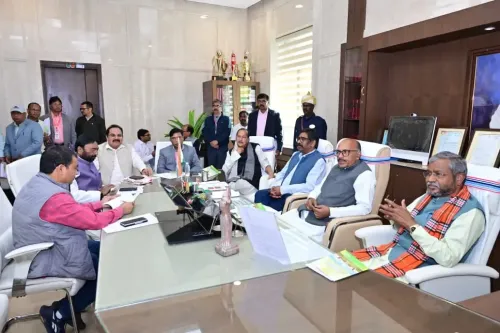
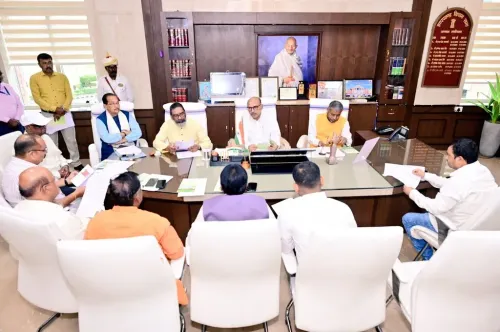
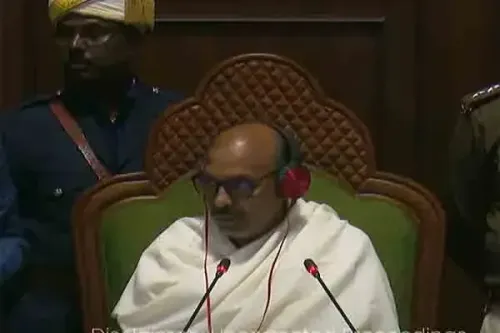
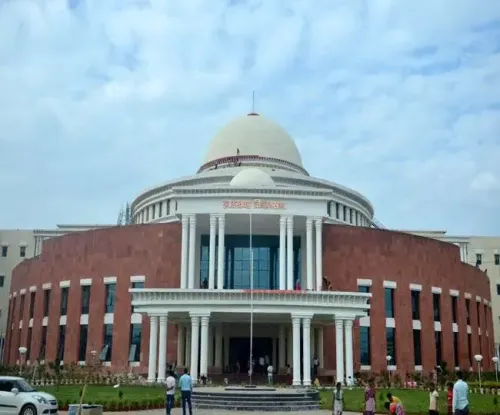
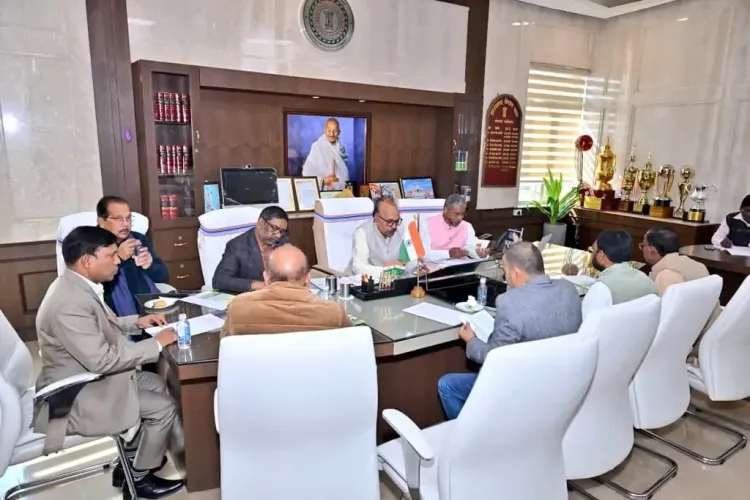
Ranchi, Dec 4 (NationPress) The Winter Session of the Jharkhand Assembly is set to commence on Friday, with Speaker Rabindra Nath Mahato having called for an all-party gathering prior to its start.
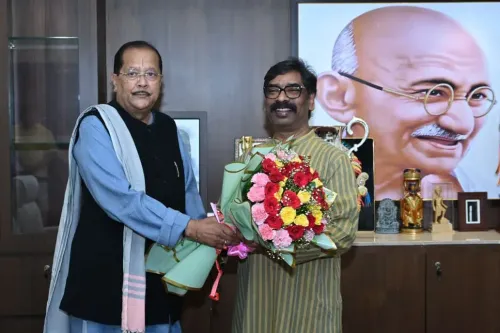
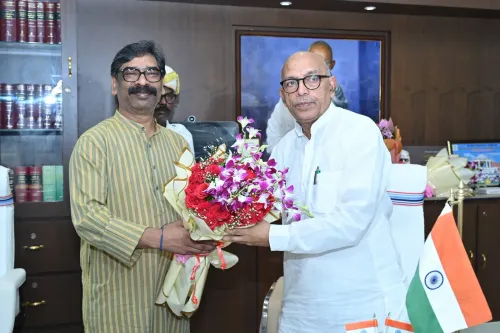
At this all-party meeting, the Speaker emphasized the importance of both the ruling coalition and the opposition working together for a constructive and well-organized session. All parties expressed their commitment to support the session proceedings.
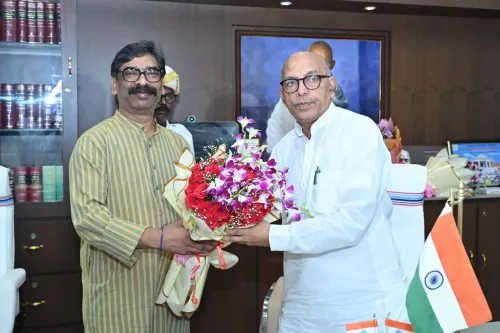
Attendees included Chief Minister Hemant Soren, Parliamentary Affairs Minister Radha Krishna Kishore, Leader of the Opposition Babulal Marandi, RJD Legislature Party leader Suresh Paswan, LJP-R's Janardan Paswan, AJSU's Nirmal Mahto, and CPI-ML's Arup Chatterjee.
Key discussions revolved around upholding decorum during debates, ensuring timely legislative business, and conducting Question Hour with due seriousness.
This five-day session, running from December 5 to 11, is anticipated to witness debates on several pressing issues, with the supplementary budget slated for presentation on December 8. Question Hour will take place over four days, during which the opposition aims to address a variety of public concerns.
Notably, this session marks the one-year anniversary of the current Hemant Soren government. The opposition, particularly the BJP, is preparing to challenge the government over allegations of sluggish development, corruption, and administrative failures, as highlighted in a recently released 'charge sheet' against the state government.
Conversely, the ruling JMM-Congress alliance intends to counter these criticisms by showcasing advancements across various sectors and departmental achievements. Numerous significant bills are expected to be debated during the course of the session.
The government will present updates on programs related to rural and urban development, agriculture, health, and education, while the opposition will likely focus on concerns surrounding law and order, unemployment, mining operations, corruption, and recruitment.
Intense exchanges between the treasury and opposition benches are anticipated on multiple issues throughout the session.
Point of View
It is essential to recognize the significance of the upcoming Winter Session of the Jharkhand Assembly. The collaboration between ruling and opposition parties is vital for addressing pressing public issues. This session will not only reflect the government's accountability but also test the opposition's ability to present constructive criticism. The outcomes here could have lasting impacts on governance and public trust.
NationPress
27 Sept 2026
Frequently Asked Questions
When does the Winter Session of the Jharkhand Assembly start?
The Winter Session of the Jharkhand Assembly commences on December 5 and runs until December 11.
What is the purpose of the all-party meeting held before the session?
The all-party meeting aims to ensure cooperation between the ruling coalition and the opposition for a productive and orderly session.
What key issues will be discussed during the session?
Key issues include the supplementary budget, development concerns, and public issues raised by the opposition during Question Hour.
Who are some notable attendees at the all-party meeting?
Notable attendees included Chief Minister Hemant Soren, Parliamentary Affairs Minister Radha Krishna Kishore, and Leader of the Opposition Babulal Marandi.
What can we expect from the opposition during this session?
The opposition, particularly the BJP, is expected to challenge the government on issues of corruption, stalled development, and administrative inaction.