Has the Jharkhand Cabinet Cleared PESA Rules for Tribal Self-Governance?

Synopsis
The Jharkhand Cabinet's recent approval of PESA rules marks a pivotal advancement for tribal self-governance in scheduled areas. With the PESA Act set for implementation, local communities are poised to gain significant control over their resources and governance.
Key Takeaways
Cabinet Approval: The Jharkhand Cabinet approved rules for the PESA Act.
Empowerment: Gram Sabhas will have enhanced powers in governance.
Immediate Effect: The law will take effect once officially notified.
Community Control: Local communities gain control over natural resources.
Significant Step: This marks a move towards tribal self-governance.
Ranchi, Dec 23 (NationPress) The journey towards reinstating traditional self-governance in the scheduled regions of Jharkhand has taken a significant leap forward. On Tuesday, the state cabinet endorsed the regulations necessary for the execution of the Panchayat Extension to Scheduled Areas (PESA) Act of 1996.
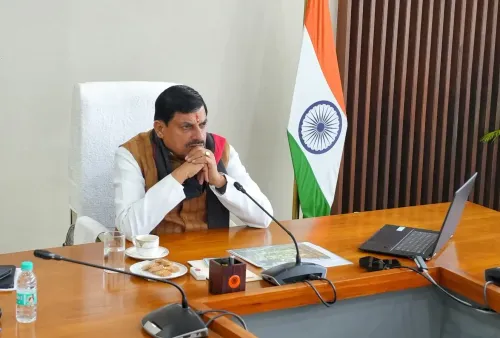
This pivotal decision, made during a cabinet assembly led by Chief Minister Hemant Soren, marks the conclusion of a prolonged delay in activating this central law within the state.
The ratification of these rules now allows for the effective application of the PESA Act, which has been stalled in Jharkhand for numerous years.
After the cabinet session, Chief Minister Soren stated that the regulations were developed following comprehensive consultations and inter-departmental dialogues.
“We have crafted the rules for the PESA law after consulting various levels and gathering input from multiple departments. Today, the cabinet has dedicated these efforts to the people of Jharkhand. We anticipate that this law will significantly benefit those residing in the scheduled areas,” Soren remarked.
Cabinet Secretary Vandana Dadel mentioned that the newly established rules considerably enhance the responsibilities and powers of Gram Sabhas, ensuring that tribal communities can actively participate in governance and manage local resources effectively.
According to the rules, Gram Sabhas will now possess the power to oversee and approve mining operations within their territory and will have a critical role in matters concerning land acquisition. They are also granted legal rights regarding the conservation, use, and management of forest land.
These provisions are expected to reinforce local communities' control over their traditional systems, cultural heritage, and natural resources.
The government clarified that the law will take effect immediately after the PESA regulations are officially notified. Gram Sabhas will be prioritized in the design and execution of development initiatives, while traditional Gram Sabhas have been acknowledged and permitted to formally recognize their customs and practices.
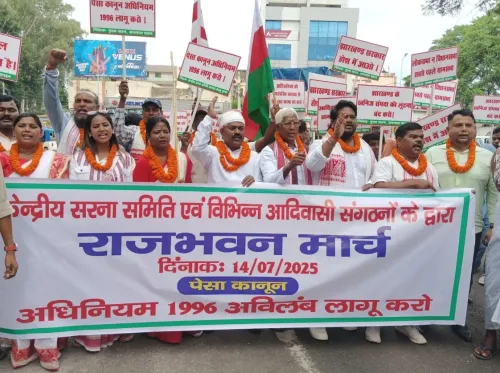
The PESA Act will be put into action in 15 scheduled districts of Jharkhand, where there has been a longstanding demand for its enforcement. The cabinet's decision is perceived as a crucial advancement towards tribal self-governance and democratic decentralization in the state.
Earlier in September, the Jharkhand High Court had put a hold on the allocation of leases for sand quarries and other minor minerals, citing the failure to implement the PESA Act.
On Tuesday, the matter was also addressed by the High Court, during which the state government informed the court that the draft PESA rules were being presented before the cabinet on the same day.
Point of View
The approval of PESA rules by the Jharkhand Cabinet is a significant step towards enhancing tribal self-governance. This move not only aligns with constitutional mandates but also addresses long-standing demands for empowerment among tribal communities. It reflects a commitment to democratic decentralization and ensures that local voices are heard in governance processes, a trend that should be observed closely across other states.
NationPress
30 Sept 2026
Frequently Asked Questions
What is the PESA Act?
The Panchayat Extension to Scheduled Areas (PESA) Act, 1996, aims to enhance self-governance among tribal populations in scheduled areas by extending the provisions of the Panchayati Raj system.
When will the PESA rules come into effect?
The PESA rules will come into force immediately after they are formally notified by the government.
What powers do Gram Sabhas have under the new rules?
Under the new rules, Gram Sabhas can monitor and approve mining activities and play a key role in land acquisition and forest management decisions.
How many districts will the PESA Act be implemented in?
The PESA Act will be implemented in 15 scheduled districts of Jharkhand.
What was the reaction of the Jharkhand High Court regarding the PESA Act?
The Jharkhand High Court had previously stayed the allocation of leases for minor minerals due to the non-implementation of the PESA Act.