Red hibiscus prices surge fivefold in Kolkata on Kali Puja 2026
Synopsis
Kali Puja and Diwali falling on the same day in 2026 has sent red hibiscus prices in Kolkata soaring more than fivefold, with a 1,008-flower ceremonial garland now costing up to ₹1,200 — roughly 50% more than last year. Lotus has doubled in price too, and several South Kolkata retailers have stopped selling individual blooms entirely, opting for more profitable garland sales.
Key Takeaways
Red hibiscus garlands of 108 flowers are selling at ₹150–₹200 in Kolkata on 8 November 2026 , up from ₹25–₹30 a week ago — a more than fivefold rise.
A 1,008-flower red hibiscus garland now costs ₹1,000–₹1,200 , compared to ₹700–₹800 during last year's Kali Puja.
Retailers at Gariahat and Kasba markets in South Kolkata have stopped selling individual red hibiscus pieces, citing better margins on garlands.
Lotus prices have more than doubled, from ₹10–₹15 to ₹30–₹35 per bloom.
Saffron marigold is at ₹180–₹200/kg and yellow marigold at ₹210–₹220/kg on Sunday.
The simultaneous occurrence of Kali Puja and Diwali on the same date has amplified the typical seasonal price surge.
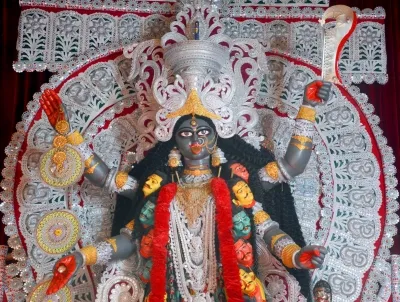
Red hibiscus flowers, an essential offering in Kali Puja rituals, have shot up more than fivefold in price across Kolkata's retail markets on Sunday, 8 November, as the festival coincides this year with Diwali, compressing demand into a single day and squeezing supplies across the supply chain.
How Much Prices Have Jumped
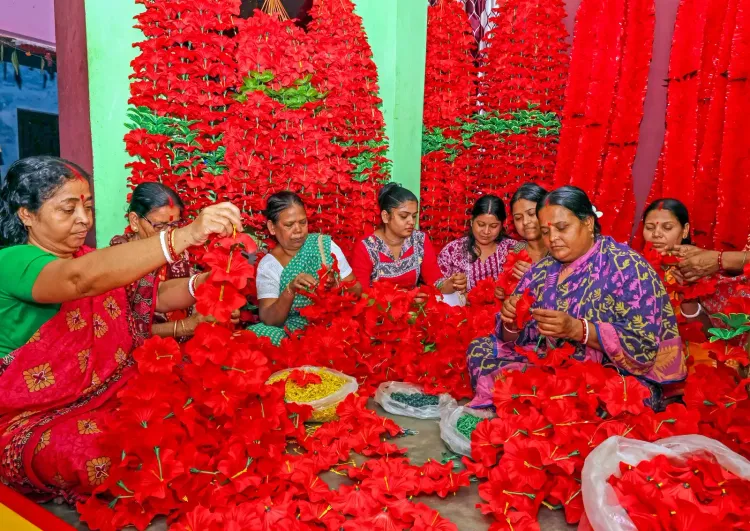
A garland of 108 red hibiscus flowers is currently retailing between ₹150 and ₹200, depending on the locality — up sharply from ₹25 to ₹30 just a week ago. The jump is even more pronounced for the larger ceremonial garland: a string of 1,008 red hibiscus flowers, traditionally in demand on Kali Puja and special occasions, is selling between ₹1,000 and ₹1,200 on Sunday, against ₹700 to ₹800 during last year's festival — roughly a 50% year-on-year rise.
Why the Price Surge Happens Every Year — and Why It's Steeper This Time
According to flower-market retailers, red hibiscus is in steady demand through the year, but Kali Puja triggers a sharp, concentrated spike. This year, the overlap with Diwali has amplified that effect. A retailer from Gariahat market in South Kolkata explained the mechanics: 'The increase in the price of red hibiscus starts from the point of farmers, who sell their products at premium prices, the cascading effect of which is automatically felt first in the wholesale markets and then in the retail markets.' The result is a price ladder that travels from farm gate to wholesale to retail within days.
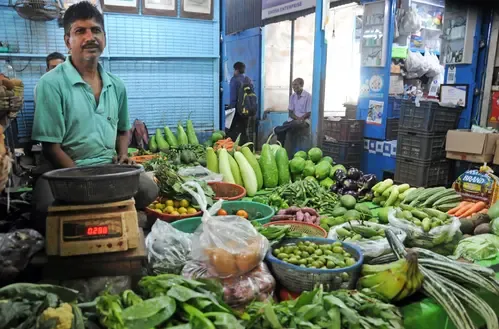
Notably, several retail sellers across the city have stopped offering individual red hibiscus flowers on Sunday altogether. A trader at Kasba Market, also in South Kolkata, said selling single blooms would be unprofitable, as garland pricing bundles both the flower cost and the labour charge for stringing — giving garland sales a margin advantage over loose-piece sales.
Other Puja Flowers Also Hit Hard
Red hibiscus is not the only flower bearing the festival premium. Lotus, another prominent Kali Puja offering, has more than doubled in price: a bloom that was selling at ₹10 to ₹15 last week is now priced between ₹30 and ₹35. Meanwhile, saffron marigold is retailing between ₹180 and ₹200 per kg, and yellow marigold between ₹210 and ₹220 per kg on Sunday.
What This Means for Devotees
For households observing Kali Puja with the customary 1,008-flower ritual, the outlay on flowers alone has risen by several hundred rupees compared to last year — a pinch that is especially felt in middle-income and working-class neighbourhoods. The convergence of two major festivals on a single date is a once-in-several-years occurrence, and flower traders and devotees alike are navigating supply constraints that the market had little time to adjust to. Prices are expected to normalise from Monday as festival demand subsides.
Point of View
But the Kali Puja–Diwali overlap makes it sharper than usual — two high-demand events compressing into one market day with no buffer time for supply to adjust. The farm-to-retail price cascade the Gariahat retailer described is worth flagging: price discovery starts at the farm gate, meaning the farmer captures some of the premium, but intermediaries and labour costs amplify it at every link in the chain. What this year's spike illustrates is how thin the resilience of perishable flower supply chains is in Indian metro markets — a single calendar coincidence is enough to triple or quadruple retail prices within 48 hours, with no price-smoothing mechanism available to consumers.
NationPress
8 Nov 2026
Frequently Asked Questions
Why have red hibiscus prices spiked in Kolkata for Kali Puja 2026?
Red hibiscus prices have surged more than fivefold in Kolkata because Kali Puja and Diwali fall on the same day in 2026, compressing demand from two festivals into a single date and overwhelming available supplies. Farmers began charging premium prices at the farm gate, and that increase cascaded through wholesale and retail markets.
What is the current price of a red hibiscus garland in Kolkata?
A garland of 108 red hibiscus flowers is selling between ₹150 and ₹200 in retail markets on 8 November 2026, up from ₹25–₹30 the previous week. A larger ceremonial garland of 1,008 flowers is priced between ₹1,000 and ₹1,200.
How do this year's prices compare to last year's Kali Puja?
The 1,008-flower garland, which sold for ₹700–₹800 during last year's Kali Puja, is now priced at ₹1,000–₹1,200 — roughly a 50% year-on-year increase. The 108-flower garland has seen an even steeper percentage jump, rising from around ₹25–₹30 to ₹150–₹200.
Are other flowers also more expensive during Kali Puja 2026?
Yes. Lotus prices have more than doubled, rising from ₹10–₹15 to ₹30–₹35 per bloom. Saffron marigold is selling at ₹180–₹200 per kg and yellow marigold at ₹210–₹220 per kg on Sunday.
When will flower prices return to normal in Kolkata?
Prices are expected to ease from Monday, 9 November 2026, as Kali Puja demand subsides. The spike is seasonal and driven by the one-day festival confluence; normal retail rates are expected to resume within a day or two.