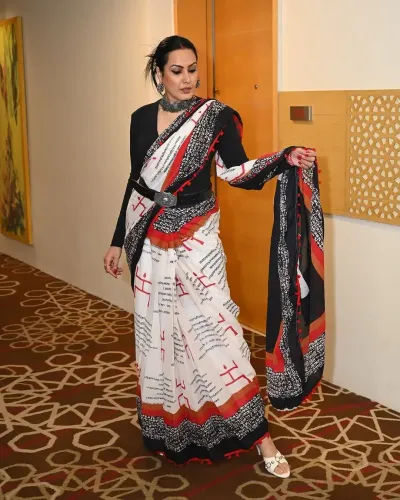
Kalpana Iyer recalls 1975 Navy Queen contest in a borrowed saree
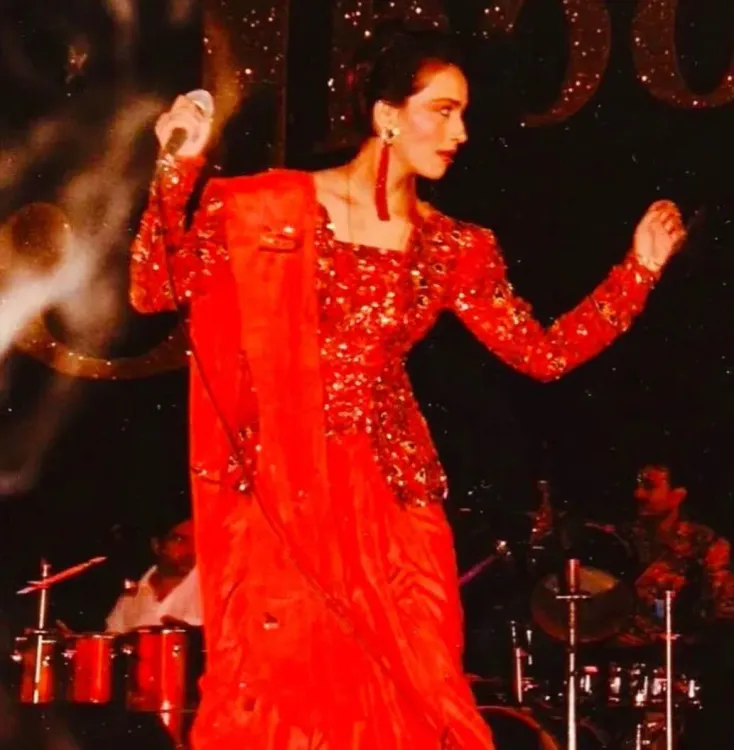
Synopsis
Kalpana Iyer’s Instagram post is a masterclass in understated resilience: a borrowed saree, an unmatched blouse, and waist-length hair were enough to make her First Runner-Up at the 1975 Navy Queen contest — and launch a career that reached the Miss World 1978 Final 15 and spanned some of Hindi cinema’s most beloved films of the era.
Key Takeaways
Kalpana Iyer entered the Navy Queen Beauty Contest in November 1975 wearing a borrowed saree and placed as First Runner-Up .
Winner Anna Bredemeyer became a pivotal figure who, along with another woman, shaped Iyer’s early career through 1978 .
Her first fashion show came within a week after Tina Munim withdrew from a Delhi show; trainer Esther Mathias prepared her at short notice.
Iyer reached the Final 15 among 70 contestants at Miss World 1978 and won Most Popular Candidate at Miss Teenage Intercontinental 1976 .
She deliberately signed no exclusivity contracts , working across brands and shows throughout her peak period of 1975–1979 .
Her film credits include Disco Dancer , Satte Pe Satta , and Wardat , among others.
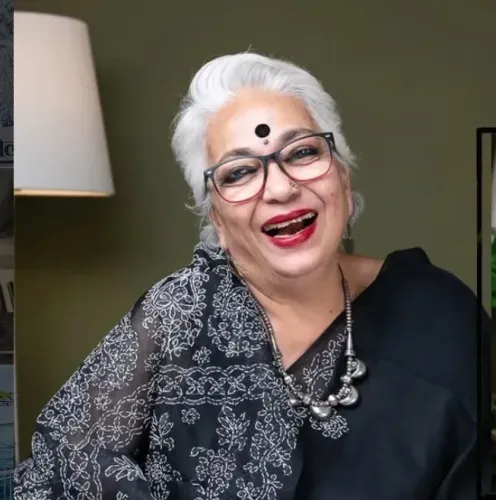
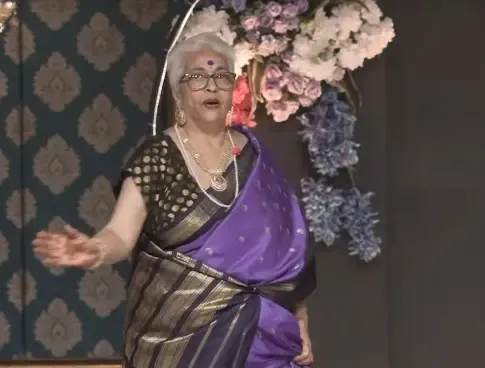
Veteran actress Kalpana Iyer has opened up about the humble origins of her celebrated career, recounting how she walked into the Navy Queen Beauty Contest in November 1975 wearing a borrowed saree, an unmatched blouse, and little else beyond kajal, lipstick, and waist-length hair — and walked out as First Runner-Up. The nostalgic account, shared on her Instagram account alongside throwback photographs, traces a journey that took her from that single contest to the Miss World 1978 final and a prominent career in Hindi cinema.
The Contest That Changed Everything
In her own words, Iyer described the evening with characteristic candour: Anna Bredemeyer took the top prize, but the encounter proved far more consequential than a runner-up ribbon. Iyer wrote that the woman who won “would change my life in ways I still can’t believe,” crediting her and one other woman for setting in motion everything that followed through to 1978.
Notably, her first professional fashion show opportunity arrived within a week of the contest — and only because Tina Munim had pulled out of a Delhi show at short notice. Iyer was dispatched by Vimla to veteran trainer Esther Mathias for a rapid rehearsal, and the rest, she says, unfolded without pause.
A Rapid Rise Through Fashion and Pageants
Between 1975 and 1979, Iyer describes a relentless schedule of fashion shows, advertisement campaigns, and ad films. She reached the finals of the Miss Teenage Intercontinental 1976 pageant, winning the Most Popular Candidate award, before representing India at Miss World 1978, where she placed in the Final 15 among 70 contestants.
Crucially, she says she signed no exclusivity contract with any agency or brand during this period — a deliberate choice that allowed her to work across the industry’s full spectrum. “I was so happy and proud because all that happened was a dream and it gave me and mine so much financial stability and confidence and happiness,” she wrote.
From the Ramp to the Screen
The momentum from the fashion circuit carried Iyer into Hindi cinema, where she became a recognisable face through the late 1970s and 1980s. Her filmography includes several commercially successful titles: Disco Dancer, Satte Pe Satta, Anokha Rishta, Armaan, Humse Hai Zamana, and Wardat, among others.
Gratitude as the Throughline
Iyer’s post is striking not for bitterness about the borrowed saree but for the gratitude it expresses toward the women who backed her — Vimla, Esther Mathias, and Anna Bredemeyer among them. The account reflects a broader arc: an industry where informal networks of women mentoring women quietly shaped careers that mainstream histories rarely credit. The period 1975–1979 remains, in her words, “my favourite period.”
Iyer’s reflection arrives at a moment when conversations around women’s professional journeys in Indian entertainment are gaining renewed attention, lending her story a resonance beyond nostalgia.
Point of View
Trust-based mentorship that no institution formalised. What mainstream coverage of her career tends to foreground are the film credits; what her post surfaces is the invisible scaffolding of women who made those credits possible.
NationPress
12 Oct 2026
Frequently Asked Questions
What is the story behind Kalpana Iyer’s borrowed saree?
Kalpana Iyer wore a borrowed saree, an unmatched blouse, and minimal makeup when she competed in the Navy Queen Beauty Contest in November 1975. She placed as First Runner-Up, and the connections she made that evening launched her modelling and pageant career.
Who won the 1975 Navy Queen Beauty Contest?
Anna Bredemeyer won the 1975 Navy Queen Beauty Contest. Iyer placed as First Runner-Up and has credited Bredemeyer as one of the key figures who shaped her subsequent career.
How did Kalpana Iyer get her first fashion show?
Her first fashion show opportunity came within a week of the Navy Queen contest, after Tina Munim pulled out of a Delhi show at short notice. Iyer was recommended by Vimla and trained rapidly by veteran Esther Mathias before the event.
How did Kalpana Iyer perform at Miss World 1978?
Kalpana Iyer reached the Final 15 among 70 contestants at Miss World 1978. She had earlier won the Most Popular Candidate award at Miss Teenage Intercontinental 1976.
Which films is Kalpana Iyer known for?
Kalpana Iyer is known for several popular Hindi films from the late 1970s and 1980s, including Disco Dancer, Satte Pe Satta, Anokha Rishta, Armaan, Humse Hai Zamana, and Wardat.