Kanhaiya Kumar gets bail in 2019 MCC violation case in Begusarai
Synopsis
Six years after a campaign poster allegedly pasted without permission triggered an MCC complaint, Kanhaiya Kumar walked into a Begusarai court, surrendered, and walked out on a ₹10,000 bail bond. The case is a reminder that electoral code violations from 2019 are still winding through India's judicial system.
Key Takeaways
Kanhaiya Kumar was granted bail on a personal bond of ₹10,000 by a Begusarai court on Monday .
The case stems from an alleged MCC violation on 26 April 2019 , involving campaign posters near Karpoori Sthan in Rudauli village.
The complaint was filed by Kamlesh Rai , then Block Cooperative Officer , leading to Bachhwara PS Case No.
Kumar had contested the 2019 Lok Sabha election from Begusarai as a Communist Party of India (CPI) candidate before joining the Indian National Congress .
The case will continue through the judicial process with further hearings to be scheduled.
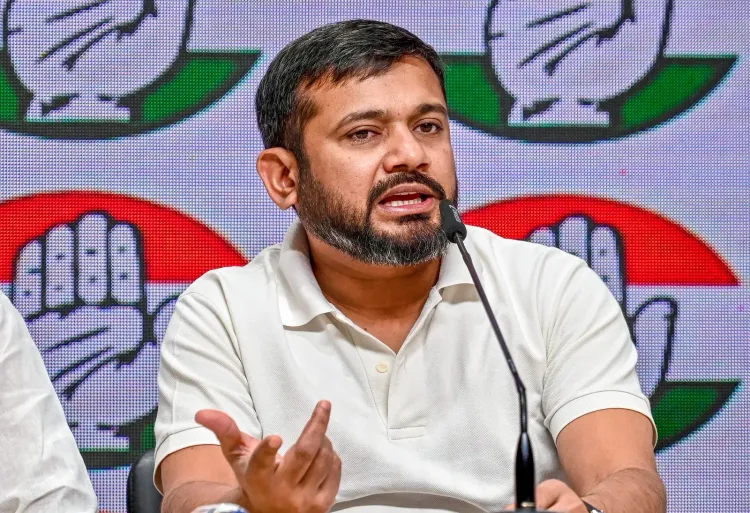
Congress leader and former JNU Students' Union president Kanhaiya Kumar was granted bail by a local court in Begusarai on Monday in a case alleging violation of the Model Code of Conduct (MCC) during the 2019 Lok Sabha elections. The court of Additional Chief Judicial Magistrate (First) Vivek Chandra Verma granted him bail on a personal bond of ₹10,000 after hearing arguments from both sides.
Background of the Case
The case traces back to 26 April 2019, when campaign material bearing Kumar's name and photograph was allegedly pasted on a wall near Karpoori Sthan in Rudauli village, under the Bachhwara Police Station area of Begusarai. The administration alleged that displaying election posters in a public place without prior permission constituted an MCC violation.
The complaint was filed by Kamlesh Rai, who was then serving as the Block Cooperative Officer, and was reported to Bachhwara Police Station. Police subsequently registered Bachhwara Police Station Case No. 73/2019, and legal proceedings have continued since.
Kumar's Appearance Before Court
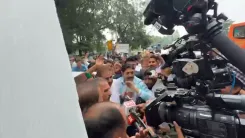
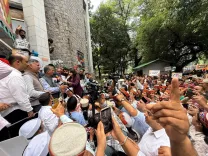
Kumar surrendered voluntarily before the court on Monday and filed a bail application through his counsel. His legal team stated that he had appeared of his own accord and respected the judicial process. Given the high-profile nature of the case, security was heightened around the court premises, and several supporters and residents gathered at the complex during the proceedings.
Political Context
During the 2019 Lok Sabha elections, Kumar had contested from the Begusarai parliamentary constituency as a candidate of the Communist Party of India (CPI). He subsequently joined the Indian National Congress after the election. The case has drawn attention given his prominence as a national political figure and his earlier role as a student leader.
What Happens Next
With bail granted, the case will proceed through the normal judicial process, with further hearings scheduled as per court calendar. The MCC violation charge relates specifically to the alleged unauthorised display of campaign material — a relatively common category of electoral offence that courts typically adjudicate over extended timelines.
Point of View
Long after their political affiliations have changed. Kumar contested 2019 as a CPI candidate and is now a Congress leader — yet a complaint about an unauthorised poster continues to demand court appearances. India's election complaint machinery is thorough, but its pace raises questions about proportionality: a ₹10,000 bail bond case consuming judicial bandwidth for over six years is not an anomaly, it is the norm. The more pointed question is whether the MCC enforcement framework needs a faster-track disposal mechanism for minor procedural violations of this kind.
NationPress
12 Oct 2026
Frequently Asked Questions
Why was Kanhaiya Kumar in court in Begusarai?
Kanhaiya Kumar surrendered before the court of Additional Chief Judicial Magistrate (First) Vivek Chandra Verma in Begusarai in connection with a 2019 Model Code of Conduct violation case. The case alleges that campaign material bearing his name was displayed without prior permission during the 2019 Lok Sabha elections.
What is the 2019 MCC violation case against Kanhaiya Kumar?
The case, registered as Bachhwara Police Station Case No. 73/2019, relates to campaign posters bearing Kumar's name and photograph allegedly pasted on a wall near Karpoori Sthan in Rudauli village on 26 April 2019, without prior administrative permission. The complaint was filed by Block Cooperative Officer Kamlesh Rai.
What bail was granted to Kanhaiya Kumar?
The court granted Kanhaiya Kumar bail on a personal bond of ₹10,000 after hearing arguments from the prosecution and defence. His legal team said he had voluntarily appeared before the court.
Which party did Kanhaiya Kumar represent in the 2019 Lok Sabha election?
Kanhaiya Kumar contested the 2019 Lok Sabha election from the Begusarai parliamentary constituency as a candidate of the Communist Party of India (CPI). He joined the Indian National Congress after the election.
What happens next in the case?
With bail granted, the case will continue through the regular judicial process and further hearings will be held as scheduled by the court. No verdict has been delivered; the matter remains under trial.