Karnataka cannot release Cauvery water to TN, says CM Shivakumar amid shortfall
Synopsis
The Supreme Court on 20 November dismissed Tamil Nadu’s bid to force Karnataka to release 11 TMC of Cauvery water, with Karnataka CM Shivakumar declaring the state lacks enough water even for drinking needs after 40 per cent below-normal rainfall. The ruling temporarily eases pressure on Karnataka but leaves Tamil Nadu’s delta farmers without relief ahead of the rabi season.
Key Takeaways
Shivakumar stated on 20 November 2026 that Karnataka cannot release Cauvery water to Tamil Nadu due to a drinking and irrigation water shortfall.
The Supreme Court dismissed two applications filed by Tamil Nadu seeking release of 11 TMC of Cauvery river water.
The bench of Justice Vikram Nath and Justice Aparesh Kumar Singh also indicated a third Tamil Nadu application would be dismissed.
Water Resources Minister N.
Cheluvarayaswamy said Karnataka faces drinking water difficulties until at least June next year.
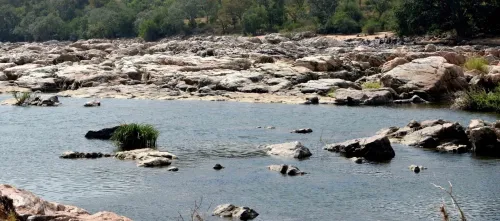
Karnataka received approximately 40 per cent less rainfall than normal this season, forcing curtailment of irrigation releases.
The CWMA and CWRC continue to review water-sharing arrangements every 15 days .
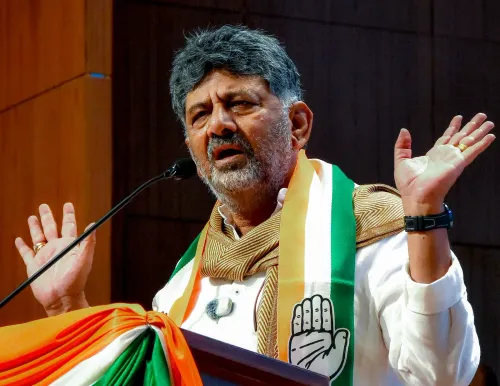
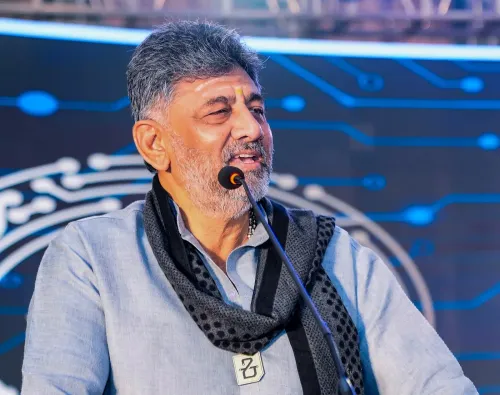
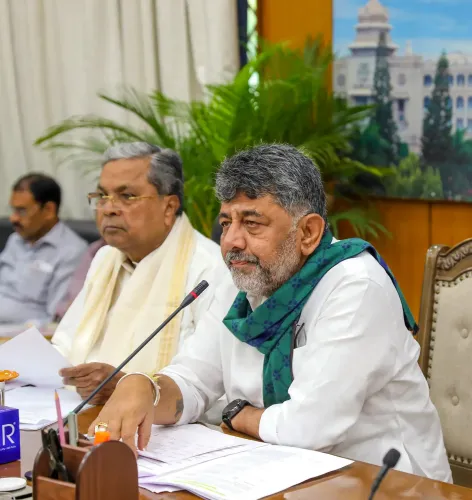
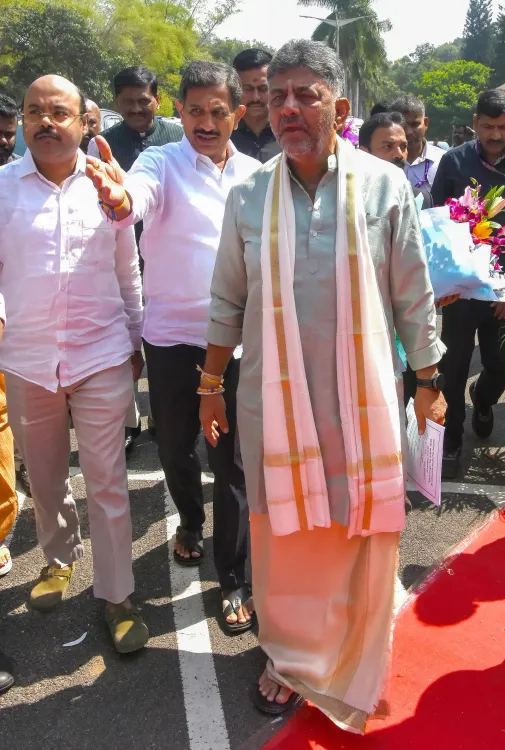
Karnataka Chief Minister D.K. Shivakumar on Friday, 20 November 2026, stated that the state cannot release Cauvery river water to Tamil Nadu due to a severe shortfall affecting even drinking water supplies, asserting he would protect the interests of Karnataka and its farming community. His remarks came hours after the Supreme Court dismissed two applications filed by Tamil Nadu seeking directions to release 11 TMC of Cauvery water.
What Shivakumar Said
Speaking to reporters in Bengaluru, Chief Minister Shivakumar said Karnataka would release water to Tamil Nadu only if sufficient reserves were available in its reservoirs — a condition that does not currently hold. “If there is water, we will certainly release water to Tamil Nadu. But, we do not have enough water even for drinking purposes. I will have to protect the interests of the state, and I have asked our farmers to remain watchful,” he said.
Shivakumar also invoked the symbolic Bagina tradition — a religious ceremony performed when reservoirs are full — to underscore the gravity of the shortage. “I have not even been able to fulfil the ‘Bagina’ tradition, which is performed when reservoirs are full,” he added, signalling that Karnataka’s water levels are far below seasonal norms.
Water Resources Minister Flags Drinking Water Crisis Until June
Karnataka Water Resources Minister N. Cheluvarayaswamy echoed the Chief Minister’s position, stating that releasing 11 TMC of Cauvery water to Tamil Nadu was not feasible under current conditions. The minister said the state was struggling to ensure drinking water availability through to June next year.
Cheluvarayaswamy attributed the crisis to Karnataka receiving approximately 40 per cent less rainfall than normal this season. He thanked the Cauvery Water Regulation Committee (CWRC) Chairman and officials for taking Karnataka’s ground reality into account before issuing their order, and also expressed gratitude to the Union Water Resources Ministry.
“The CWRC has issued its order after taking into account the prevailing circumstances. Earlier, the authorities had directed Karnataka to release water to Tamil Nadu. Now, Tamil Nadu had sought the release of 11 TMC of water,” he said.
Supreme Court Dismisses Tamil Nadu’s Applications
A Supreme Court bench comprising Justice Vikram Nath and Justice Aparesh Kumar Singh dismissed the two applications filed by Tamil Nadu on Friday. Justice Nath also indicated that a third application by Tamil Nadu — seeking to place additional documents on record — would similarly be dismissed.
Tamil Nadu had sought immediate enforcement of Cauvery Water Management Authority (CWMA) directions to make good an alleged shortfall of 11 TMC as of 7 October, citing crop damage and inadequate rainfall. The Supreme Court questioned Tamil Nadu over filing another application on the very day of the hearing before proceeding to dismiss both petitions.
Karnataka’s Position Before the Court
Opposing the applications, Karnataka argued that drought conditions across several of its districts had compelled it to curtail irrigation releases. The state further contended that Tamil Nadu would benefit from the Northeast monsoon, whereas Karnataka would receive no comparable rainfall boost. Karnataka also pointed out that the CWMA and the CWRC were already reviewing water-sharing arrangements on a 15-day cycle, making Tamil Nadu’s judicial intervention premature.
Broader Context and What’s Next
The Cauvery water dispute is one of India’s longest-running inter-state river conflicts, governed by a 2018 Supreme Court judgment that allocated shares to Karnataka, Tamil Nadu, Kerala, and Puducherry. This is not the first time below-normal rainfall in Karnataka has triggered a standoff: similar confrontations occurred in 2016 and 2023, with the latter prompting significant farmer unrest in both states.
Notably, the CWRC’s fortnightly review mechanism remains active, meaning water-sharing assessments will continue. With Karnataka’s reservoirs reportedly at critically low levels and Tamil Nadu’s Cauvery-delta farmers citing crop stress, the dispute is unlikely to be fully resolved until the 2027 southwest monsoon replenishes reserves.
Point of View
But it resolves nothing structurally. The Cauvery formula was designed for average rainfall years; a 40 per cent deficit breaks its arithmetic entirely, yet no mechanism exists to automatically revise allocations downward when both states are simultaneously stressed. Shivakumar’s invocation of the Bagina tradition is politically astute but masks a harder question: Karnataka and Tamil Nadu are both climate-vulnerable, and the inter-state water architecture has not been updated to account for increasingly erratic monsoons. Without a drought-contingency protocol embedded in the CWMA framework, this standoff will repeat every deficit year.
NationPress
20 Nov 2026
Frequently Asked Questions
Why is Karnataka refusing to release Cauvery water to Tamil Nadu?
Karnataka says its reservoirs are critically low following roughly 40 per cent below-normal rainfall, leaving the state unable to meet even its own drinking water needs through June next year. Chief Minister D.K. Shivakumar stated on 20 November 2026 that water would be released only when sufficient reserves are available.
What did the Supreme Court decide on 20 November 2026?
The Supreme Court dismissed two applications filed by Tamil Nadu seeking directions to Karnataka to release 11 TMC of Cauvery water. A bench of Justice Vikram Nath and Justice Aparesh Kumar Singh pronounced the order, with Justice Nath also indicating a third Tamil Nadu application would be dismissed.
What is the Cauvery Water Regulation Committee (CWRC)?
The CWRC is a regulatory body that oversees the implementation of Cauvery water-sharing arrangements between Karnataka, Tamil Nadu, Kerala, and Puducherry. It reviews water-sharing data every 15 days alongside the Cauvery Water Management Authority (CWMA) and issues binding orders on releases.
What was Tamil Nadu’s argument before the Supreme Court?
Tamil Nadu sought immediate enforcement of CWMA directions to make good an alleged shortfall of 11 TMC as of 7 October 2026, citing crop damage and inadequate rainfall in its Cauvery delta. The Supreme Court questioned Tamil Nadu over filing an additional application on the day of the hearing before dismissing both petitions.
What happens next in the Cauvery water dispute?
The CWMA and CWRC will continue their fortnightly reviews of water-sharing arrangements. A lasting resolution is unlikely until Karnataka’s reservoirs are replenished, which observers expect will depend on the 2027 southwest monsoon season.