Cauvery water dispute: Supreme Court only option for Tamil Nadu, says Minister Nirmal Kumar
Synopsis
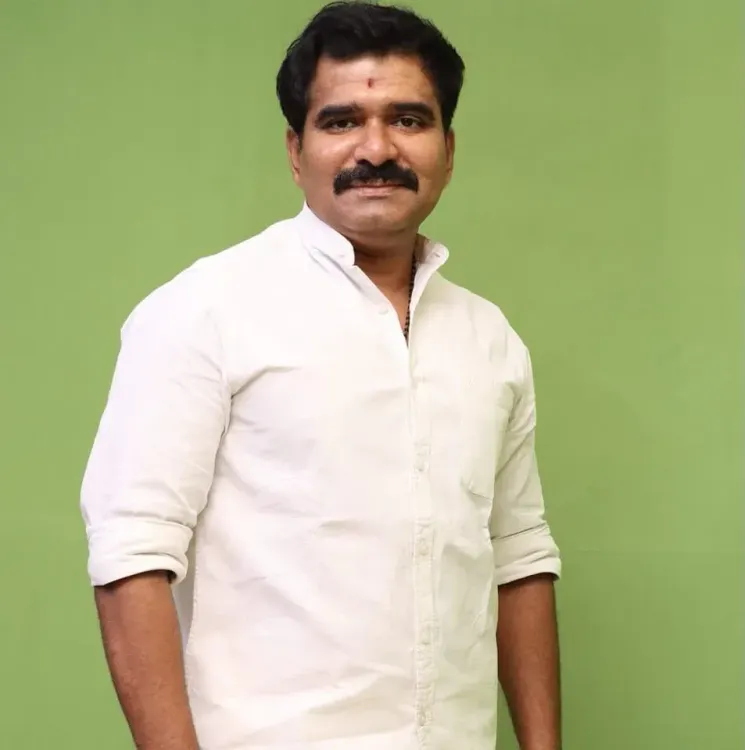
Tamil Nadu Minister Nirmal Kumar has drawn a clear line: no political negotiation, no Centre-mediated deal — only the Supreme Court can compel Karnataka to release Cauvery water. His blunt dismissal of both BJP and Congress governments in Karnataka as equally unwilling to comply signals deepening frustration in Chennai and raises the stakes for any all-party political response.
Key Takeaways
Tamil Nadu Minister Nirmal Kumar on 1 August said the Supreme Court is the only viable option to secure Tamil Nadu's share of Cauvery water from Karnataka.
He alleged both BJP and Congress governments in Karnataka have consistently refused to release water to Tamil Nadu.
Nirmal Kumar criticised the Union Jal Shakti Minister for allegedly supporting Karnataka's proposal to build a new dam.
PMK leader Anbumani Ramadoss 's demand that Rahul Gandhi intervene was rejected, with the minister questioning why no such demand was raised when PMK was allied with Congress.
Joseph Vijay is yet to announce an all-party meeting on the Cauvery situation.
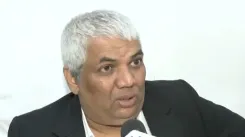
Tamil Nadu Minister Nirmal Kumar on Saturday, 1 August declared that approaching the Supreme Court was the only viable path for Tamil Nadu to secure its rightful share of Cauvery water from Karnataka, alleging that successive governments in the neighbouring state had consistently refused to release water as mandated. Speaking to reporters in Tirunelveli, Nirmal Kumar said the state government would pursue every available legal and administrative measure to protect Tamil Nadu's water rights.
Minister's Core Argument
Nirmal Kumar maintained that individual states have limited scope to resolve an interstate river water dispute on their own. He stressed that the Union government holds a crucial role in implementing water-sharing decisions, but alleged the Centre had so far failed to adequately understand Tamil Nadu's concerns.
He also accused the Union Jal Shakti Minister of backing Karnataka's proposal to construct a new dam, a move he characterised as acting against Tamil Nadu's interests. 'Whether it is the BJP or the Congress government in Karnataka, their objective appears to be the same — not to release water to Tamil Nadu. Therefore, the Supreme Court is the only solution available to us to secure water from Karnataka,' Nirmal Kumar said.
Karnataka's Stance Unchanged Across Governments
The minister alleged that Karnataka's position on the Cauvery dispute had remained largely unchanged regardless of which party — the Bharatiya Janata Party (BJP) or the Indian National Congress (Congress) — held power in the state. This, he argued, underscored why political negotiations alone could not resolve the long-standing dispute and why judicial intervention remained the most credible recourse.
PMK's Rahul Gandhi Demand Rejected
Responding to remarks by Pattali Makkal Katchi (PMK) leader Anbumani Ramadoss — who suggested that Congress leader Rahul Gandhi could intervene given that Congress currently governs Karnataka — Nirmal Kumar questioned why similar demands had not been raised when the PMK was itself allied with the Congress. He also pointed to the period when the Cauvery-related notification was published in the Gazette, asking what position Anbumani had taken at that time.
When reporters pressed the minister on why Rahul Gandhi had not spoken publicly on the current dispute, Nirmal Kumar maintained that the matter could not be resolved through political interventions alone, given that it involved two states and legally determined water-sharing obligations.
All-Party Meeting and Next Steps
On whether Chief Minister C. Joseph Vijay would convene an all-party meeting to discuss the Cauvery situation, Nirmal Kumar said the Chief Minister would take an appropriate decision in due course. He reiterated that the state government remained committed to pursuing all legal and administrative channels to safeguard Tamil Nadu's share of Cauvery water.
The Cauvery dispute is one of India's oldest and most contentious interstate river water conflicts, with the Cauvery Water Disputes Tribunal having issued its final award in 2007 and the Supreme Court modifying it in 2018. Compliance and seasonal shortfalls continue to trigger fresh flashpoints between the two states.
Frequently Asked Questions
Why is Tamil Nadu approaching the Supreme Court over the Cauvery water dispute?
Tamil Nadu Minister Nirmal Kumar has said the Supreme Court is the only viable option because successive governments in Karnataka — both BJP and Congress — have allegedly refused to release water as legally mandated. He argued that political negotiations and Centre-mediated efforts have proved insufficient to resolve the dispute.
What did Nirmal Kumar say about the Union Jal Shakti Minister?
Nirmal Kumar alleged that the Union Jal Shakti Minister had failed to understand Tamil Nadu's concerns and had spoken in favour of Karnataka's proposal to construct a new dam, which he characterised as acting against Tamil Nadu's interests.
Why did Nirmal Kumar reject the demand for Rahul Gandhi's intervention?
Nirmal Kumar questioned why the PMK had not raised similar demands when it was previously allied with the Congress. He also maintained that the Cauvery dispute, involving legally determined water-sharing obligations between two states, could not be resolved through political interventions alone.
What is the background of the Cauvery water dispute?
The Cauvery dispute is one of India's oldest interstate river water conflicts. The Cauvery Water Disputes Tribunal issued its final award in 2007, and the Supreme Court modified it in 2018. Despite these rulings, seasonal shortfalls and compliance gaps continue to trigger fresh standoffs between Tamil Nadu and Karnataka.
Will Tamil Nadu hold an all-party meeting on the Cauvery issue?
Minister Nirmal Kumar said Chief Minister C. Joseph Vijay would take an appropriate decision on convening an all-party meeting in due course, without specifying a date or timeline.