Has Indian Railways Launched Kavach 4.0 Across 738 Route km?
Synopsis
In a significant leap for railway safety, Indian Railways has launched Kavach 4.0 across 738 route kilometers. This advanced system promises enhanced protection for train operations, especially in adverse weather. With extensive training for personnel and substantial investment, this initiative marks a new era for Indian Railways.
Key Takeaways
Kavach 4.0 enhances train safety with automatic braking technology.
Operational on 738 route km across high-density corridors.
Investment of Rs 2,354.36 crore in Kavach initiatives.
Training provided to over 40,000 personnel .
Version 4.0 offers improved location accuracy and integration capabilities.
New Delhi, Dec 5 (NationPress) Indian Railways has officially launched Kavach 4.0 on 738 route km across crucial high-density corridors, as disclosed in Parliament on Friday.
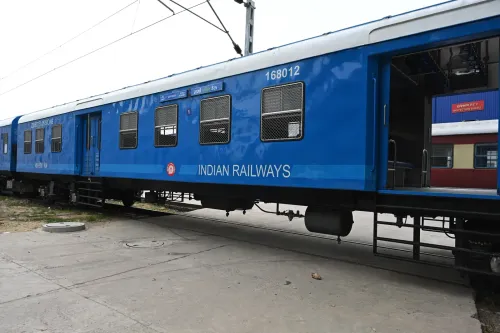
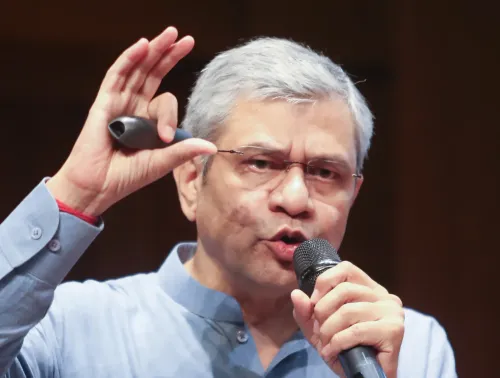
This enhanced Automatic Train Protection (ATP) system is now functioning on the Palwal–Mathura–Nagda segment (633 route km) along the Delhi–Mumbai corridor and the Howrah–Bardhaman section (105 route km) part of the Delhi–Howrah route, according to Railways Minister Ashwini Vaishnaw in a written response to the Rajya Sabha.
Additionally, trackside implementation has commenced on 15,512 route km, encompassing the entire Golden Quadrilateral, Golden Diagonal, the High Density Network, and other designated sections.
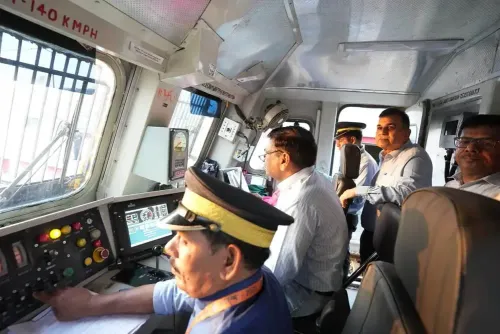
The ministry reports that Indian Railways has trained over 40,000 technicians, operators, and engineers, including 30,000 loco pilots and assistant loco pilots, through specialized training programs designed with IRISET.
The cost for trackside installation of the system is approximately Rs 50 lakh per kilometer and Rs 80 lakh per locomotive. Up until October this year, Rs 2,354.36 crore has been allocated for Kavach initiatives, with a future budget of Rs 1,673.19 crore for 2025–26.
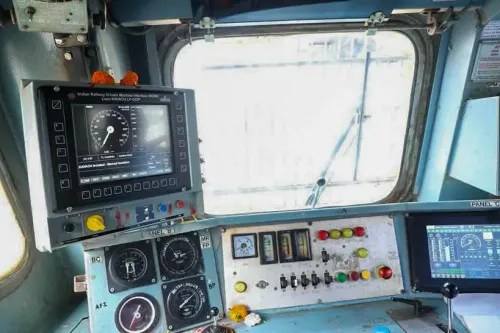
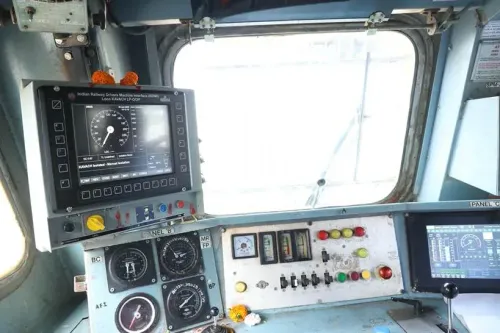
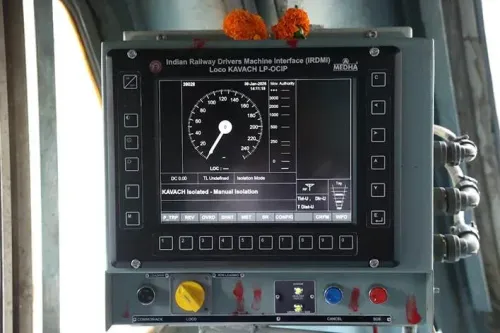
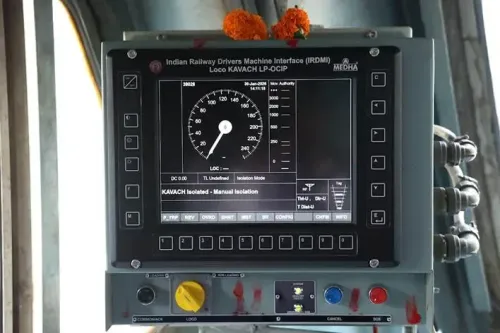
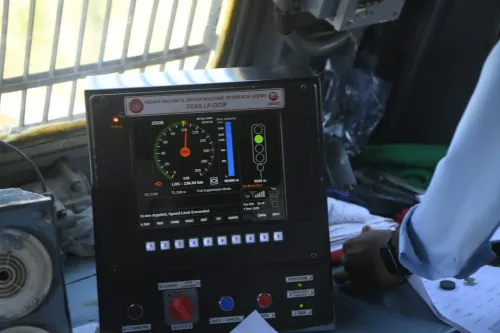
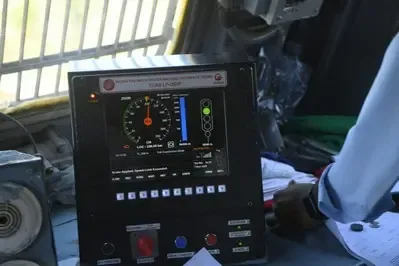
Kavach, India's homegrown SIL-4 certified ATP system, automatically activates brakes if a loco pilot does not respond, ensuring safer operations even in challenging weather conditions.
Field trials for this system began in 2016, and after numerous enhancements and safety evaluations, it was officially adopted as the national ATP in July 2020.
The latest version, 4.0, which received approval from the Research, Designs & Standards Organisation (RDSO) in July 2024, boasts improved location accuracy, enhanced yard signal information, an OFC-based station interface, and seamless integration with electronic interlocking systems, facilitating extensive deployment across the railway network.
Implementation includes the installation of station units, RFID tags, telecom towers, optical fiber cables, and outfitting locomotives with onboard Kavach systems.
As noted by Vaishnaw, after the success of Version 3.2 across 1,465 route km of the South Central Railway, further enhancements have led to Version 4.0, which is now being deployed across the remaining sections of the Delhi–Mumbai and Delhi–Howrah corridors.
Point of View
The rollout of Kavach 4.0 by Indian Railways is a crucial development in enhancing train safety and operational efficiency. This initiative not only demonstrates technological advancement but also highlights the commitment to ensuring passenger safety and improving the overall railway infrastructure across the nation.
NationPress
30 Sept 2026
Frequently Asked Questions
How many route kilometers are covered by Kavach 4.0?
Kavach 4.0 has been commissioned on 738 route kilometers across key high-density corridors.
What is the cost of implementing Kavach?
The implementation of Kavach costs approximately Rs 50 lakh per kilometer for trackside installation and Rs 80 lakh per locomotive.
How many personnel have been trained for Kavach?
Over 40,000 technicians, operators, and engineers have been trained to operate the Kavach system.
When was Kavach first adopted?
Kavach was officially adopted as the national Automatic Train Protection system in July 2020 after field trials began in 2016.