South Central Railway Achieves Milestone with Kavach Trials over 487 Route Kms
Synopsis
In a remarkable feat, the South Central Railway has completed Kavach field trials over 487 route kilometers, exceeding the Railway Board's expectations. This indigenous safety system aims to bolster train safety and operational efficiency.
Key Takeaways
Kavach is designed to enhance train safety.
Field trials covered 487 route kilometers , exceeding set targets.
Automatic Block Signalling has been implemented over 479 route kilometers .
SCR focuses on improving operational efficiency and safety.
Meticulous planning led to this significant achievement.
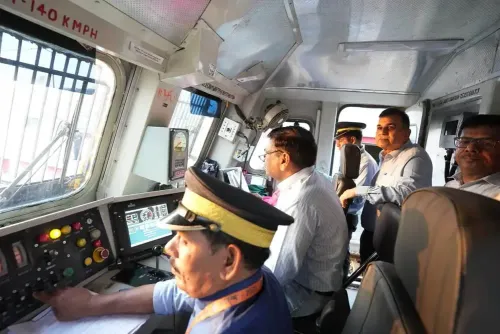
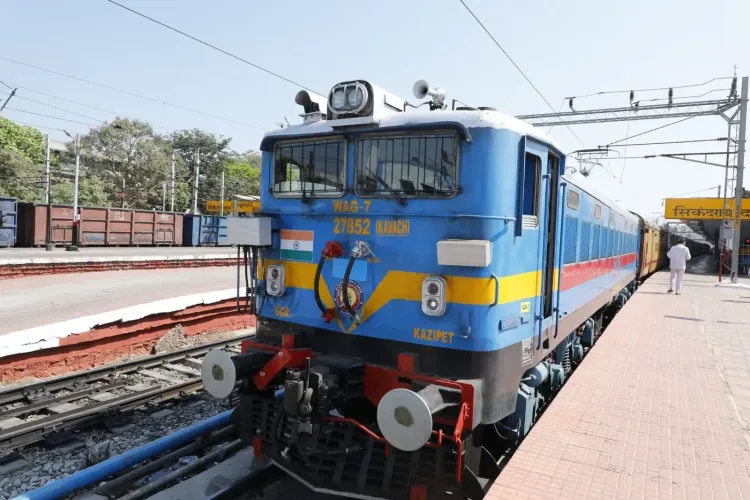
Hyderabad, April 5 (NationPress) The South Central Railway has triumphantly completed field trials for the Kavach safety system over a span of 487 route kilometers during the 2025-26 fiscal year, exceeding the Railway Board's target.
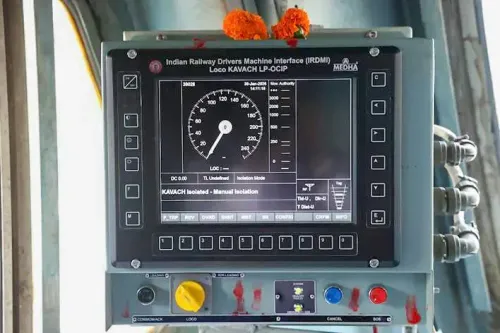
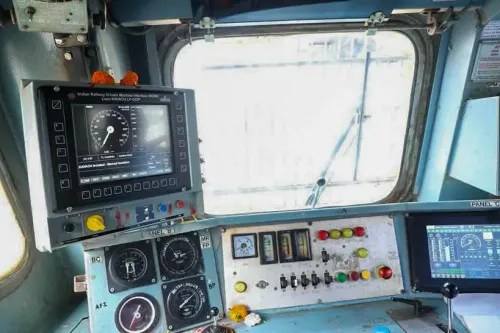
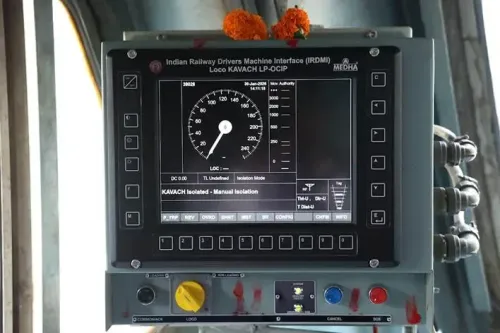
Kavach is a homegrown safety mechanism aimed at mitigating accidents stemming from human error.
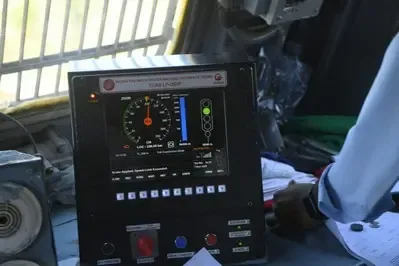
This system is capable of autonomously applying brakes when a train breaches a signal at danger, thereby ensuring secure train operations through constant speed and signal monitoring.
On Sunday, South Central Railway (SCR) announced its commitment to enhancing safety protocols, which included the ambitious rollout of Kavach 4.0 across its network in the preceding financial year.
As a result, the zone has successfully executed field trials covering 487 route kilometers, surpassing the Railway Board's initial target of 402 route kilometers.
According to a statement from SCR, the accomplishment is attributed to meticulous planning and effective execution.
Additionally, the zone has implemented Automatic Block Signalling (ABS) over 479 route kilometers, exceeding the planned target of 357 route kilometers during the last financial year.
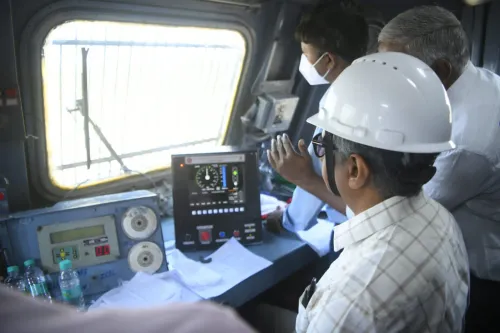
The Kavach 4.0 field trials were conducted across various sections including Kazipet - Peddampet (101 Rkm), Malkajgiri - Kamareddi (106 Rkm), Charlapalli - Raghunathpalli (79 Rkm), Guntakal - Raichur (120 Rkm), and Mudkhed - Parbhani (81 Rkm). Successful Loco Kavach trials were also conducted in these areas.
Throughout the 2025-26 fiscal year, SCR has implemented Automatic Block Signalling in different sections such as Kazipet - Balharshah, Vijayawada - Duvvada, and Wadi - Renigunta, covering a total of 479 route kilometers.
The ABS system regulates train movement through automatically operated stop signals triggered by the passage of trains.
This operational framework allows trains traveling in the same direction to follow one another safely, minimizing the risk of rear-end collisions. It also significantly reduces railway operational costs, enhances section capacity, and boosts average train speeds.
Initially, this system is being rolled out on high-density and key trunk routes within the SCR network.
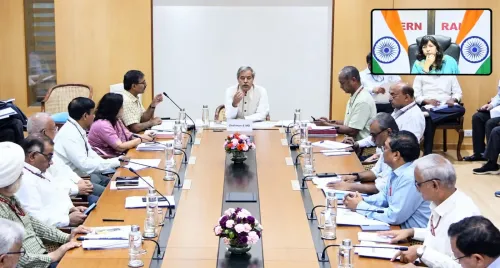
Sanjay Kumar Srivastava, General Manager of SCR, commended the Signal and Telecommunications teams at both the zonal and divisional levels for their remarkable contributions that facilitated this record achievement in Automatic Block Signalling and Kavach field trials.
The General Manager emphasized that both Kavach and ABS will be prioritized in the current financial year to further strengthen safety measures.
Point of View
The South Central Railway's accomplishment in completing Kavach field trials is a commendable step towards enhancing railway safety. The initiative reflects a strong commitment to reducing accidents and improving operational efficiency, which is crucial for passenger safety.
NationPress
7 Oct 2026
Frequently Asked Questions
How many route kilometers did SCR cover during the trials?
The South Central Railway successfully completed Kavach field trials covering 487 route kilometers.
What is Automatic Block Signalling?
Automatic Block Signalling is a system that controls train movement through automatic stop signals activated by the passage of trains.
Why is Kavach important?
Kavach is crucial for enhancing safety by automatically applying brakes when a train passes a signal at danger, thus preventing potential accidents.
What are the benefits of Automatic Block Signalling?
ABS reduces the risk of rear-end collisions, lowers operational costs, increases section capacity, and boosts average train speeds.