Kavach 4.0 safety system approved for 680 km on Northern Railway at ₹206 crore
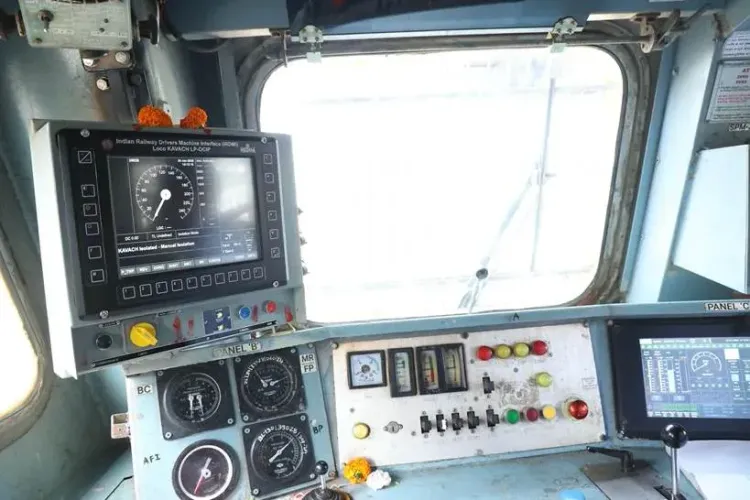
Synopsis
Indian Railways has cleared ₹206 crore to roll out Kavach Version 4.0 across 680 km of high-density Northern Railway corridors — a system designed to prevent collisions and fog-related accidents automatically. A separate ₹175 crore approval expands locomotive maintenance capacity at Raipur, signalling a twin-track push on both safety and infrastructure.
Key Takeaways
Indian Railways approved ₹206 crore for Kavach Version 4.0 deployment on 10 July 2025 .
The system will cover 680 route kilometres across the Rewari-Delhi and Shakurbasti-Bathinda sections under Northern Railway's Delhi Division .
Kavach prevents Signal Passed at Danger (SPAD) incidents and train collisions, and supports operations in dense fog .
A separate ₹175 crore project was approved for homing 250 three-phase electric locomotives at the HHP Diesel Shed, Raipur under SECR .
The two approvals together represent a combined outlay of ₹381 crore in safety and maintenance infrastructure.
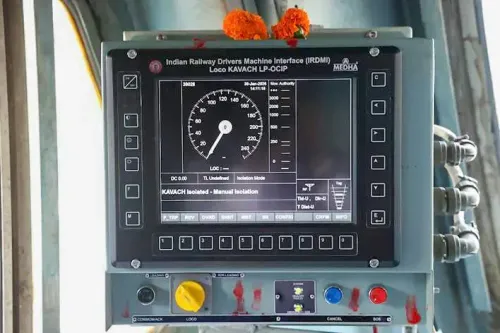
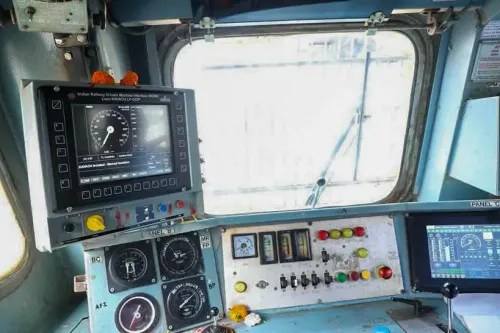
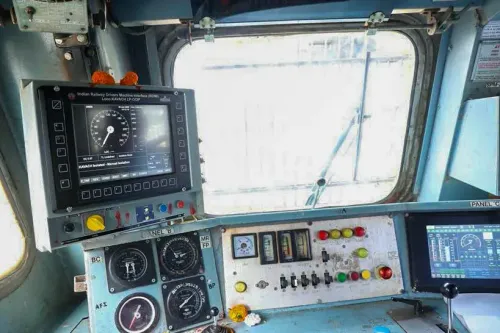
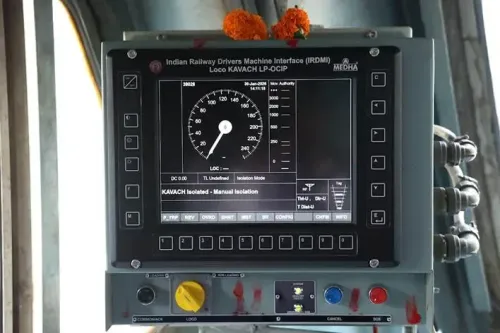
Indian Railways has sanctioned a ₹206 crore investment to deploy Kavach Version 4.0 — the country's indigenous Automatic Train Protection (ATP) system — across 680 route kilometres of the Rewari-Delhi and Shakurbasti-Bathinda sections, including feeder branch lines, under the Northern Railway's Delhi Division. The approval, confirmed through an official statement on Friday, 10 July, marks a significant expansion of the nationwide Kavach rollout on high-density corridors.
What Kavach Version 4.0 Does
Kavach is designed to prevent two of the most critical failure modes in rail operations: Signal Passed at Danger (SPAD) incidents and train collisions. The system continuously monitors train movements in real time, automatically applies brakes when a hazard is detected, and allows trains to operate safely at maximum permissible speeds. Notably, it also ensures reliable operations during dense fog — a persistent challenge on Northern Railway routes through the winter months.
Version 4.0 represents an enhanced iteration of the earlier system, with improvements in processing reliability and inter-system communication. Its deployment on the Rewari-Delhi and Shakurbasti-Bathinda corridors — both strategically important for passenger and freight movement — is expected to strengthen operational safety margins considerably.
Part of a Wider National Push
The sanctioned project is embedded within Indian Railways' broader, ongoing programme to extend Kavach coverage across high-density and strategically critical routes nationwide. The Delhi Division corridors selected for this phase carry significant mixed traffic loads, making the safety upgrade operationally consequential beyond just the immediate sections.
According to the official statement, the deployment will also improve operational efficiency and support faster, technology-driven movement of both passenger and freight services on these routes.
₹175 Crore for Locomotive Homing at Raipur
In a separate but related approval, Indian Railways has also cleared a ₹175 crore project to create additional homing facilities for 250 three-phase electric locomotives at the High Horse Power (HHP) Diesel Shed in Raipur, under the South East Central Railway (SECR).
Homing refers to the formal assignment of a locomotive to a designated maintenance shed — its primary base for scheduled upkeep, safety inspections, and repairs. The Raipur depot expansion has been sanctioned to keep pace with the rapid growth of the electric locomotive fleet and rising freight and passenger volumes across the network.
The additional capacity will allow Indian Railways to better utilise existing infrastructure while creating headroom for future technological expansion at the Raipur depot, according to the statement.
What This Means for Rail Safety
Together, the two approvals — totalling ₹381 crore — reflect a continued institutional push to modernise both safety systems and maintenance infrastructure simultaneously. The Kavach rollout, in particular, has gathered pace following high-profile train accidents in recent years that renewed public and parliamentary scrutiny of railway safety standards.
With the 680 km Northern Railway deployment now approved, the focus will shift to execution timelines and whether the on-ground rollout meets the pace that the scale of India's rail network demands.
Point of View
Making them precisely the kind of sections where an ATP gap is most consequential. Yet the larger question remains execution velocity: Indian Railways has repeatedly announced Kavach targets that outpaced actual deployment. The real measure of this approval will be whether commissioning timelines are published and held to. The simultaneous Raipur locomotive homing approval is the less visible but equally important half of the story — maintenance backlogs, not just signal failures, have featured in multiple accident inquiry reports.
NationPress
9 Oct 2026
Frequently Asked Questions
What is Kavach Version 4.0 and what does it do?
Kavach Version 4.0 is an enhanced iteration of India's indigenously developed Automatic Train Protection (ATP) system. It prevents Signal Passed at Danger (SPAD) incidents and train collisions by continuously monitoring train movements, automatically applying brakes when needed, and enabling safe operations even in dense fog.
Which railway sections will get Kavach Version 4.0 under this approval?
The approved deployment covers 680 route kilometres across the Rewari-Delhi and Shakurbasti-Bathinda sections, including feeder branch lines, under the Northern Railway's Delhi Division.
How much has Indian Railways invested in this Kavach deployment?
Indian Railways has sanctioned ₹206 crore specifically for the Kavach Version 4.0 rollout on these Northern Railway sections. A separate ₹175 crore has been approved for locomotive homing facilities at Raipur, bringing the combined outlay to ₹381 crore.
What is the Raipur locomotive homing project about?
The ₹175 crore project creates additional homing facilities for 250 three-phase electric locomotives at the High Horse Power (HHP) Diesel Shed in Raipur under the South East Central Railway (SECR). Homing facilities serve as the primary maintenance base for locomotives, handling scheduled upkeep, safety inspections, and repairs.
Why is the Kavach rollout significant for Indian Railways?
Kavach addresses two of the most critical causes of train accidents — signal violations and collision risks — and also supports operations during adverse weather like dense fog. Its expansion on high-density corridors is part of a nationwide push to modernise safety infrastructure following renewed scrutiny of railway accident prevention systems.