Kerala Assembly passes Finance Bill amid Opposition walkout over liquor tax row
Synopsis
The Kerala Assembly passed its Finance Bill by voice vote after the Opposition walked out — but the real story is a government defending a low-alcohol beverage tax revision by turning the tables on its critics, tabling files showing the previous Left administration had itself examined the same policy shift.
Key Takeaways
The Kerala Assembly passed the Finance Bill on 1 July by voice vote after the Opposition staged a walkout.
The flashpoint was a revised tax structure for beverages with 0.5–20% alcohol content , attracting 120–175% tax — among the highest in South India.
Satheesan tabled records showing the previous Left government had examined similar measures as early as November 2021 .
Udayabhanu Commission and the Justice Ramachandran Committee had recommended promoting lower-alcohol beverages.
Former Excise Minister and current CPI-M state secretary M.V.
Govindan had approved a related draft amendment, Satheesan said.
The Kerala State Beverages Corporation's wholesale monopoly gives the government full control over whether such beverages are sold.
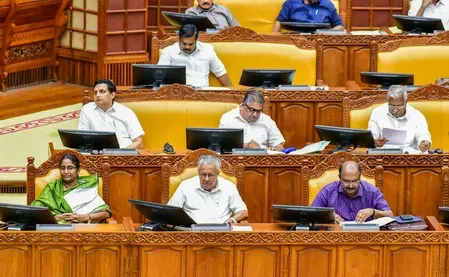
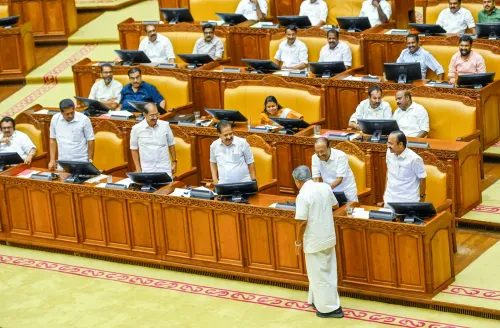
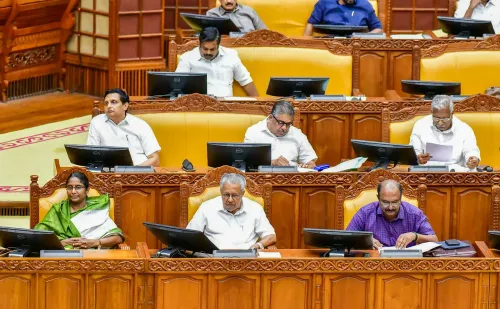
The Kerala Legislative Assembly on Wednesday, 1 July passed the Finance Bill, including a contentious revision to the tax structure for low-alcohol beverages, after one of the session's most acrimonious debates ended with the Opposition staging a walkout and boycotting the vote. The Bill was passed by voice vote in the absence of Opposition members.
What Sparked the Walkout
The revised tax structure for beverages containing between 0.5 and 20 per cent alcohol dominated proceedings. Leader of the Opposition Pinarayi Vijayan alleged that the tax reduction had been quietly inserted into the Finance Bill rather than being openly debated as a standalone Budget provision, calling it an attempt to push through a major policy change without adequate legislative scrutiny.
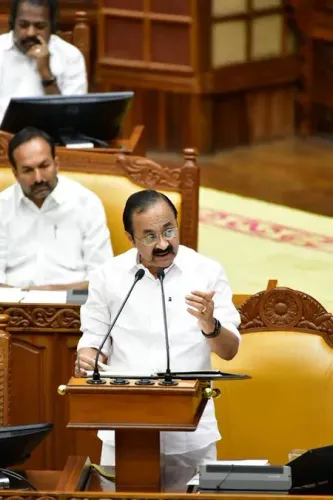
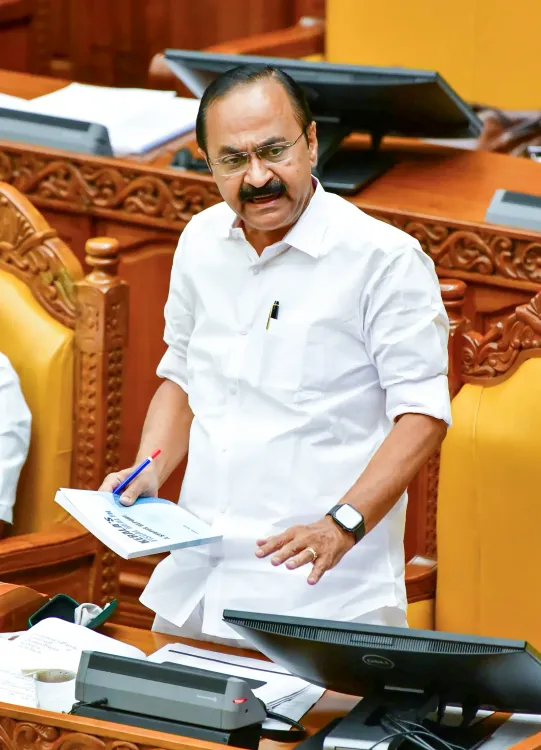
Chief Minister V.D. Satheesan rejected the charges outright, stating that the proposal had been explicitly announced in his Budget speech and that all taxation measures contained in the Budget are necessarily incorporated into the Finance Bill. He remarked that it was surprising for a former Chief Minister to suggest otherwise, and accused the Opposition of staging the walkout to avoid hearing his detailed rebuttal.
The Liquor Policy Debate
Satheesan pushed back on allegations that the revised policy favoured liquor companies, questioning why meetings had been held with multinational manufacturer Bacardi if the stated concern was genuinely about protecting farmers. He tabled official records from the previous Left Democratic Front government, citing files initiated in November 2021 that showed the then administration had itself examined measures to promote lower-alcohol beverages as part of a strategy to reduce dependence on hard liquor.
The Chief Minister also noted that both the A.P. Udayabhanu Commission and the Justice Ramachandran Committee had recommended encouraging beverages with lower alcohol content. He further pointed out that former Excise Minister M.V. Govindan — now CPI-M state secretary — had approved a draft amendment on the matter, which was subsequently referred to the Subject Committee.
Key Details of the Revised Tax Structure
Under the new framework, beverages with alcohol content between 0.5 and 20 per cent attract a tax ranging from 120 to 175 per cent — which Satheesan described as among the highest in South India and substantially above rates applicable to beer and wine. He cited Karnataka's tax restructuring as a comparable example, and argued the policy aligns with global recommendations encouraging a shift away from hard liquor.
Satheesan also stressed that permitting the sale of such beverages remained a government policy decision. 'If the government decides not to permit them, they will not be sold in Kerala,' he said, adding that the Kerala State Beverages Corporation's wholesale monopoly ensured complete control over procurement and distribution.
Government's Position Going Forward
The Chief Minister maintained that the controversy had been exaggerated to overshadow the Budget, and asserted that his government would not retreat from policy decisions under political pressure. He accused both the Opposition and 'certain others' of running a politically motivated campaign to undermine the Budget. With the Finance Bill now passed, the Assembly's most contentious session debate has formally concluded — though the political fallout over Kerala's liquor policy is unlikely to subside.
Point of View
Satheesan effectively argued that the CPI-M was opposing in 2025 what it had itself explored in 2021 — a contradiction that mainstream coverage has largely glossed over. The deeper question is whether Kerala's incremental approach to alcohol policy reform, dressed up in public health language, is a genuine harm-reduction strategy or a revenue optimisation exercise. The involvement of Bacardi in consultations, however early-stage, will keep that question alive regardless of how high the tax rate is set.
NationPress
30 Sept 2026
Frequently Asked Questions
Why did the Kerala Opposition walk out during the Finance Bill debate?
The Opposition walked out to protest what it described as the government's attempt to push through a major revision to the low-alcohol beverage tax structure without adequate legislative scrutiny. Members alleged the change had been inserted into the Finance Bill rather than debated transparently as a standalone Budget item.
What is the revised tax structure for low-alcohol beverages in Kerala?
The Finance Bill creates a separate tax category for beverages containing between 0.5 and 20 per cent alcohol, attracting a tax rate of 120 to 175 per cent. Chief Minister Satheesan described this as among the highest in South India and substantially above the rates applicable to beer and wine.
How did the Kerala government respond to allegations of favouring liquor companies?
Chief Minister V.D. Satheesan rejected the allegations and tabled official records showing the previous Left government had itself examined similar measures from November 2021. He also noted that the A.P. Udayabhanu Commission and the Justice Ramachandran Committee had recommended promoting lower-alcohol beverages.
Will low-alcohol beverages actually be sold in Kerala now?
Not automatically. Satheesan clarified that the sale of such beverages remains a government policy decision. 'If the government decides not to permit them, they will not be sold in Kerala,' he said, noting the Kerala State Beverages Corporation's wholesale monopoly ensures full control over procurement and distribution.
What role did CPI-M's M.V. Govindan play in the low-alcohol beverage policy?
According to Chief Minister Satheesan, former Excise Minister M.V. Govindan — now CPI-M state secretary — had approved a draft amendment related to lower-alcohol beverages during the previous Left government's tenure, which was subsequently referred to the Subject Committee.