Kerala White Paper: ₹5.07 lakh crore debt, 77% revenue locked in fixed costs
Synopsis
Kerala's books are sicker than the headline debt suggests. With 77% of revenue locked in committed spend, capex at just 1.3% of GSDP, and PSE losses more than doubling to ₹78,851 crore in three years, CM Satheesan's White Paper sets up a politically uncomfortable pivot — from welfare-first to fiscal correction — in a state where that trade-off has never been easy.
Key Takeaways
Kerala's outstanding liabilities stand at ₹5.07 lakh crore , per the White Paper tabled on 4 June .
Committed expenditure consumes 77% of revenue receipts; interest alone eats 21% .
Capital expenditure is just 1.3% of GSDP — among the lowest nationally.
State used Ways and Means Advances for 262 days in 2025 and was on overdraft 84 days .
PSE accumulated losses jumped from ₹31,571 crore (2021-22) to ₹78,851 crore (2024-25).
Inherited payment arrears total ₹48,733 crore , including DA dues of ₹21,670 crore .
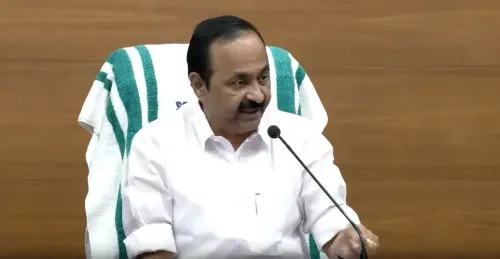
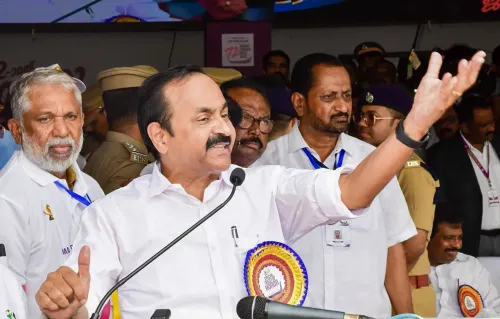
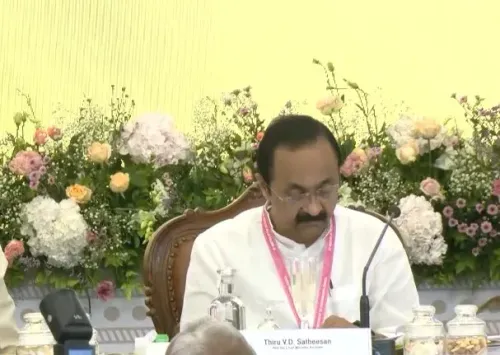
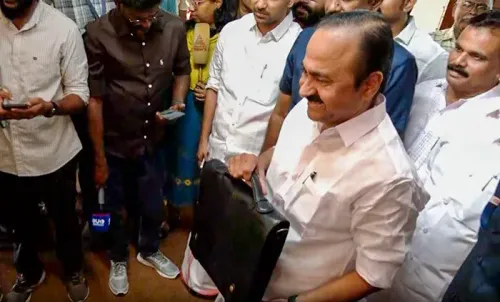
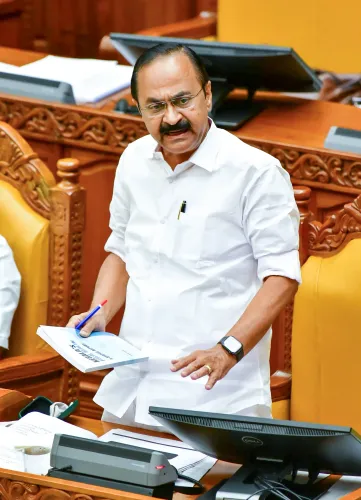
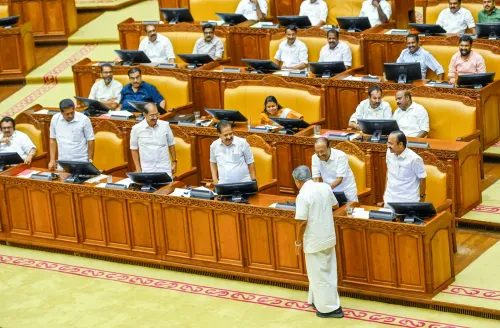
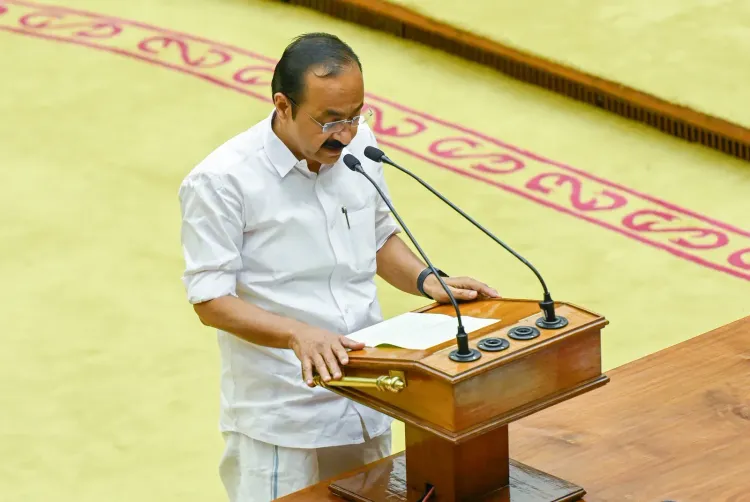
Kerala's new government has inherited outstanding liabilities of ₹5.07 lakh crore, with committed expenditure consuming 77% of total revenue receipts and interest payments alone eating up nearly 21% of revenue, according to the White Paper on state finances tabled in the Assembly on Thursday, 4 June. The Status Report, presented by Chief Minister V.D. Satheesan in Thiruvananthapuram, framed itself as an evidence-based assessment rather than a political critique of the previous regime.
Key fiscal stress points
The report attributed Kerala's deepening fiscal strain to declining central transfers, the end of GST compensation and revenue deficit grants, weak private investment growth, and rising expenditure commitments. It warned that the state has drifted from the foundational principle of borrowing to invest in growth that repays itself.
Capital expenditure has remained among the lowest in the country at just 1.3% of Gross State Domestic Product (GSDP), even as Kerala records one of the highest fiscal deficits — a structural mismatch the White Paper flagged as unsustainable.
Treasury under chronic strain
Kerala has leaned heavily on Reserve Bank of India borrowing mechanisms to bridge revenue shortfalls. The report noted that the state has tapped Ways and Means Advances almost every year since 2015.
The strain intensified recently: Kerala availed Ways and Means Advances for 262 days in 2025 and remained on overdraft for 84 days. By comparison, even during the Covid-disrupted years, the state depended on such temporary borrowings for 234 days in 2020 and 195 days in 2021.
Payment arrears and PSE losses
The government has inherited accumulated payment arrears of ₹48,733 crore, including ₹21,670 crore in pending Dearness Allowance arrears, ₹14,387 crore in Dearness Relief arrears, and ₹3,431 crore owed to banks and contractors through bill discounting. 'This is almost equal to Kerala's net annual borrowing,' the report observed.
The burden from Public Sector Enterprises (PSEs) is equally stark. Accumulated losses ballooned from ₹31,571 crore in 2021-22 to ₹78,851 crore in 2024-25. KSRTC, KSSPL and the Kerala Water Authority together accounted for 72% of net PSE losses in 2024-25. The report also flagged KIIFB, noting that while it has helped create infrastructure assets, it has simultaneously added to liabilities and future revenue pressure.
Reforms recommended
The White Paper called for stronger revenue mobilisation, reduced operational inefficiencies in state-run enterprises, and a shift from production-based subsidies to consumption-based support to better target welfare. Poor GST revenue performance — still trailing the national average — and a sharp fall in central support over the past two years were cited as additional pressure points.
The government now faces the delicate task of balancing welfare commitments with fiscal correction, while addressing voter expectations for growth and development in the coming financial cycles.
Point of View
It is a structural cash-flow crisis. The deeper worry is the PSE black hole — accumulated losses up 2.5x in three years, with KSRTC and the Water Authority as serial bleeders that no government has dared restructure. Kerala's welfare-state model has long depended on borrowed time and central transfers; with both shrinking, the choice between subsidies and solvency can no longer be deferred.
NationPress
25 Sept 2026
Frequently Asked Questions
What is the total debt highlighted in Kerala's White Paper on finances?
The White Paper, tabled in the Kerala Assembly on 4 June, places the state's outstanding liabilities at ₹5.07 lakh crore. Committed expenditure consumes 77% of total revenue receipts, while interest payments alone account for nearly 21%.
Why is Kerala's treasury under stress according to the report?
Kerala has been relying on Reserve Bank of India borrowing mechanisms, particularly Ways and Means Advances, almost every year since 2015. In 2025 alone, the state used these advances for 262 days and remained on overdraft for 84 days, indicating chronic shortfalls between revenue inflows and expenditure.
How bad are the losses of Kerala's Public Sector Enterprises?
Accumulated losses of Kerala's PSEs rose from ₹31,571 crore in 2021-22 to ₹78,851 crore in 2024-25. KSRTC, KSSPL and the Kerala Water Authority together accounted for 72% of net PSE losses in 2024-25.
What reforms has the White Paper recommended?
The report suggests strengthening revenue mobilisation, cutting operational inefficiencies in state-run enterprises, and shifting from production-based subsidies to consumption-based welfare support. It also flags the need to address poor GST performance and falling central transfers.
What are the inherited payment arrears mentioned in the report?
The government has inherited accumulated payment arrears of ₹48,733 crore. This includes ₹21,670 crore in Dearness Allowance arrears, ₹14,387 crore in Dearness Relief arrears, and ₹3,431 crore owed to banks and contractors through bill discounting.