Kerala mangrove cover rises; Bay of Bengal logs 100+ heat events since 1982
Synopsis
Kerala's coastline is quietly recovering its mangroves — but the sea around it is heating up fast. A CMFRI satellite study shows mangrove gains between 2017 and 2026, even as Bangladesh researchers count more than 100 marine heatwave events in the Bay of Bengal since 1982, with intensity and frequency both rising sharply after 2000.
Key Takeaways
CMFRI, Kochi documented an overall rise in Kerala's mangrove cover between 2017 and 2026 using satellite imagery.
Kerala has lost nearly 90 per cent of its mangroves over the past five decades , making the recent gains significant but partial.
The Bay of Bengal recorded more than 100 marine heatwave events between 1982 and 2023 , per researchers at Shahjalal University of Science and Technology, Bangladesh .
Both frequency and intensity of marine heatwaves have risen, with a sharp acceleration after 2000 ; 2016 was the most severe year on record.
Researchers warn that intensifying marine heatwaves could amplify tropical cyclone strength, posing heightened risk to India's eastern coastline.
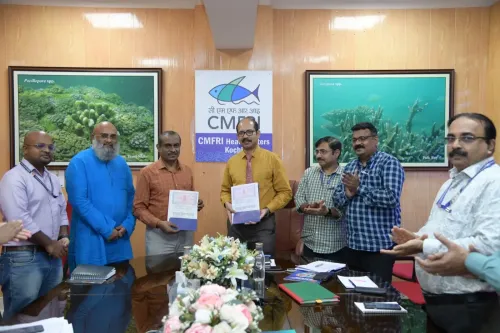
Both studies were presented at a three-day symposium co-organised by CMFRI , CUSAT , the Trevor Platt Science Foundation , and the Marine Biological Association of India .
Kerala's mangrove cover has recorded a measurable increase over the past decade, according to a new study by the ICAR-Central Marine Fisheries Research Institute (CMFRI) — a cautiously optimistic signal for a coastline that has lost nearly 90 per cent of its mangroves over the past five decades. The findings were presented on 6 November 2026 at an international symposium on fisheries and remote sensing hosted at CMFRI, Kochi.
Mangrove Recovery: What the Data Shows
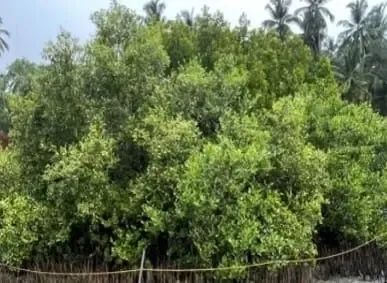
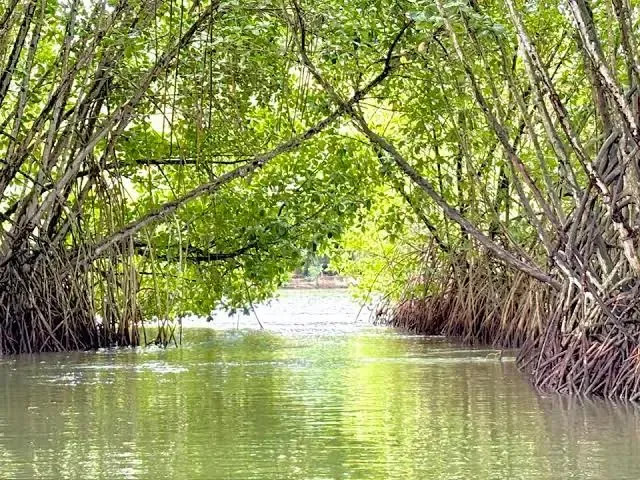
The CMFRI study tracked changes in mangrove growth across Kerala's coastal districts using satellite imagery, documenting an overall rise in cover between 2017 and 2026. Researchers say the satellite-based method offers a scalable, cost-effective way to monitor ecosystem recovery and guide conservation policy.
Mangroves are considered a cornerstone of coastal resilience — they serve as breeding and nursery grounds for fish, buffer shorelines against cyclones and storm surges, and sequester carbon from the atmosphere. Their recovery, even partial, carries significance for both biodiversity and climate adaptation in a state highly exposed to Arabian Sea weather systems.
Notably, the documented gains come against a backdrop of decades of degradation driven by coastal development, aquaculture expansion, and urban encroachment. Scientists caution that the net recovery, while encouraging, still leaves Kerala's mangrove ecosystem far below its historical extent.
Bay of Bengal Marine Heatwaves: A Sharper Threat
A second study presented at the same symposium painted a more alarming picture for the broader region. Researchers from Shahjalal University of Science and Technology, Bangladesh, found that the Bay of Bengal experienced more than 100 marine heatwave events between 1982 and 2023 — and that both the frequency and intensity of these episodes have increased markedly, with the trend sharpening particularly after 2000.
The year 2016 was identified as especially severe, recording unusually intense heatwaves of prolonged duration. Seasonally, such events occurred most often in August and November, while the most intense episodes were concentrated in the pre-monsoon months.
Marine heatwaves occur when sea surface temperatures remain anomalously high for several days or longer. Such conditions can bleach coral, disrupt fish migration, reduce marine productivity, and destabilise ocean food webs. Researchers warned that the growing frequency and duration of these events could also amplify extreme weather, including the intensity of tropical cyclones that originate in the Bay of Bengal — a development with direct implications for India's eastern and northeastern coastlines.
Symposium and Research Context
Both studies were presented at a three-day international symposium jointly organised by the Trevor Platt Science Foundation, the Department of Chemical Oceanography at Cochin University of Science and Technology (CUSAT), CMFRI, and the Marine Biological Association of India. The symposium brought together researchers working at the intersection of fisheries science, oceanography, and remote sensing.
The dual findings — one offering cautious hope for mangrove revival, the other documenting an escalating marine heat crisis — underscore the competing pressures shaping India's coastal and oceanic environments. As climate signals intensify, researchers say sustained monitoring and policy intervention will be critical to preventing further ecological loss.
Point of View
And Kerala's coastline remains structurally vulnerable. The Bay of Bengal data is the more urgent signal: over 100 heatwave events in four decades, accelerating sharply after 2000, points to a system already in distress. What is missing from both studies is a policy response with teeth — India's coastal zone management rules have been diluted repeatedly, and no national framework yet links marine heatwave forecasting to cyclone preparedness or fisheries protection at the community level.
NationPress
6 Nov 2026
Frequently Asked Questions
What did the CMFRI study find about Kerala's mangroves?
The CMFRI study found an overall increase in mangrove cover across Kerala's coastal districts between 2017 and 2026, tracked using satellite imagery. This is a positive development for a coastline that has lost nearly 90 per cent of its mangroves over the past five decades.
Why are mangroves important for Kerala's coast?
Mangroves serve as breeding and nursery grounds for fish, protect shorelines from cyclones and storm surges, and absorb carbon from the atmosphere. Their recovery supports both biodiversity and climate resilience along Kerala's Arabian Sea coastline.
How many marine heatwave events has the Bay of Bengal experienced?
According to researchers from Shahjalal University of Science and Technology, Bangladesh, the Bay of Bengal experienced more than 100 marine heatwave events between 1982 and 2023. Both the frequency and intensity of these events have increased, with the sharpest acceleration occurring after 2000.
What are the risks of rising marine heatwaves in the Bay of Bengal?
Marine heatwaves can damage coral, disrupt fish migration, reduce marine productivity, and destabilise ocean ecosystems. Researchers also warn that more frequent and intense events could amplify tropical cyclones originating in the Bay of Bengal, increasing storm risk for India's eastern and northeastern coastlines.
Where were these studies presented?
Both studies were presented at a three-day international symposium on fisheries and remote sensing held at CMFRI, Kochi, on 6 November 2026. The event was jointly organised by the Trevor Platt Science Foundation, CUSAT's Department of Chemical Oceanography, CMFRI, and the Marine Biological Association of India.