CM Fadnavis: Mangroves Expanding in Mumbai Metro Region
Synopsis
Chief Minister Devendra Fadnavis announced on June 14, 2026, that mangroves in the Mumbai Metropolitan Region have expanded, crediting Maharashtra government's ongoing conservation and protection efforts along the state's coastline.
Key Takeaways
CM Devendra Fadnavis stated on June 14, 2026 , that mangrove cover in the Mumbai Metropolitan Region has increased.
The Maharashtra government is described as actively engaged in mangrove conservation and promotion.
The Maharashtra Forest Department is the primary state agency overseeing mangrove protection and afforestation.
Coastal Regulation Zone (CRZ) notifications have been a key regulatory tool used to curb encroachment in mangrove areas.
The India State of Forest Report series previously documented incremental mangrove gains in Maharashtra between 2017 and 2021 .
Coastal communities, urban local bodies, and environmental groups are key stakeholders watching the state's mangrove data and policy commitments.
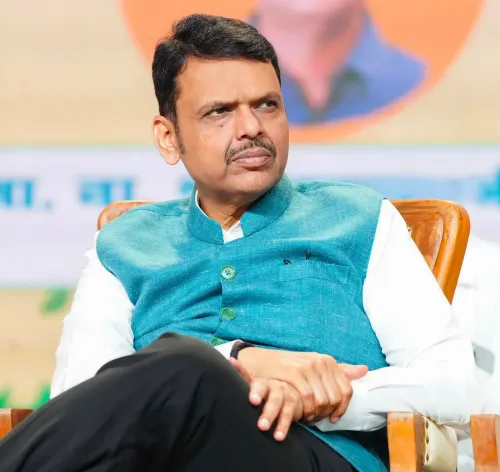
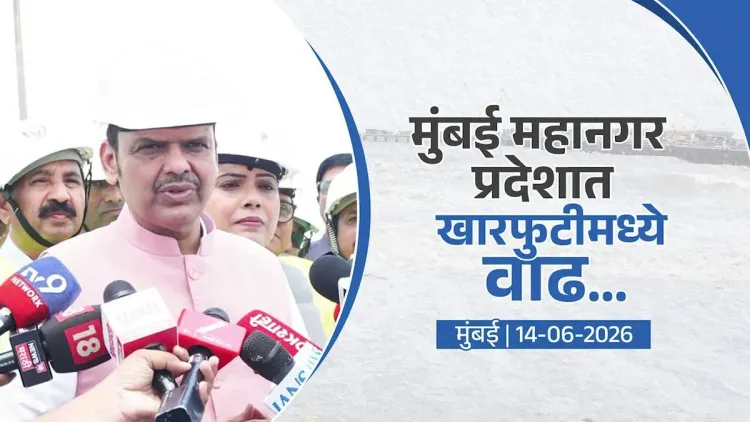
Maharashtra Chief Minister Devendra Fadnavis on Sunday, June 14, 2026, stated that mangrove cover in the Mumbai Metropolitan Region (MMR) has increased, and that the state government is actively working to protect and conserve these coastal ecosystems.
Posting in both Marathi and Hindi, Fadnavis said — 'मुंबई महानगर प्रदेशात खारफुटीमध्ये वाढ झाली असून, महाराष्ट्र सरकारमार्फत खारफुटीच्या जतन आणि संवर्धनासाठी प्रभावीपणे काम सुरू आहे' — ('Mangroves in the Mumbai Metropolitan Region have expanded, and the Maharashtra government is effectively working for their conservation and promotion.') The post was tagged #Maharashtra, #Mumbai, and #Mangroves.
Context
The Mumbai Metropolitan Region is one of India's most densely urbanised coastal zones, where mangrove forests line creek systems, tidal flats, and estuaries across Mumbai, Thane, Raigad, and Palghar districts. These ecosystems serve as natural buffers against storm surges and flooding, while also supporting biodiversity and the livelihoods of coastal fishing communities. Rapid urbanisation has historically placed intense pressure on these habitats through encroachment and land reclamation.
Fadnavis's statement comes as environmental advocates and urban planners have increasingly spotlighted the MMR's mangrove patches as critical green infrastructure in an era of climate-driven coastal risk.
Policy Backdrop
Maharashtra has maintained a dedicated institutional framework for mangrove protection. The Maharashtra Forest Department has been the primary agency responsible for afforestation drives, anti-encroachment enforcement, and regulatory oversight along the state's coastline. Successive state governments have leaned on Coastal Regulation Zone (CRZ) notifications issued under central environmental law to restrict construction activity in and around mangrove belts.
At the national level, the India State of Forest Report series — published by the Forest Survey of India — has documented incremental gains in Maharashtra's mangrove cover across assessment cycles between 2017 and 2021. Maharashtra's state-level interventions have broadly aligned with national priorities around coastal resilience and biodiversity conservation.
Stakeholders and Impact
Coastal communities in the MMR — including fishing villages known as koliwadas — depend on healthy mangrove ecosystems for fish nurseries and protection from tidal flooding. Urban local bodies across the region, including the Brihanmumbai Municipal Corporation (BMC), are stakeholders in mangrove management given their jurisdiction over adjacent land parcels and drainage infrastructure.
Environmental groups have long demanded stricter penalties for illegal mangrove felling and greater transparency in afforestation data. The Chief Minister's public assertion of expanding cover is likely to invite scrutiny from civil society organisations that independently monitor MMR mangrove patches via satellite imagery.
What's Next
The next edition of the India State of Forest Report will be a key data point to verify the trend Fadnavis has cited. Observers will also watch for supplementary state budget allocations or new project tenders directed at mangrove restoration sites across the MMR. Any formal policy announcement — such as expanded mangrove sanctuary boundaries or enhanced penalties for encroachment — would signal the government's intent to back the Chief Minister's statement with concrete administrative action.
Point of View
Framing environmental stewardship as a visible governance deliverable ahead of potential scrutiny over urban development pressures in the MMR. By asserting expansion rather than merely pledging protection, the Chief Minister is staking a verifiable claim — one that independent satellite-based monitoring by civil society groups will test. The statement fits a broader BJP pattern of anchoring ecological credentials to measurable outcomes, even as critics argue that infrastructure projects in coastal Maharashtra continue to threaten mangrove patches. The real test will be whether the next official forest survey corroborates the trend Fadnavis has publicly endorsed.
NationPress
14 Sept 2026
Frequently Asked Questions
Have mangroves in Mumbai increased?
Chief Minister Devendra Fadnavis stated on June 14, 2026, that mangrove cover in the Mumbai Metropolitan Region has expanded, though independent verification through the next India State of Forest Report is awaited.
What is the Maharashtra government doing to protect mangroves?
The Maharashtra Forest Department leads mangrove conservation through afforestation drives, anti-encroachment enforcement, and regulatory action under Coastal Regulation Zone notifications.
Why are mangroves important for Mumbai?
Mangroves in the Mumbai Metropolitan Region act as natural barriers against storm surges and flooding, support marine biodiversity, and sustain the livelihoods of coastal fishing communities.
What is the Coastal Regulation Zone and how does it protect mangroves?
The Coastal Regulation Zone (CRZ) is a regulatory framework under central environmental law that restricts construction and development activity in and around mangrove belts, helping prevent encroachment.
When is the next India State of Forest Report expected?
The India State of Forest Report is published periodically by the Forest Survey of India; the next edition will be a key source for independently verifying trends in Maharashtra's mangrove cover.