CoHNA Condemns Khalistani Extremists' Targeted Harassment at Hindu Temples in Canada
Synopsis
In a troubling display of aggression, the Coalition of Hindus of North America (CoHNA) has condemned the recent protests by Khalistani extremists outside Hindu temples in Canada. This troubling situation raises concerns about public safety and religious freedoms.
Key Takeaways
CoHNA strongly condemns targeted protests against Hindu temples in Canada.
Protests occurred during significant religious celebrations.
The events have raised serious concerns about public safety.
CoHNA emphasizes the autonomy of Hindu temples.
The situation highlights broader issues of religious freedoms in Canada.
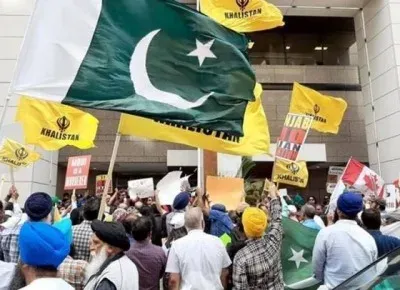
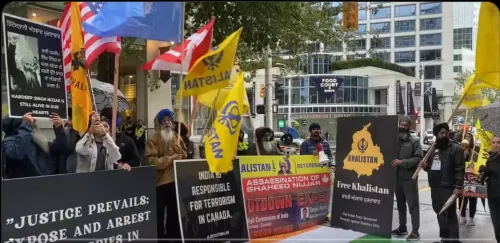
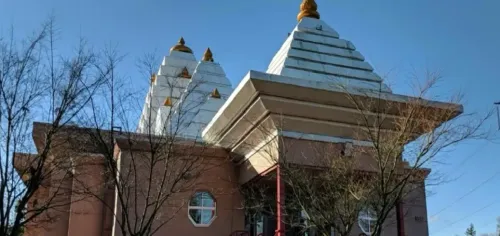
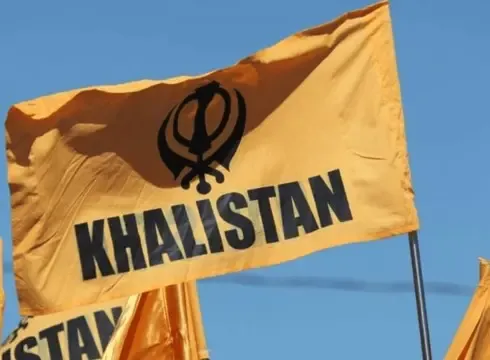
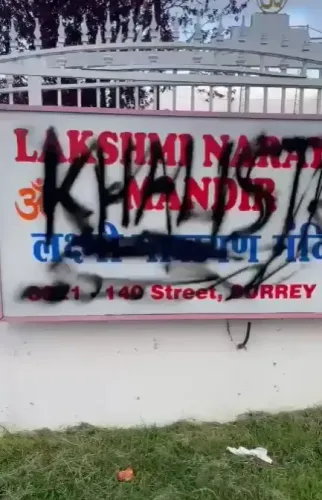
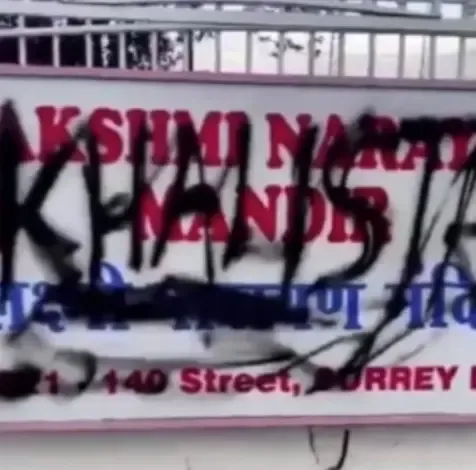
Ottawa, April 8 (NationPress) The Coalition of Hindus of North America (CoHNA), a prominent global advocacy group, has vocally criticized the targeted demonstrations by Khalistani Extremists based in Canada (CBKE) outside Hindu temples situated in the Canadian cities of Brampton and Surrey, highlighting incidents of significant harassment.
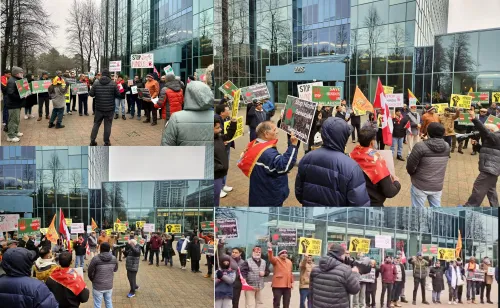
CoHNA reported that these protests occurred on April 5 during the celebrations of Hanuman Jayanti, drawing large crowds of Hindu believers at temples throughout Canada.
Notably, the protests coincided with Easter weekend and the Jewish observance of Passover, causing disruptions that affected neighborhoods with families of various faiths who were also celebrating their religious events.
Despite the police-enforced buffer zones set by Canadian authorities, CoHNA stated that temple visitors faced harassment, including past graphic imagery related to violence against women, while children were exposed to “loud, abusive slogans”.
Although local authorities deemed Sunday’s occurrences as “orderly” due to police oversight, CoHNA cautioned against associating crowd control with actual public safety.
“While Khalistani provocateurs engage in extreme sloganeering, the responsibility falls on worshippers to maintain peace — they are encouraged to avoid confrontation, adjust their movements, and navigate a situation they did not instigate,” remarked Rishabh Sarswat, CoHNA Canada President.
He continued, “Public safety should not be simplified to crowd management. CoHNA is not advocating for prohibitions on symbols or speech but urges authorities to consider context and intention while ensuring the right to access places of worship without intimidation.”
While CBKE asserts that the protests target India's activities at temples rather than Hindus themselves, CoHNA entirely disputes this narrative.
“Hindu temples operate as independent institutions with the same rights as any other Canadian religious organization to invite guests and host activities of their choosing — including consular services for elderly Canadians of Indian descent seeking pensions and life certificates. Decisions regarding who a temple chooses to host do not belong to the CBKE,” it emphasized.
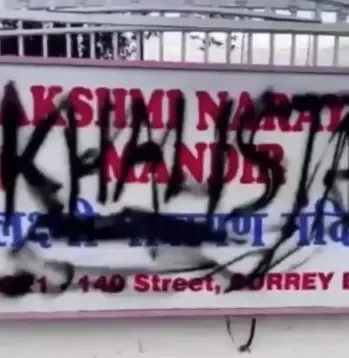
Addressing the CBKE’s “ongoing pattern of provocation and intimidation” at Hindu temples, CoHNA pointed out that the targeting of the Triveni Mandir in Brampton exemplifies how Khalistani extremists view any demonstration of Hindu identity as a “valid site for political confrontation.”
“This temple, like many others in the Greater Toronto Area, was established and is still managed by the Caribbean Hindu community — a fact that highlights the emptiness of the CBKE’s attempt to portray such institutions as extensions of the Indian state,” CoHNA concluded.
Point of View
It is essential to recognize the complexity of the situation regarding religious freedoms and the safety of communities in Canada. The actions of the Khalistani extremists raise significant concerns that require careful consideration and dialogue among all parties involved.
NationPress
12 Oct 2026
Frequently Asked Questions
What organizations are involved in the protests?
The Coalition of Hindus of North America (CoHNA) and the Khalistani Extremists based in Canada (CBKE) are the primary organizations involved.
What events coincided with the protests?
The protests occurred during the celebrations of Hanuman Jayanti, coinciding with Easter weekend and the Jewish festival Passover.
What has CoHNA requested from authorities?
CoHNA has requested that authorities recognize the context and intent behind the protests while ensuring the right to access places of worship without intimidation.
How does CoHNA view the narrative presented by CBKE?
CoHNA entirely rejects the narrative that the protests are aimed solely at India's activities and emphasizes the autonomy of Hindu temples.
What impact do these protests have on local communities?
The protests have caused disruptions not only within the Hindu community but also in neighborhoods with families of diverse faiths celebrating their religious observances.