KSRTC bus refurbishment project: Kerala saves crores, 100 buses back in service
Synopsis
Kerala is betting that refurbishment — not replacement — can rescue KSRTC's ageing fleet. With one new-bus budget restoring up to 10 vehicles, and pollution levels dropping 80–85% post-overhaul, the 100-day programme is as much a financial lifeline as a green transport move.
Key Takeaways
Transport Minister C.P.
John flagged off 14 refurbished buses from Thiruvananthapuram City Depot on 13 August .
Refurbishing one bus costs ₹1.5–2.5 lakh ; the same budget can restore approximately 10 buses instead of buying one new vehicle.
The programme covers 26 Super Class , 52 Fast Passenger and Super Fast , and 22 Ordinary buses across five KSRTC workshops .
Refurbished buses have recorded an 80–85% reduction in pollution levels, according to test results.
BS-III and BS-IV buses that have completed their service life but remain technically fit are being targeted for overhaul.
Minister John also announced Project Surya and distributed certificates to mechanical department employees at the event.
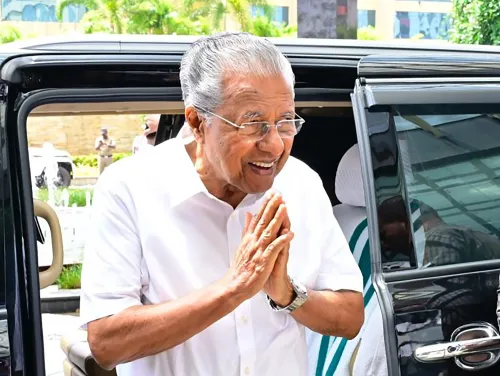
Kerala State Road Transport Corporation (KSRTC) is set to gain significant financial benefits from a large-scale bus refurbishment initiative being executed under the state government's 100-day programme, Transport Minister C.P. John said on Thursday, 13 August. The minister flagged off 14 refurbished buses from the Thiruvananthapuram City Depot in the first phase of the project.
Cost Savings at the Core
Minister John highlighted the financial logic underpinning the programme: the cost of purchasing a single new bus can instead fund the repair and return of approximately 10 buses to active service. Refurbishing a Deluxe-category bus costs an average of ₹2.5 lakh, while buses in FP, SFP and similar categories can be overhauled for around ₹1.5 lakh each. For a corporation that has long struggled with fleet shortages and financial strain, the arithmetic is compelling.
What the Refurbishment Covers
The overhaul is not cosmetic. Each bus undergoes inspection and repair of its mechanical and electrical systems, along with upgrades to seats, lighting, flooring and windows. Interior and exterior appearance is also improved. Work is currently under way at five KSRTC workshops across the state.
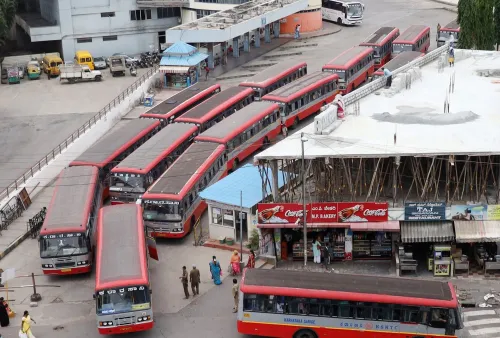
The programme targets 26 Super Class buses, 52 Fast Passenger and Super Fast buses, and 22 Ordinary buses. Buses being refurbished are BS-III and BS-IV vehicles that have completed their stipulated service life but remain technically fit for reuse. Engines are individually assessed, and only those requiring reconditioning are put through the process.
Pollution Reduction and Fleet Efficiency
According to test results cited by the minister, refurbished buses have recorded a reduction of 80 to 85 per cent in pollution levels — a notable environmental dividend alongside the financial gains. Periodic refurbishment, Minister John said, could considerably extend the operational life of buses, allowing KSRTC to retain technically sound older vehicles in service for longer while also purchasing new ones.
Recognition and Next Steps
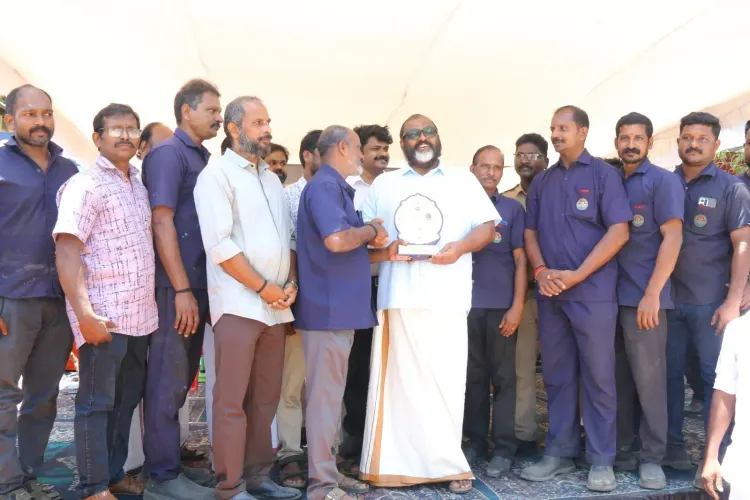
Minister John praised the skilled mechanical staff, workers, and unions whose efforts helped complete the first phase swiftly. He also announced Project Surya at the event and distributed certificates to mechanical department employees involved in the refurbishment work. KSRTC's stated objective, the minister said, is to deliver a safer and more comfortable travel experience for passengers by raising the overall quality of its fleet.
This comes amid sustained pressure on state-run transport corporations across India to modernise ageing fleets without ballooning capital expenditure. Kerala's refurbishment-first approach could offer a replicable model for other cash-strapped STCs. How quickly KSRTC scales the programme beyond the first phase will determine whether it translates into a measurable improvement in service reliability for daily commuters.
Point of View
But it is also a symptom of a deeper structural problem: the corporation cannot afford to replace its fleet at scale. The 80–85% pollution reduction figure is striking and, if independently verified, makes a strong case for other state transport undertakings to follow suit. Yet the real test is longevity — refurbished BS-III and BS-IV engines have a ceiling, and deferring replacement only delays the capital crunch. Kerala should pair this programme with a transparent fleet-renewal roadmap so that smart short-term savings do not become long-term liability.
NationPress
28 Sept 2026
Frequently Asked Questions
What is the KSRTC bus refurbishment project in Kerala?
It is a fleet overhaul initiative under Kerala's 100-day state government programme, aimed at restoring technically fit but service-life-completed buses to active duty at a fraction of the cost of new vehicles. The first phase was flagged off on 13 August from the Thiruvananthapuram City Depot.
How much does it cost to refurbish a KSRTC bus?
Refurbishing a Deluxe-category KSRTC bus costs an average of ₹2.5 lakh, while FP, SFP, and similar category buses can be overhauled for around ₹1.5 lakh. By comparison, the budget for one new bus can fund the refurbishment of approximately 10 existing vehicles.
Which buses are being refurbished under the programme?
The programme covers 26 Super Class buses, 52 Fast Passenger and Super Fast buses, and 22 Ordinary buses. BS-III and BS-IV vehicles that have completed their stipulated service life but remain mechanically sound are being prioritised.
What environmental benefit does bus refurbishment offer?
According to test results cited by Transport Minister C.P. John, refurbished KSRTC buses have recorded a reduction of 80 to 85 per cent in pollution levels compared to their pre-refurbishment state.
Where is the refurbishment work being carried out?
Refurbishment work is currently being carried out at five KSRTC workshops across Kerala. The overhaul covers mechanical and electrical systems, seats, lighting, flooring, windows, and both interior and exterior appearance.