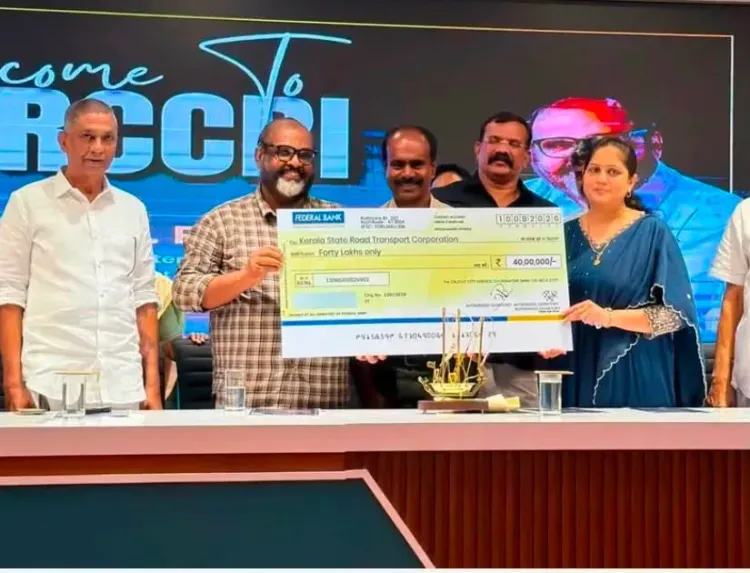
Kerala cooperative buys ₹40 lakh KSRTC bus for Kozhikode-Parambikulam route
Synopsis
In what is believed to be a first for Kerala, a cooperative society has spent ₹40 lakh of its public welfare fund to buy a KSRTC bus — a model the state government is now considering formalising. If it scales, it could reshape how India's cash-strapped state transport utilities get funded: not just by governments, but by communities.
Key Takeaways
The Calicut City Service Cooperative Society spent ₹40 lakh from its public welfare fund to purchase a new KSRTC bus.
The bus will operate on the Kozhikode-Palakkad-Muthalamada-Parambikulam route.
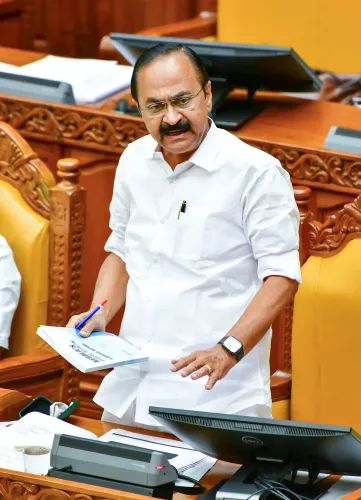
Transport Minister C.P.
John welcomed the move and said the government is considering allowing cooperative societies to formally fund KSRTC.
The initiative was championed by C.N.
Vijayakrishnan , Chairman of a local cancer institute, after witnessing commuting hardships in the Muthalamada area.
KSRTC is targeting 2,000 new buses to modernise its ageing fleet.
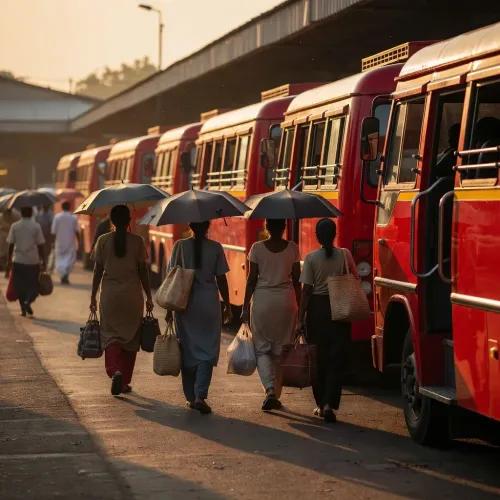
A cooperative society in Kerala has taken an unprecedented step to support the financially strained Kerala State Road Transport Corporation (KSRTC), purchasing a new bus worth ₹40 lakh from its public welfare fund and handing it over to the state-run transport utility. The Calicut City Service Cooperative Society funded the vehicle, which is set to operate on the Kozhikode-Palakkad-Muthalamada-Parambikulam route, addressing long-standing connectivity gaps in the region.
How the Initiative Took Shape
C.N. Vijayakrishnan, Chairman of a local cancer institute and a former contestant from the Nenmara Assembly constituency, drove the proposal after witnessing the daily hardships faced by passengers and government employees commuting to the Muthalamada area. The idea reportedly emerged directly from the travel difficulties experienced by residents of the region.
The Calicut City Service Cooperative Society responded by deploying its public welfare fund — a move that, if formalised, could open a new funding channel for KSRTC beyond government allocations.
What the Government Said
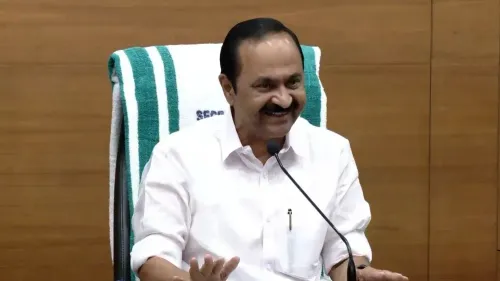
Transport Minister C.P. John on Tuesday welcomed the initiative, calling it a compelling example of public institutions being strengthened through community participation. He said the government is actively considering a formal proposal to allow cooperative societies to channel their public welfare funds toward KSRTC support, with a decision expected shortly.
John also called upon other cooperative organisations, local self-government institutions, and elected representatives to replicate the model, asserting that 'public support would remain the biggest strength in protecting the State's public transport system.'
Connectivity and Tourism Impact
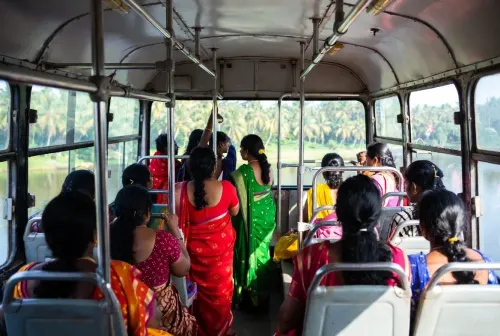
The proposed bus service is expected to ease commuting difficulties for residents of Muthalamada and neighbouring areas, while also improving access to Parambikulam, one of Kerala's significant wildlife and tourism destinations. Better connectivity to the region has been a long-pending demand from local communities and tourism stakeholders alike.
KSRTC's Bigger Challenge
The initiative arrives as KSRTC battles financial stress and an ageing fleet. The state government has set a target of deploying 2,000 new buses, and Minister John indicated that community-driven contributions could meaningfully support that goal. This model — where cooperative societies, local bodies, and people's representatives become active stakeholders in public transport — represents a structural shift in how KSRTC's expansion could be funded. Notably, this is believed to be the first time a cooperative society in Kerala has used its welfare fund specifically to procure a KSRTC bus.
If the government formalises the policy, it could unlock a decentralised funding stream for public transport at a time when state finances remain under pressure.
Point of View
And fleet modernisation targets have repeatedly slipped. What is new here is the funding model: a cooperative society deploying welfare funds to directly procure public transport assets. If the government formalises this, it is less a feel-good story and more a quiet admission that state finances alone cannot sustain the network. The risk is that community funding, while welcome, could also let governments off the hook for structural reforms — fare rationalisation, route efficiency, and workforce productivity — that KSRTC has deferred for decades.
NationPress
26 Sept 2026
Frequently Asked Questions
What did the Calicut City Service Cooperative Society do for KSRTC?
The Calicut City Service Cooperative Society used ₹40 lakh from its public welfare fund to purchase a new KSRTC bus, which will operate on the Kozhikode-Palakkad-Muthalamada-Parambikulam route. This is believed to be the first time a cooperative society in Kerala has funded a KSRTC bus directly.
Why was this bus service proposed for the Muthalamada route?
The proposal emerged from the travel difficulties faced by residents, passengers, and government employees commuting to the Muthalamada area. C.N. Vijayakrishnan, a local cancer institute chairman, took up the cause after observing these hardships firsthand.
Will the Kerala government allow more cooperatives to fund KSRTC?
Transport Minister C.P. John said the government is actively considering a formal policy to permit cooperative societies to use their public welfare funds for KSRTC support. A decision is expected shortly, according to the minister.
How does this initiative help KSRTC's fleet expansion target?
KSRTC is working toward adding 2,000 new buses to modernise its ageing fleet. Minister John indicated that community and cooperative contributions could supplement government efforts to reach that target faster.
What is the significance of the Parambikulam route for this bus service?
The new bus service is expected to improve connectivity to Parambikulam, one of Kerala's important wildlife and tourism destinations, while also easing daily commuting difficulties for residents of Muthalamada and surrounding areas.