What Happened When a Leopard Entered a CRPF Camp in Anantnag?
Synopsis
A leopard's unexpected intrusion into a CRPF camp in Anantnag, Jammu and Kashmir, left a trooper injured and sparked widespread panic. As wildlife encounters increase, the importance of addressing human-wildlife conflict becomes more critical. This article explores the implications of such incidents and the need for collaboration among various sectors to ensure safety and conservation.
Key Takeaways
Leopard attack injures a trooper in Anantnag.
Wildlife officials are working to relocate the animal.
Human-wildlife conflicts are on the rise in Kashmir.
Community awareness and collaboration are essential.
Understanding HWC can aid in developing solutions.
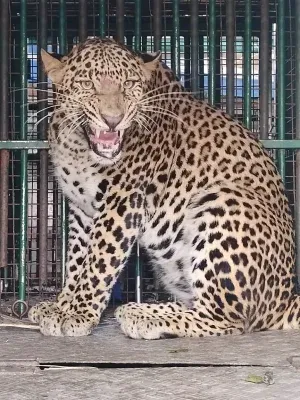
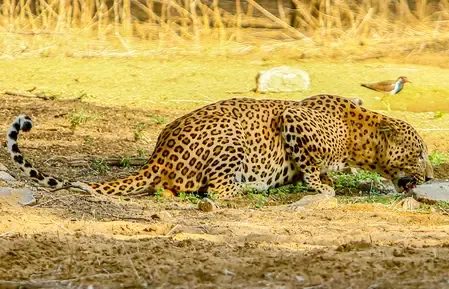
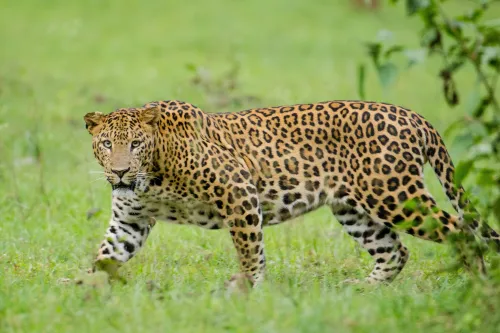
Srinagar, December 24 (NationPress) A leopard made its way into the CRPF camp on Wednesday in the Anantnag district of Jammu and Kashmir, resulting in injuries to a trooper stationed there.
According to officials, the wild animal caused a wave of panic upon entering the Kapran CRPF camp.
“Head constable Kamleshwar Kumar was hurt during the leopard's intrusion. He received immediate medical attention at a nearby primary health center and is currently stable, having returned to the camp,” the officials reported.
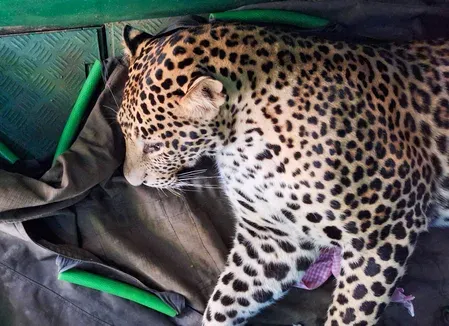
Field staff from the wildlife protection department have been summoned to safely relocate the leopard.
In a related incident, a leopard previously attacked a herd of sheep in a village in North Kashmir's Sopore, killing at least seven and injuring several others. This incident instilled fear among local villagers, prompting them to request the Wildlife Department to send teams and set up traps for the leopard to prevent further incidents. A team from the Wildlife Department has initiated operations to locate and capture the animal.
Earlier in September, an eight-year-old boy suffered injuries after being attacked by a leopard in the Chetragam region of South Kashmir's Shopian district.
The frequency of human-wildlife conflict (HWC) events has escalated alarmingly in the Valley over the past decade. There have been numerous reports of wild animals, including bears and leopards, invading villages, preying on livestock, and even attacking residents.
HWC entails negative interactions between humans and wildlife, leading to adverse effects for both parties involved, impacting human resources and wildlife habitats alike. This competition for natural resources influences food security for humans and affects the well-being of both humans and animals.
In many areas, these conflicts have surged in recent decades due to population growth and changes in land use. HWC poses a significant global challenge to sustainable development, food security, and conservation efforts in both urban and rural settings.
The repercussions of HWC typically include: destruction of crops, diminished agricultural productivity, competition for grazing areas and water resources, livestock predation, human injuries and fatalities, infrastructure damage, and heightened risk of disease transmission between wildlife and livestock.
At a national level, collaboration among various sectors such as forestry, wildlife, agriculture, and livestock is crucial.
Point of View
It is vital to acknowledge the increasing incidents of human-wildlife conflict, particularly in regions like Jammu and Kashmir. This situation necessitates a unified approach involving various sectors to mitigate risks for both people and wildlife. Collaboration is essential for sustainable solutions that ensure safety and preserve biodiversity.
NationPress
29 Sept 2026
Frequently Asked Questions
What caused the leopard to enter the CRPF camp?
The exact reason is unclear, but human encroachment and habitat loss often drive wildlife to urban areas in search of food.
What measures are being taken to relocate the leopard?
The wildlife protection department is deploying field staff to safely capture and relocate the leopard.
What should people do if they encounter a wild animal?
It's crucial to remain calm, avoid direct confrontation, and contact local wildlife authorities for assistance.
How can human-wildlife conflicts be minimized?
Efforts include implementing better land-use practices, community awareness programs, and creating wildlife corridors.
What are the implications of increased human-wildlife conflict?
Increased conflict can lead to threats to human safety, livestock loss, and challenges for wildlife conservation.